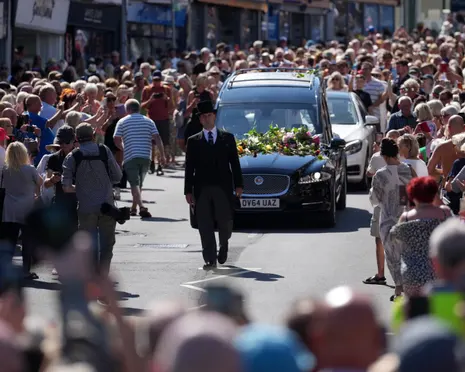
Thirty years after Tupac Shakur’s killing, can a murder trial offer justice?

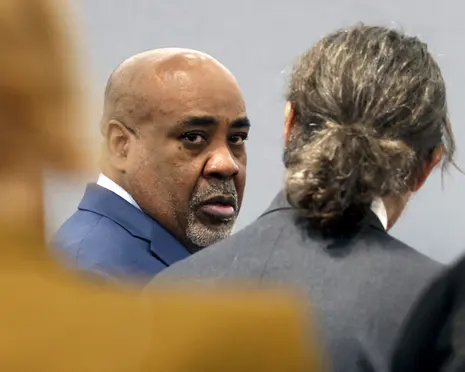
Table of Contents
Justice for Tupac: Duane Davis Trial Opens Thirty Years After Shakur’s Killing
Wanderstayfinder.com – Thirty years after Tupac Shakur’s tragic death, the music world is finally getting answers. What began as a devastating drive-by shooting near the Las Vegas Strip in September 1996 has reached a courtroom where Duane “Keffe D” Davis must face justice. The 63-year-old stands before a Nevada judge, charged with murder in connection with the ambush that ended one of hip-hop’s most iconic careers.
A Trial Decades in the Making
Opening statements are set to begin this Monday, bringing closure to a case that has haunted the Shakur family for generations. While this four-week proceeding may not definitively reveal who fired the fatal shots, it offers something equally valuable: accountability. Davis has pleaded not guilty, but a conviction means life imprisonment without parole.
The prosecution’s case rests heavily on an unexpected source: a 2019 memoir titled “Compton Street Legend.” In this book, Davis positioned himself as one of the last living witnesses to the shooting. Prosecutors argue this memoir provides crucial insight into the premeditated revenge plot that unfolded that September night.
The Night Everything Changed
According to Davis’s account, the chain of events began when his nephew Orlando “Baby Lane” Anderson confronted Shakur and his companions during a Las Vegas visit to watch Mike Tyson fight. This encounter, Davis claims, set off a series of retaliatory actions that culminated in violence.
Davis wrote in his memoir: “The next few seconds all happened so quickly. No words were exchanged, the time for talking had passed, the shit was on! Tupac made an erratic move and began to reach down beneath his seat. It was the first and only time in my life that I could relate to the police command to, ‘Keep your hands where I can see them.’ Instead, Pac pulled out a strap, and that’s when the fireworks started. One of my guys from the back seat grabbed the Glock and started bustin’ back.”
Davis brought a .40 caliber Glock into the vehicle where his associates waited. Though he didn’t claim to fire the fatal shots himself, he maintained he orchestrated the entire operation. Authorities believe either his nephew Orlando, who died in an unrelated shootout in 1998, or Deandre “Big Dre” Smith, who passed away in 2004, was the actual shooter.
Challenging the Memoir’s Truth
The defense has mounted a strong challenge against the memoir’s credibility. They argue that Davis and his co-author embellished key details to enhance their story. In court filings, attorneys compared Shakur’s murder to another famous unsolved assassination.
“Think of it this way: Shakur’s murder was essentially the entertainment world’s JFK assassination – endlessly dissected, mythologized, monetized – so it’s not hard to see why someone in Davis’s position might falsely place himself at the center of it all for personal gain,” his lawyers wrote.
Nevada Judge Carli Kierny rejected the defense’s motion to exclude the book from evidence. During a June hearing, she noted that Davis actively promoted the memoir as his own account and encouraged readers to purchase it for “the real truth.” This decision significantly strengthened the prosecution’s case.
Additional Evidence Supports Charges
Beyond the memoir, prosecutors plan to introduce police interviews Davis provided in 2008 and 2009. The book characterizes these conversations as an “exceptional deal” in which Davis received immunity from potential drug charges in exchange for his detailed testimony. The state contends that Davis’s earlier media appearances and the memoir’s publication of shooting details made these interviews admissible in court.
Shakur’s Enduring Legacy
Shakur’s life was marked by contradictions that continue to fascinate scholars and fans alike. He emerged as a frank chronicler of urban struggles for many listeners, while critics viewed his music as celebrating drug culture and gang warfare. Despite originating from the East Coast, he became an emblem of West Coast hip-hop through his association with Marion “Suge” Knight’s Death Row Records during their intense rivalry with Sean “Puffy” Combs’s Bad Boy Records.
Writer William Shaw, who interviewed Shakur in the mid-1990s, observed: “Tupac’s a great hero to a lot of people – part of his appeal is that he was so real, so honest, so passionate, and so flawed.”
Frequently Asked Questions
Who is Duane “Keffe D” Davis?
Duane Davis is a 63-year-old former Crips member from Compton who is currently facing murder charges in connection with Tupac Shakur’s 1996 shooting death in Las Vegas.
What evidence is being used against Davis?
The primary evidence includes Davis’s 2019 memoir “Compton Street Legend,” police interviews from 2008 and 2009, and his earlier media appearances discussing the shooting.
What is the potential sentence if convicted?
If convicted, Davis faces life imprisonment without the possibility of parole.
Who do authorities believe actually fired the fatal shots?
Authorities believe either Davis’s nephew Orlando “Baby Lane” Anderson, who died in 1998, or Deandre “Big Dre” Smith, who passed away in 2004, was the actual shooter.
Why is this trial significant thirty years later?
This trial represents one of the first serious attempts to hold someone accountable for Tupac’s murder, offering potential closure to the Shakur family and fans after three decades of unanswered questions.