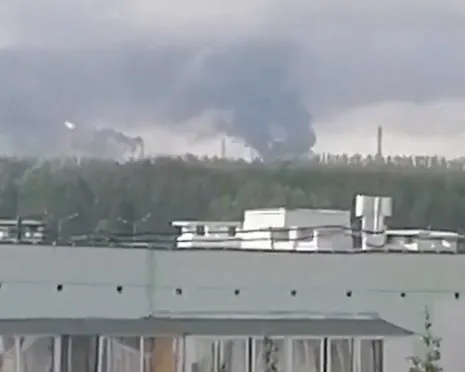
Travelling through Iran reveals mixed narratives about the US-Israel war

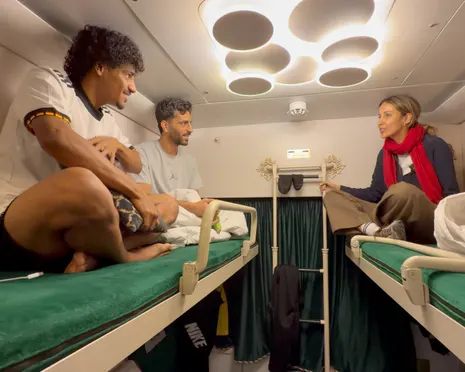
Table of Contents
A Nation Transformed: Iran’s Journey Through War and Resilience
Wanderstayfinder.com – The overnight rail service connecting Tehran to Bandar Abbas traverses nearly 900 miles of Iranian landscape, threading through mountain ranges, arid deserts, and past critical nuclear facilities at Natanz and Fordow before arriving at the strategic Hormuz Strait coastline. This journey through the heart of Iran has become something more than mere transportation—it is a passage through a country fundamentally altered by conflict.
Passengers aboard this extensive route represent the full spectrum of Iranian society: university students, professional athletes, business leaders, and families carrying personal narratives shaped by recent events. What began as anti-government demonstrations has evolved into something far more complex, as the nation navigates both internal pressures and external military confrontation.
The School That Became a Symbol
At the edge of Minab, a city celebrated for its date palms and vibrant Thursday markets, excavators continue their methodical work through shattered concrete and twisted steel. Shajareh Tayyebeh primary school stands as a haunting reminder of what occurred on the opening day of hostilities.
“You can’t call it a school any more,” said Amaineh Nademi, who taught first grade at the institution for six years. “There are only walls that smell of death, grief and blood.”
Among the debris, workers discovered something unexpected: a child’s exercise book with pages still bearing neat handwriting. The name on the cover read Mahya Salari. She was eight years old when a US-made Tomahawk missile struck the school, killing 156 people including 120 children according to Minab’s prosecutor’s office.
Mahya had been attending classes with her younger brother Ali. Their mother arrived to collect them moments before the explosion. All three perished together.
Voices from the Journey
Inside the train’s sleeper carriage, conversations flow between topics of daily life, yet political discussion carries particular weight. Azadeh, a lawyer traveling through this transformed landscape, reflected on the national character.
“It is in every Iranian’s nature to adapt,” she explained. “We tried to continue living our lives, to keep our routines and remain hopeful.”
When questioned about the widespread protests that preceded the conflict and the belief among many that war might catalyze political transformation, Azadeh offered a measured response, turning away from the conversation with quiet deliberation.
Sepideh, a beautician seated nearby, expressed more openly her conflicted feelings about her homeland.
“I love Iran,” she declared. “I love it so much. But when I see my youth slipping away and my dreams disappearing, I have no choice but to leave.”
Two young footballers returning home after the domestic league resumed following months of suspension shared their memories of the school attack.
“They attacked a school that was full of children,” Abdollah recalled. “They were seven, eight and nine years old. Our whole country was upset. The day of the funeral … everyone cried.”
A Nation’s Turning Point
The conflict began on February 28, when US President Donald Trump had encouraged Iranians to “seize control of your destiny.” Rather than triggering the regime change some anticipated, the war reshaped Iran in unexpected directions.
Before the missiles fell, the country had experienced years of escalating protests fueled by crippling sanctions, economic hardship, soaring inflation, and mounting frustration with leadership. Rights organizations documented tens of thousands killed and many more who vanished during the security crackdown, though exact figures remain contested.
For some Iranians who once believed international pressure might weaken their government, Minab became a definitive moment. The images of children’s portraits covering walls, shopfronts, and billboards transformed the city into one of the war’s most powerful symbols of civilian suffering.
Red Crescent responder Reza Besharati described how the morning of the attack remains vivid in his memory. “Even now,” he said, “I remember everything.”
The Pentagon has yet to provide comprehensive explanations regarding the bombing, which occurred during broader strikes on an adjacent military compound. As excavators continue clearing the site and workers search for the remains of a young boy still believed buried beneath the rubble, Minab stands as testament to a nation caught between hope and devastation, between the desire for change and the reality of war’s indiscriminate toll.
Related Reading
Frequently Asked Questions
What is Travelling through Iran reveals mixed narratives?
Travelling through Iran reveals mixed narratives is the main topic of this guide. The article explains the context, practical details, and next steps readers should understand.
Why does Travelling through Iran reveals mixed narratives matter?
Travelling through Iran reveals mixed narratives matters because readers are looking for a useful answer, not just a short summary. Good content should match search intent and help them decide what to do next.