US strikes a vessel in the eastern Pacific, killing 2 people in first attack in months

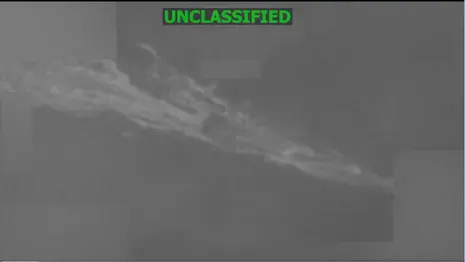
Table of Contents
US Strikes a Vessel in Eastern Pacific, Killing Two
Wanderstayfinder.com – When the US strikes a vessel in the eastern Pacific, the toll climbs again. On Monday, a SouthCom kinetic operation destroyed a small craft and killed two men the armed forces labeled drug traffickers. The incident is the newest chapter in a bombing campaign that has now run for nearly a year, claiming 223 lives across 67 separate boat attacks along Latin America’s Caribbean and Pacific shorelines. SouthCom described the target as a “low-profile vessel” moving through what it called established narco-trafficking corridors.
What SouthCom Said — and What It Withheld
The command’s announcement asserted that “confirmed intelligence” placed the boat in active narco-trafficking and that the strike eliminated two “narco-terrorists.” No cargo manifests, intercepted communications, or other documentary proof accompanied the statement. The only visual released was a pixelated black-and-white clip posted to SouthCom’s X account, showing the craft cutting through open water before a bright flash sent it under.
General Francis L Donovan, SouthCom’s commander, framed the single-boat action in sweeping strategic language:
“We are committed to imposing total systemic friction on narco-terrorists – disrupting their operations, dismantling their leadership andeliminating cartel terror across the region.”
He added that the strike was “a powerful demonstration of our lethal precision, overwhelming capability, and absolute resolve to protect the US homeland.”
A Year-Long Campaign and Its Human Cost
The aerial bombardment of small craft began in early September 2025 under the Trump administration, which brands the effort a campaign against “narco-terrorists” smuggling narcotics into the United States. SouthCom’s own tally credits the destruction of 64 speedboats, three low-profile ships, and one semisubmersible craft. Independent analyses, however, find no meaningful decline in drug flows since the campaign launched.
The survivor record is stark. SouthCom logged more than 20 search-and-rescue missions tied to the strikes, nearly all of which ended empty-handed. Data drawn from the command’s social-media posts show 28 survivors across the entire campaign, yet only three people were ever pulled from the water. One survivor from a March strike was handed to the Costa Rican Coast Guard; two wounded others were eventually repatriated to Ecuador and Colombia.
Legal Questions and the September 2025 Precedent
The campaign’s inaugural strike in September 2025 left two people alive in the water. A follow-up strike then killed both. When the sequence became public, members of Congress and international military-law scholars raised sharp objections. The White House defended the second shot as “self-defense” necessary to ensure the vessel was fully destroyed, asserting compliance with the laws of armed conflict.
The United Nations and several humanitarian organizations have condemned the broader pattern as extrajudicial killings, noting that no judicial process preceded or followed any of the operations. Critics also question whether the targeting criteria satisfy established international standards, particularly given that SouthCom has offered little public evidence the vessels were actually carrying narcotics at the moment of attack.
Expanding to Land and Questioning the Data
While maritime strikes continue, the administration is pushing force onto the ground. Defense Secretary Pete Hegseth told reporters during a Panama visit this month that Colombia, Guatemala, and Honduras had consented to joint US military operations against criminal organizations on their territory. Guatemala’s government subsequently denied any such agreement. Ecuador, meanwhile, had already launched parallel missions with American forces back in March.
The strategic rationale for focusing on Pacific routes has been challenged by the administration’s own data. A 2020 US Drug Enforcement Administration report found that 74 percent of the cocaine entering the United States arrived via Pacific routes, while only 8 percent came from fast boats operating out of coastal points. That gap between the data and the operational focus remains unexplained in SouthCom’s public briefings.
Frequently Asked Questions
How many people have been killed in the eastern Pacific boat-strike campaign? SouthCom’s tally stands at 223 deaths across 67 separate strikes since the campaign began in September 2025.
What evidence has been made public that the targeted vessels were carrying drugs? No cargo manifests, intercepted communications, or independent verification have been released. SouthCom has relied on its own intelligence assessments and a brief video clip.
Has the campaign reduced drug flows into the United States? Multiple independent analyses indicate that the volume of narcotics entering the country has not declined in any meaningful way since the strikes began.
What is SouthCom’s stated justification for continuing the strikes? Commander General Donovan describes the operations as imposing “total systemic friction” on narco-terrorist networks and protecting the US homeland.