Keir Starmer to Step Down as Prime Minister Two Years After Historic Election Victory
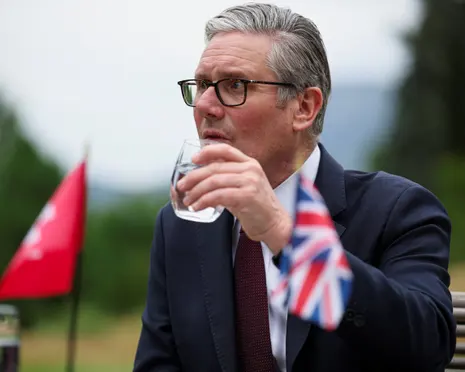
Wanderstayfinder.com – On June 22, 2026, Keir Starmer declared his intention to step down as prime minister following sustained pressure from within his Labour Party. The decision, made after days of internal debate and growing concerns among senior members, will allow Andy Burnham to take over at Downing Street. Starmer’s resignation marks the end of his tenure as leader of the Labour Party, which began with a dramatic election win just shy of two years prior.
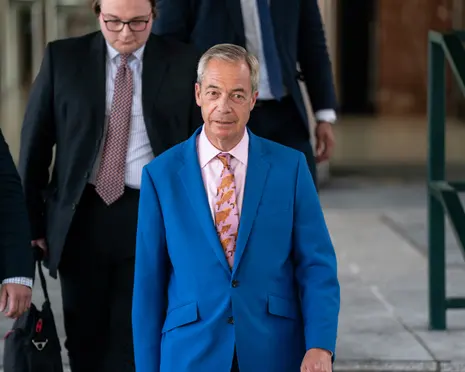
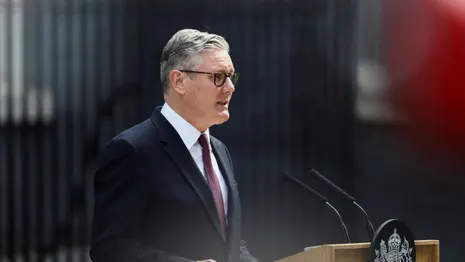
Less than two years since Labour’s landslide victory, Starmer faced mounting calls from his parliamentary colleagues to outline a timeline for his exit. Cabinet ministers, in particular, reportedly urged him to set a clear path for departure, citing anxieties about the looming threat from Nigel Farage’s Reform UK ahead of the next general election. The pressure came as Starmer’s leadership was scrutinized, with some MPs questioning his ability to navigate the political challenges that lay ahead. His resignation, announced in a speech at No. 10, has accelerated the process of selecting the UK’s seventh prime minister in a decade.
Andy Burnham, the former mayor of Greater Manchester, confirmed his candidacy for the Labour leadership, emphasizing the importance of a stable transition. “An orderly and responsible shift of power will ensure stability, seriousness, and a continued focus on the issues that matter most to the country,” Burnham stated. His bid for the leadership has already gained momentum, with his allies asserting that he holds the backing of over 200 MPs. The decision to run came swiftly after Starmer’s announcement, with Burnham’s team working to consolidate support ahead of the upcoming contest.
“The question my party is asking now is whether I am best placed to lead us into the next general election. I have heard the answer of my parliamentary party to that question, and I accept that answer with good grace. Every decision I have taken has been about putting the country I love first, that is why I will resign as leader of the Labour party.”
Starmer’s choice to step down was influenced by conversations with senior ministers and time spent with his wife, Victoria, at Chequers over the weekend. Although he had previously insisted on contesting for leadership, the weekend discussions shifted his perspective. More than a dozen cabinet ministers are believed to have privately advised him that his time as leader was nearing its end. By Saturday, Starmer and his inner circle had begun drafting his resignation speech, signaling the inevitability of his departure.
The prime minister outlined a process for the leadership contest, with nominations opening on July 9 and closing by the summer recess just a week later. He will remain in office until Parliament reconvenes in September, during which he will represent the UK at the NATO summit in early July. However, if no contest is held, Burnham could assume the role as early as July 16 or 17, aligning with the schedule for the EU reset summit on July 22. Key policy decisions, including the defence investment plan, are expected to be deferred until Burnham’s arrival, allowing for a focused transition.
Wes Streeting, the former health secretary who had resigned over Starmer’s leadership, also endorsed Burnham’s candidacy. Streeting’s support, though not fully explained, suggests a strategic alignment with the mayor’s vision. The former health secretary stated, “Having spoken at length with Andy in recent days, I’m convinced there is a place for him to lead the party forward.” While details of a potential deal between Streeting and Burnham remain unclear, the health secretary’s backing has bolstered Burnham’s chances of securing the leadership.
Burnham’s path to leadership has been bolstered by his recent victory in the Makerfield byelection, where he defeated Reform UK candidates. His confirmation as an MP on Monday afternoon has set the stage for a swift leadership contest. The 81-nomination threshold required to run for leadership is expected to be easily met, as Burnham’s allies highlight his broad support within the party. This development has intensified speculation about the direction Labour will take under his leadership, with his policy priorities anticipated to shape the party’s agenda.
Starmer’s resignation has been framed as a strategic move to ensure Labour’s continued success in the polls. In his speech, he stressed that his departure was driven by the need to prepare the party for the next election. “I will do everything I can to ensure an orderly handover of power,” he said. Despite earlier expressions of frustration toward Burnham’s ambitions, Starmer pledged full support for his successor, confident that the UK will inherit a more resilient and fairer nation than when he first took office.
The leadership transition has sparked debates about Labour’s internal dynamics and future strategy. Critics argue that Starmer’s resignation, while timely, reflects the growing influence of Reform UK in shaping political discourse. Meanwhile, supporters of Burnham highlight his experience in local government and his ability to connect with working-class voters. As the party gears up for a new chapter, the focus remains on maintaining unity and addressing the pressing issues facing the nation.
Burnham’s entry into the leadership race has also raised questions about the broader implications for Labour’s policies. His campaign is expected to emphasize economic stability, healthcare reform, and social welfare, areas where Starmer had previously made significant strides. With the upcoming EU summit serving as a critical test of the new government’s priorities, Burnham’s ability to navigate international relations will be closely watched. The timing of his transition, coinciding with major political events, underscores the urgency of the process.
Starmer’s decision to resign has been met with mixed reactions. While some MPs praised his dedication to the country, others questioned whether his departure would weaken Labour’s position in the face of rising Conservative strength. His focus on securing a second term, however, has been central to his rationale. “I will leave the party in a stronger position than I found it,” he said, reflecting on his two-year tenure. This sentiment resonates with many within the Labour Party, who see his leadership as a catalyst for broader reforms.
As the political landscape shifts, the transition from Starmer to Burnham is likely to be smooth, given the strong consensus among party members. The resignation process has also highlighted the importance of internal communication and coalition-building within Labour. With the next general election approaching, the party’s ability to maintain cohesion and deliver on its promises will be key to its success. Burnham’s leadership, if confirmed, is expected to be marked by pragmatism and a renewed emphasis on addressing the concerns of working families.
The leadership contest, set to begin in late July, will determine the party’s direction as it prepares for the challenges ahead. Starmer’s legacy as a leader who revitalized Labour’s image and secured a mandate will remain a point of discussion, even as the focus turns to Burnham’s vision. The coming weeks will be critical in shaping the party’s strategy and its ability to compete effectively in the next election. For now, the political spotlight shifts to the new leader, with the UK poised for a new era of governance.