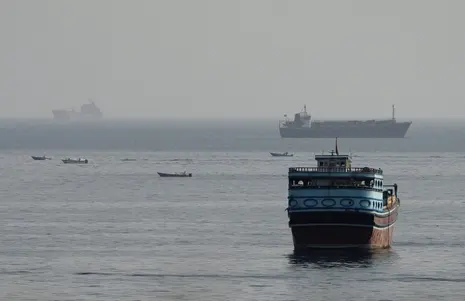
Strategic Waters: Tehran and Muscat Finalize Hormuz Passage Agreement
Wanderstayfinder.com – A significant diplomatic breakthrough has emerged from negotiations between Iran and Oman regarding maritime navigation through one of the world’s most critical chokepoints. The two nations have reportedly achieved consensus on the precise geographic coordinates that will define a dedicated shipping corridor within the Strait of Hormuz, marking what analysts describe as a pivotal moment in regional maritime diplomacy.
Esmaeil Baghaei, the spokesperson for Iran’s foreign ministry, confirmed on Wednesday that both governments are in the concluding phases of preparing a joint declaration. This announcement, however, carries an important caveat: the agreement remains contingent upon the absence of interference from external actors who have historically played influential roles in Gulf security arrangements.
What the Coordinates Mean for Maritime Navigation
The agreed-upon coordinates will establish a clearly defined pathway for commercial vessels transiting through the narrow waterway that connects the Persian Gulf with the Arabian Sea. Under the proposed framework, Tehran would exercise considerable authority over ships entering the gulf via this strategic passage. This arrangement represents one of the most substantial concessions Iran has received in recent diplomatic engagements, signaling a shift in how regional powers approach maritime governance.
The geographical parameters that have been settled encompass the specific latitudinal and longitudinal boundaries that will guide vessel movements. Baghaei characterized the ongoing discussions between Tehran and Muscat as professional in nature and noted that momentum continues to build. He emphasized that both parties have arrived at a shared comprehension regarding the spatial dimensions of the proposed route.
Security Concerns and Third-Party Dynamics
While the coordinate agreement represents progress, Iranian officials have been careful to manage expectations regarding immediate security improvements. Baghaei explicitly stated that the bilateral understanding alone would not automatically ensure safety in the strategically vital waterway. The presence of external powers remains a critical variable in determining whether the agreement translates into practical security benefits for commercial shipping.
The condition regarding third-party non-interference points to ongoing tensions with Western nations, particularly the United States, which has maintained a significant naval presence in the region. If these external actors choose to obstruct the process, the joint statement may require additional modifications before it can be officially released. The document, which contains the principal considerations and fundamental points of mutual understanding, is currently undergoing its final review and drafting stages.
Pushback Against Premature Optimism
Despite what appears to be meaningful progress toward accommodating Iranian demands, sources familiar with the negotiations have cautioned against declaring the matter fully resolved. A senior Iranian official, along with two regional sources, communicated with Reuters on Wednesday that several critical details remain to be settled before the agreement can be considered complete.
This measured response stands in contrast to assertions made by Donald Trump, who had suggested that a deal to reopen the strait was imminent. The sources indicated that while the coordinate agreement is significant, it represents only one component of a broader settlement that still requires comprehensive negotiation on multiple fronts.
Regional Implications and Historical Context
The Strait of Hormuz carries approximately one-fifth of the world’s seaborne oil trade, making any agreement concerning its navigation a matter of global economic significance. Oman has traditionally served as a neutral mediator in regional disputes, and its willingness to engage in substantive negotiations with Iran reflects the kingdom’s longstanding diplomatic approach.
The potential for this agreement to reshape maritime dynamics in the Persian Gulf cannot be overstated. If successfully implemented, the coordinated approach between Tehran and Muscat could reduce tensions and provide commercial operators with greater predictability in their shipping operations. However, the path forward remains contingent upon maintaining the momentum of negotiations and ensuring that external actors do not undermine the bilateral framework that has been established.
As the joint statement moves toward completion, all eyes will be on whether the final document captures the full scope of the understanding reached between the two nations and whether it includes mechanisms for addressing future disputes that may arise within the designated corridor.
“The two sides had reached a mutual understanding on the geographical parameters of the route under discussion,” Baghaei stated, describing the negotiations as professional and moving forward.
Baghaei further noted that if third parties do not obstruct the process, the joint statement between the two countries, containing the main considerations and key points of understanding, was in the final stages of review and drafting.
Related Reading
Frequently Asked Questions
What is Iran and Oman reach understanding on coordinates?
Iran and Oman reach understanding on coordinates is the main topic of this guide. The article explains the context, practical details, and next steps readers should understand.
Why does Iran and Oman reach understanding on coordinates matter?
Iran and Oman reach understanding on coordinates matters because readers are looking for a useful answer, not just a short summary. Good content should match search intent and help them decide what to do next.