The Unexpected Decline
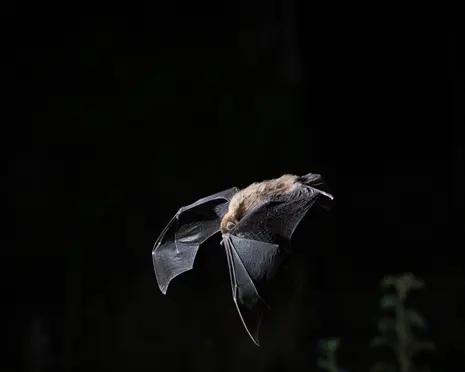
Wanderstayfinder.com – The population of an endangered Australian bat has experienced a sudden and significant drop, leaving scientists puzzled about the cause. Researchers documented approximately 5,000 fewer southern bent-wing bats than expected at Naracoorte’s renowned “bat cave” during this summer’s count. These diminutive russet-colored microbats spend their days roosting in caves and their nights foraging for insects across vast stretches of south-west Victoria and south-east South Australia. Throughout the warmer months, the Naracoorte cave in South Australia—recognized as one of three critical maternity sites for this species—houses the largest gathering of bats as they return to give birth and nurture their offspring.
Historical data reveals that over the past five years, the peak population at Naracoorte has averaged an impressive 28,600 adult bats. However, last summer witnessed a troubling decline of approximately 14 to 16 percent. “We’ve lost quite a lot of the adults,” explained bat ecologist Nicola Bail, who leads the species recovery team at Zoos Victoria. “We’re really not sure what the cause of this decline is, but it is really concerning, especially with so many threats operating in the range of the southern bent-wing bat.” Population monitoring at this world heritage-listed location stretches back to the 1960s, when counts recorded as many as 200,000 bats in a single season.
“The recent decline is a huge concern … The numbers are already quite low. So when you have a drop of 5,000 bats within a year, it’s really concerning that the species is being pushed towards extinction.”
What’s Causing the Drop?
Severe population reductions over recent decades have resulted in southern bent-wing bats being classified as one of Australia’s eight critically endangered mammals. Despite these challenges, the species persists. “They’re still hanging on. They’re a real little fighter,” noted Bail with optimism.
The recent decline carries potentially serious long-term consequences for the species. Southern bent-wing bats rely heavily on adult survival rates, according to Bail. These remarkable creatures can live up to 22 years, yet females produce only a single offspring each year. Associate professor Jasmin Hufschmid from the University of Melbourne described the bats as “gorgeous little creatures” that provide “invaluable” ecosystem services by controlling agricultural pests and disease-carrying insects. “They’re very important animals for us, but we just don’t really see it because they’re really small, they’re out at night,” said Hufschmid, who studies bat health but was not directly involved in the Naracoorte counts.
Scientists have identified several potential factors contributing to the decline. These include habitat clearing, prolonged drought conditions, reduced populations of flying insects that serve as the bats’ primary food source, and human disturbance at non-breeding caves. Many of these caves are situated on private land, making them particularly vulnerable to human activity. Additionally, a spokesperson for South Australia’s environment department highlighted that collisions with wind turbines and the potential introduction of white-nose syndrome—a disease not yet detected in Australia—pose ongoing risks to the species.
Conservation Efforts Underway
Cassie Hlava at the Limestone Coast Landscape Board is coordinating a federally funded initiative that engages landowners in habitat restoration. The project involves restoring caves and replanting corridors of native grasses and flowering plants. This work includes planting wattles, eucalypts, hakeas, and banksias—vegetation that attracts moths and provides additional food sources for the bats. Southern bent-wing bats are unique to this region, having inhabited the area for approximately 500,000 years. “We’d like to keep them in this landscape and we would like more people to get involved in habitat restoration on their properties to support the bats,” Hlava emphasized.
Frequently Asked Questions
How many southern bent-wing bats remain in Australia? While exact numbers fluctuate, the Naracoorte cave typically hosts around 28,600 adult bats during peak seasons. The recent decline of 5,000 individuals represents a significant portion of the total population.
What is white-nose syndrome and why is it a threat? White-nose syndrome is a fungal disease that has devastated bat populations in North America. Although not yet detected in Australia, its potential introduction could have catastrophic effects on southern bent-wing bats and other species.
How can the public help protect these bats? Supporting habitat restoration projects, reducing wind turbine collisions through proper siting, and minimizing human disturbance at cave sites are key ways to help. Landowners can participate in federally funded programs to restore local ecosystems.
Why are southern bent-wing bats important? These bats play a crucial role in controlling agricultural pests and disease-carrying insects. Their presence contributes to healthier ecosystems and reduced reliance on chemical pesticides.