Indonesia wildfires threaten orangutans rescued from animal traffickers

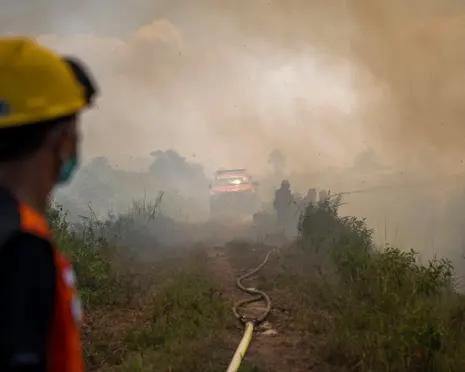
Table of Contents
Wildfires Erupt Across Indonesia, Endangering Orangutans Saved from Traffickers
Wanderstayfinder.com – Indonesia is confronting an unprecedented wave of wildfires that have reignited concerns for orangutans recently rescued from illegal wildlife trade operations. The archipelago has experienced a dramatic surge in forest fires over recent weeks, with the situation in West Kalimantan proving particularly critical. A powerful El Niño weather pattern, combined with ongoing human-driven climate change, has created dangerously hot, dry, and windy conditions across the region.
Statistical records reveal the severity of the current crisis. During the opening thirteen days of August alone, Indonesia documented more than triple the number of forest fire hotspots compared to the entire month of August in the previous year. This dramatic spike follows an already record-breaking period of blazes stretching from January through July, with West Kalimantan emerging as the epicentre of the devastation.
West Kalimantan’s Dry Spell Fuels Devastation
The western region of Kalimantan has endured an extraordinary forty-day period without rainfall, creating tinderbox conditions that have sparked dozens of severe fire outbreaks. The Yiari orangutan rehabilitation centre found itself directly in the path of these advancing flames. Within a matter of days, fire moved from approximately one kilometre away to within just one hundred metres of the facility’s perimeter, forcing emergency action.
Staff members at Yiari made the critical decision to relocate all sixty resident orangutans to secure enclosures positioned in the centre of the facility. This precautionary measure ensured the primates would be protected regardless of how the fire progressed. Indonesian authorities responded with aerial water-bombing operations to help contain the spreading blaze, while dedicated teams from the rehabilitation centre joined ground-level firefighting efforts as air quality deteriorated significantly.
A Relentless Fight for Survival
The intensity of the firefighting operations has been relentless, according to Dr. Karmele Llano Sánchez, the director of the Yiari centre. Her latest update provided insight into the exhausting efforts of her team:
We were fighting it until 3am, but this morning it has reignited. The teams are working round the clock but they are exhausted.
By Thursday evening, reports indicated that the situation had stabilized, with all animals confirmed safe. However, the Indonesian meteorological agency cautioned that the hot, dry conditions are expected to persist, potentially triggering additional fire outbreaks in the coming days and weeks.
Longer-Term Implications for Orangutan Conservation
Indonesian authorities have issued public appeals urging citizens to avoid setting fires and to maintain vigilance as the region approaches its traditional peak fire season, which typically occurs during September and October. The timing is particularly significant for orangutan populations, as these primates are highly vulnerable to habitat destruction and smoke inhalation.
The Yiari centre is currently seeking additional financial resources to acquire more firefighting equipment, recognizing that the threat extends beyond the current emergency. Earlier this year, the facility had already warned of escalating dangers when a fire originating from land clearing activities spread into one of its ecosystem restoration sites. This incident highlighted the compounding threats facing orangutan rehabilitation efforts in the region.
The intersection of climate change, wildlife trafficking, and habitat destruction presents a complex challenge for conservationists. Orangutans rescued from traffickers often arrive with compromised health and require stable environments for recovery. The current fire crisis threatens to undermine years of careful rehabilitation work, potentially forcing centres like Yiari to divert resources from long-term conservation programs to immediate emergency response.
West Kalimantan’s ecological significance extends beyond its orangutan population. The region contains vast tracts of tropical rainforest that serve as critical carbon sinks and biodiversity hotspots. The current fires not only endanger primates but also contribute to global carbon emissions and disrupt local ecosystems that have taken millennia to develop.
As the fire season continues to unfold, the resilience of both wildlife and human communities will be tested. The success of ongoing firefighting efforts, combined with public awareness and preventive measures, will determine whether this crisis becomes another chapter in Indonesia’s environmental challenges or a catalyst for more comprehensive conservation strategies in the years ahead.
Related Reading
Frequently Asked Questions
What is Indonesia wildfires threaten orangutans rescued?
Indonesia wildfires threaten orangutans rescued is the main topic of this guide. The article explains the context, practical details, and next steps readers should understand.
Why does Indonesia wildfires threaten orangutans rescued matter?
Indonesia wildfires threaten orangutans rescued matters because readers are looking for a useful answer, not just a short summary. Good content should match search intent and help them decide what to do next.