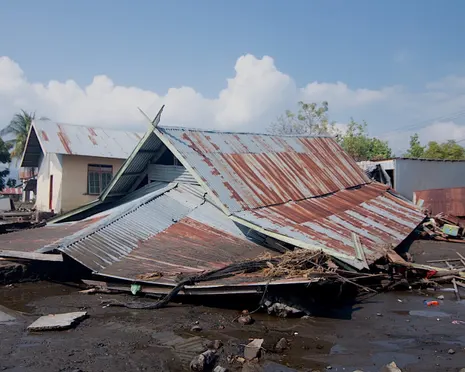
Greek wildfire kills two people as aircraft deployed to blaze at Belgian nature reserve

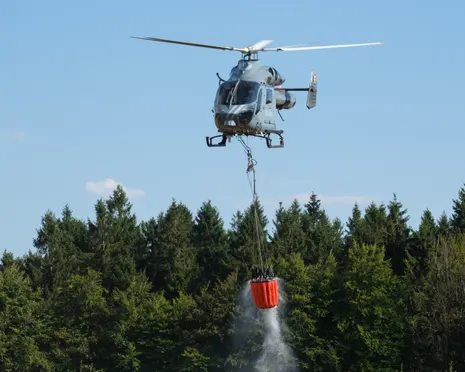
Table of Contents
European Wildfire Crisis Deepens as Greek Island Deaths and Belgium’s Largest Modern Blaze Simultaneously Strain Emergency Services
Wanderstayfinder.com – A sweeping wave of fire across southern and central Europe has claimed at least three lives in the past 48 hours, forced tens of thousands from their homes, and pushed firefighting resources to their limits. On Sunday, two bodies were pulled from the Peristeria beach area on Salamis, a densely populated island just off Athens’ western shore, after twin blazes erupted across its landscape. In Belgium, meanwhile, a fire that ignited Friday in the High Fens nature reserve had consumed roughly 3,000 hectares (7,400 acres) of peatland and forest by early Sunday morning, pressing toward the German frontier and triggering evacuations of approximately 600 residents in the municipalities of Waimes and Bütgenbach within Liège province.
Salamis: Two Fatalities, Hundreds Ordered Out
The Greek island’s fire department confirmed to Agence France-Presse that two victims were recovered from the Peristeria beach zone on Sunday following the outbreak of two separate fires. Hundreds of islanders received evacuation orders as flames spread through residential and vegetated areas. The deaths bring the toll from this latest European wildfire episode to at least three, including one person killed Friday when a fire swept through homes in a Croatian holiday resort, injuring 40 more and compelling 1,200 residents and visitors to flee.
Belgium’s High Fens: A Century-Old Nightmare Returns
The Belgian blaze is being described by officials as the largest wildfire in the country’s modern history. It began Friday in a stretch of the High Fens — one of Europe’s last remaining raised bogs, a vast mosaic of dense woodland, waterlogged peat, and narrow wooden boardwalks that draws thousands of hikers each summer. By Sunday morning the fire had advanced to within sight of the German border.
The terrain presents extraordinary challenges for ground crews. Heavy firefighting trucks risk sinking into the soft peat substrate, and the raised walkways limit vehicle access to most sections of the reserve. That constraint has made aerial suppression indispensable. Two water-bombing aircraft dispatched from Sweden and four helicopters — two Belgian, two Dutch — have been working continuous sorties over the burn area. On Sunday, authorities closed access to Lake Bütgenbach so that aircrews could refill their tanks without interference.
On the ground, more than 250 firefighters and emergency personnel were engaged in containment operations, including detachments sent from Germany, according to Hervé Jamar, governor of Liège province. Local farmers joined the effort as well, driving tractors to shuttle water from Lake Robertville toward active fronts where conventional apparatus could not reach.
Of the roughly 600 residents told on Saturday to leave their homes in Waimes and Bütgenbach, about 20 took shelter overnight in a municipal sports hall; the remainder stayed with relatives or neighbours. Tourists still in the area were urged to depart as shifting winds carried smoke across populated zones.
Containment Gains, but Conditions Remain Severe
Belgium’s interior minister, Bernard Quintin, visited the crisis coordination centre in Vottem on Sunday afternoon and reported that two fire fronts advancing toward Jalhay and Monschau had been brought under control. He acknowledged, however, that overall conditions remained demanding.
“On this third day of fighting the fires, all resources remain mobilised on the ground,” Quintin wrote on X. “We can also count on the solidarity of our European partners … Thank you to everyone who mobilised to fight the fires. United, we are stronger.”
The irony of the location is not lost on local historians. The same sector of the High Fens was devastated by catastrophic wildfires in 1911 during a severe drought, an event that reshaped land-management policy in the region for decades. A century later, the peat and timber that survived that earlier catastrophe are again fueling a fire of comparable scale.
A Continent Under Fire
The simultaneous outbreaks across Greece, Belgium, Croatia, western Germany, south-west France, and Spain reflect what meteorologists describe as a new phase of sustained extreme heat gripping much of Europe. The European Commission warned that pockets of “very extreme” wildfire conditions stretched across the continent at the same time, creating an unprecedented operational burden on national fire services.
In western Germany and south-west France, hundreds more residents were evacuated from villages threatened by advancing flames. Greek coastguards rescued stranded holidaymakers from beaches where fires had closed escape routes, while in Spain the army was called in to recover historical relics from buildings consumed by fire.
Scientists note that anthropogenic climate change is intensifying the frequency and severity of these events. Longer heatwaves dry out peatlands and forest understories weeks earlier than in previous decades, extending the seasonal window during which a single spark — from lightning, a power line, or human activity — can ignite a fire that grows faster than ground crews can contain it. The High Fens’ fragile ecosystem, already stressed by rising temperatures and reduced rainfall, is particularly vulnerable: once peat ignites below the surface, it can smoulder for weeks and reignite after apparent extinguishment, making full suppression far more difficult than a conventional forest fire.
As European nations coordinate cross-border air support and share tactical intelligence in real time, the question facing policymakers is no longer whether such multi-country wildfire events will recur, but how quickly infrastructure, insurance frameworks, and evacuation planning can adapt to a climate in which the old seasonal calendar no longer applies.
Related Reading
Frequently Asked Questions
What is Greek wildfire kills two people as aircraft?
Greek wildfire kills two people as aircraft is the main topic of this guide. The article explains the context, practical details, and next steps readers should understand.
Why does Greek wildfire kills two people as aircraft matter?
Greek wildfire kills two people as aircraft matters because readers are looking for a useful answer, not just a short summary. Good content should match search intent and help them decide what to do next.