Washington Cuts Diplomatic Ties with Brasília Over Ambassador Dispute
Wanderstayfinder.com – The United States has taken a significant diplomatic step by revoking the visa of Brazil’s ambassador to Washington, marking a sharp deterioration in relations between the two nations. The decision comes amid growing tensions between the Trump administration and Brazilian President Luiz Inácio Lula da Silva, whose governments have increasingly clashed over trade, regional politics, and electoral matters.
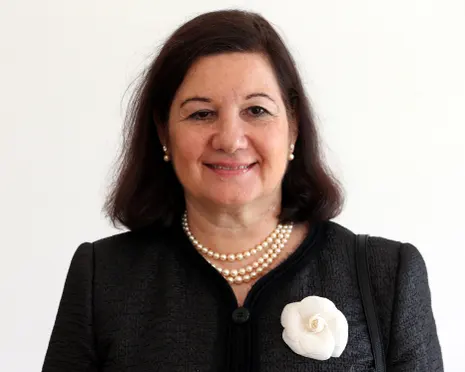
Maria Luiza Ribeiro Viotti, a former senior United Nations official, found her visa cancelled as part of what Washington described as a reciprocal response to Brazil’s actions. The State Department cited two primary reasons for the move: Brazil’s refusal to approve President Trump’s nominee for ambassador in Brasília, and a recent decision to deny visas to two American diplomats who were preparing for an October visit ahead of Brazil’s crucial election.
A Growing Diplomatic Row
While the Trump administration stopped short of formally expelling Viotti from the country, officials made clear that additional measures could follow if Brasília continues to withhold its approval for Daniel Perez. The Florida Republican, who serves as a close ally of US Secretary of State Marco Rubio, has been nominated to represent American interests in Brazil but faces resistance from the Brazilian government.
“We communicated continually with the Brazilian government for weeks and have given the Brazilian government every opportunity to do the right thing, yet they have continually delayed and obfuscated,” a State Department spokesperson explained.
The ambassador’s visa may be restored should Brazil accept Perez’s appointment. The diplomatic mechanism at play is straightforward: if Viotti departs the United States, she would need to submit a new visa application to return.
Election Interference Concerns
The dispute has become deeply intertwined with Brazil’s increasingly contentious presidential election. Lula, now 80 years old, is pursuing a fourth non-consecutive term in office, facing opposition from Senator Flávio Bolsonaro. The younger Bolsonaro is the son of former president Jair Bolsonaro and maintains a close political relationship with Donald Trump.
“Today’s decision is not an isolated incident. It is part of a deliberate escalation of hostile measures against Brazil, motivated by ideological reasons,” Lula’s office stated in response to the visa revocation.
Brasília quickly characterized the American action as part of a coordinated effort to influence the outcome of Brazil’s election. The Brazilian government also accused the United States of violating diplomatic protocols by announcing Perez’s nomination before formally seeking Brasília’s consent for the appointment.
According to Brazilian officials, their consideration of the nomination remains ongoing. They emphasized that no final decision would be reached before the first round of voting scheduled for October 4.
Trade and Sovereignty Tensions
Economic pressures have further complicated the relationship between the two nations. The Trump administration has implemented tariffs reaching 37.5 percent on thousands of Brazilian exports, citing what it describes as unfair trade practices and inadequate measures to prevent forced labor in Brazilian industries.
The diplomatic confrontation also touches on sensitive domestic issues in Brazil. Jair Bolsonaro and his supporters have long alleged, though without conclusive evidence, that Brazil’s electronic voting system is susceptible to fraud. These claims contributed to Bolsonaro being barred from running for office and led to his conviction regarding a plot to overturn his 2022 election defeat.
When Brazil denied visas to Riley Barnes, the assistant secretary of state for democracy, human rights and labor, and one of his senior aides, Washington characterized the planned July 27-30 visit as routine. The American officials intended to meet with government representatives, religious leaders, and other stakeholders regarding election integrity, religious freedom, and freedom of expression.
“Any insinuation of a ‘ploy’ to undermine a democratic nation’s election is a baseless lie,” the State Department declared at the time.
Brasília maintained its position, asserting that the American officials sought to cast doubt on Brazil’s electronic voting system in what it termed an unacceptable attempt to interfere in the national political process.
Broader Geopolitical Context
This latest confrontation represents the most recent in a series of disagreements between Trump and Lula. Their administrations have diverged significantly on Latin American politics, the situations in Venezuela and Cuba, and the broader role of the United States in the region.
President Trump has consistently intervened in political contests throughout Latin America, while Lula has elevated national sovereignty to a central theme of his re-election campaign. The Brazilian president has attributed some of the administration’s actions against his government to Rubio, though he has attempted to avoid direct personal conflict with Trump and has noted that the two leaders established a positive rapport during their initial meeting.
“President Trump has the right to determine who represents the American people and interests around the world,” the State Department affirmed. “We reject any effort by foreign countries to interfere in our domestic processes.”
The diplomatic standoff highlights the complex interplay between trade policy, electoral politics, and sovereign decision-making in contemporary international relations. As both nations navigate these challenges, the outcome could reshape bilateral relations for years to come.
Related Reading
Frequently Asked Questions
What is US revokes Brazil ambassador s visa?
US revokes Brazil ambassador s visa is the main topic of this guide. The article explains the context, practical details, and next steps readers should understand.
Why does US revokes Brazil ambassador s visa matter?
US revokes Brazil ambassador s visa matters because readers are looking for a useful answer, not just a short summary. Good content should match search intent and help them decide what to do next.