Revolt in Small Georgia Town Appears to Ward Off ICE Detention Center
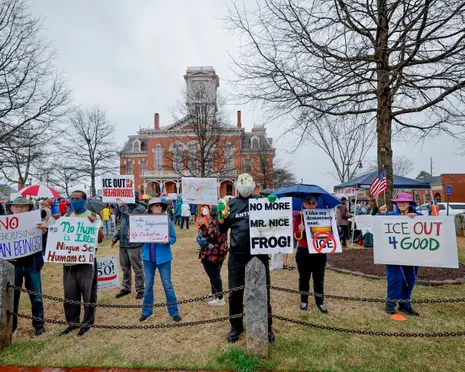
Wanderstayfinder.com – In a surprising development, the rural Georgia town of Social Circle has become a focal point in the fight against federal immigration detention plans. The Department of Homeland Security (DHS) has reportedly abandoned its proposal to convert a local warehouse into one of the nation’s largest immigration detention centers, marking the seventh such reversal nationwide under the Trump administration. This decision, announced in late June 2026, follows months of escalating opposition from residents, local leaders, and advocacy groups. The cancellation has sparked hope in the community, which has long feared the environmental and social consequences of housing thousands of detainees in their area.
A National Trend of Reversals
The shift in DHS plans aligns with broader changes in the agency’s strategy under new director Markwayne Mullin. Previously, the administration had invested over $1 billion in purchasing warehouses to expand detention capacity, a move that drew criticism for its rapid pace and lack of community consultation. However, Mullin has since directed a more measured approach, leading to the cancellation of several projects. Social Circle’s case, while local in scale, is emblematic of this nationwide trend, which has seen opposition groups successfully challenge federal plans in multiple states.
The Social Circle warehouse, purchased in early February 2026 for $128 million, was a prime example of the financial gamble involved. City manager Eric Taylor noted that the price nearly quintupled the property’s assessed value of $29 million from the previous year. “The federal government paid more than we ever expected,” Taylor said, highlighting the perceived overpayment as a key point of contention. The purchase, initially seen as a strategic move to secure detention space, has now become a symbol of the growing tensions between federal policy and local concerns.
Local Strains and Community Resistance
The proposed detention center would have dramatically altered the town’s demographic landscape, housing up to 10,000 individuals in a space that currently serves as a storage facility. This would have more than tripled the local population, placing unprecedented pressure on essential services such as water supply, sewage systems, and emergency response. While the county’s voting patterns leaned heavily toward the Trump campaign, the residents of Social Circle, many of whom live in 19th-century buildings and operate horse and cattle farms, have taken a defiant stand against the plan.
The controversy gained momentum in February when Taylor, the city manager, abruptly shut off the federal government’s access to water at the warehouse. This action, which the Guardian reported first, was a dramatic move that underscored the town’s determination. Taylor’s decision to cut off water supply was not just symbolic; it directly impacted the DHS’s ability to prepare for the facility’s construction. The move also drew attention from national and international media, with reporters from France and Japan seeking interviews about the small town’s role in the broader immigration debate.
“I never thought I’d have to deal with anything of this magnitude,” Taylor admitted. “It’s amazing the focus on this small town, just minding its own business.”
Local leaders, including Taylor, have consistently criticized the federal government for its lack of responsiveness. Despite the warehouse being located in a county where 75% of voters supported Trump, the community’s opposition has grown steadily, fueled by concerns about the center’s impact on public infrastructure and daily life. The town’s efforts have also drawn support from organizations like Indivisible Boldly Blue and Indivisible GA 10, which have mobilized to amplify the voices of Social Circle’s residents.
A Novel Legal Strategy
As the opposition intensified, Social Circle became the first small town to sue the federal government over the detention center plans. The lawsuit introduced a unique legal angle, focusing on provisions that differed from previous cases. Legal experts noted that this approach could set a precedent for future challenges, particularly in areas where federal projects intersect with local governance. The move signaled a shift from grassroots protests to formal legal action, reflecting the community’s resolve to hold the government accountable.
By late May, Taylor began receiving whispers that the DHS might withdraw from Social Circle. These rumors were soon confirmed by sources within the agency and by U.S. Representative Mike Collins, who had been actively involved in the dispute. Despite the confirmation, Taylor opted to wait for an official statement before making the announcement public. “We wanted to see if we could get it in writing,” he explained, revealing the town’s cautious yet determined stance.
“At this point, we’re not sure anyone’s going to put it in writing,” Taylor said. “From the very beginning, this is how this whole thing has evolved … we’ve had to piecemeal what the situation is.”
The lack of a formal response from the DHS has left residents in limbo. While the cancellation of the project brings relief, questions remain about the future of the warehouse. Will it be offered to another federal agency, or will the Trump administration attempt to sell it to a private buyer? Taylor expressed a preference for the latter, as the federal government does not pay taxes on the property. Former owners of the warehouse, the PNK Group, had paid approximately $300,000 in taxes the previous year, a fact that Taylor cited as evidence of the financial burden the federal government’s ownership could impose.
Uncertainty and Resilience
Even as the cancellation was announced, the town’s leaders remain vigilant. Taylor emphasized that the community hopes the DHS will communicate more effectively with local stakeholders in the future. “Hopefully they’ve learned their lesson here and communicate with us from the very beginning,” he said. The experience has highlighted the importance of transparency and collaboration in large-scale projects, especially those that affect small towns with limited resources.
The story of Social Circle’s resistance underscores a growing trend of local communities challenging federal immigration policies. While the outcome in this case remains positive, the town’s journey has demonstrated the power of grassroots activism in shaping national agendas. As the DHS continues to adjust its plans, the lessons from Social Circle may influence similar efforts in other regions, ensuring that the voices of smaller towns are not overlooked in the debate over immigration detention. For now, residents of Social Circle are celebrating the cancellation, though they remain watchful for any potential attempts to reclaim the warehouse or implement alternative plans.