Children make up half of mpox cases in Guinea-Bissau as epidemic spreads

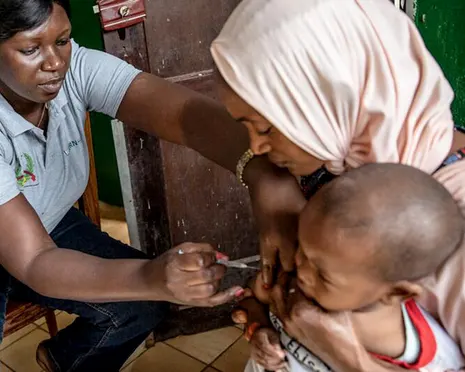
Table of Contents
Guinea-Bissau’s Mpox Outbreak Disproportionately Strikes Its Youngest Citizens
Wanderstayfinder.com – Two months after Guinea-Bissau formally declared a national mpox epidemic, authorities have revealed that children account for more than half of all reported infections. Of the 46 suspected and seven confirmed cases logged since the outbreak was announced, sixteen patients are under the age of four. The finding underscores how quickly a virus transmitted through close physical contact can reach the most vulnerable members of a community, particularly in settings where household density is high and paediatric healthcare access remains limited.
The epidemic was officially declared on 4 July, following the confirmation of a 27-year-old woman as the country’s first known mpox case just over a week earlier. Since that initial detection, the virus has continued to circulate in low numbers but with persistent, intermittent new appearances — a pattern that signals ongoing community transmission rather than a contained cluster.
A Fragile Surveillance Landscape
Unicef issued a statement on Thursday cautioning that Guinea-Bissau’s health surveillance infrastructure is too weak to reliably track every infection. In practical terms, this means the true scale of spread is likely larger than official tallies suggest, and additional children may already be exposed without clinical detection. Sandra Martins, the organisation’s deputy representative for the country, framed the situation in stark terms:
“This is the first time mpox cases have been reported in Guinea-Bissau, making even a small outbreak a major public health event.”
The warning carries particular weight given that mpox — a viral illness spread through direct skin-to-skin contact, respiratory droplets, and contaminated materials — has already claimed more than 2,000 lives across east, central, and west Africa since January 2024, with tens of thousands of recorded cases in that period. Guinea-Bissau’s experience, while numerically modest so far, sits within a regional epidemic that shows no sign of abating.
Cross-Border Risk and Geographic Concentration
Health workers have noted that the viral clades circulating in Guinea-Bissau match strains already moving through neighbouring countries. That alignment keeps the threat of cross-border introduction alive, meaning the outbreak could receive fresh waves of infection from adjacent territories at any time. Geographically, the vast majority of confirmed cases are concentrated in the Bissau autonomous sector, where the capital sits, with a single additional case recorded in the nearby Biombo area. No deaths have been reported to date, though officials caution that the absence of fatalities so far does not guarantee continued safety as case numbers grow.
Systemic Strain and Political Aftermath
The outbreak is unfolding against a backdrop of acute institutional stress. The military, which suspended last November’s presidential election and has retained power since, continues to govern amid infrastructure shortfalls. On the very day Unicef issued its warning, Bissau experienced a full-day electricity blackout attributed to petrol scarcity that had persisted since the preceding weekend. Such disruptions complicate cold-chain vaccine storage, laboratory sample transport, and basic clinic operations — all of which are prerequisites for effective outbreak management.
Dr Magda Robalo, who served as health minister and led the country’s response to the SARS-CoV-2 pandemic, identified the core challenge plainly. She is also co-founder of the Institute for Global Health and Development and formerly directed the communicable-diseases programme at the World Health Organization. Speaking on the current situation, she said:
“Even though the numbers are small, new cases have appeared intermittently over several weeks, which means transmission is ongoing.”
Robalo stressed that eliminating what she called the “biggest gaps in the health system right now” demands that surveillance be elevated to top priority and that frontline staffing and diagnostic capacity be reinforced before the next wave arrives.
Grassroots Response and the September School Reopening
Immediately after the outbreak declaration, community health workers launched a door-to-door awareness campaign across affected neighbourhoods, using megaphones and translated leaflets to explain transmission routes, symptoms to watch for, and where to seek care. The effort is backed by the national health ministry and international agencies, and officials regard these grassroots initiatives as essential for building public trust in a sector that residents may already view with scepticism.
That trust will be tested within weeks. Primary schools across the country are scheduled to reopen in September, bringing thousands of children back into dense, shared environments at precisely the moment transmission indicators remain active. The paediatric concentration already visible in case data makes the timing of that reopening a matter of urgent public-health calculation.
Regional Laboratory Capacity and Broader Sensitivities
Many public health laboratories throughout the region operate with limited equipment for epidemic-scale diagnostics, yet they retain institutional knowledge accumulated through successive crises. Guinea-Bissau’s facilities are no exception, though the urgency here is compounded by the sheer novelty of mpox in the country. Earlier this year, the government suspended a controversial US-funded trial of hepatitis B vaccination for newborns, citing ethical concerns and procedural shortcomings. That decision was widely praised across the continent and sharpened public awareness of how emergency health interventions intersect with national sovereignty and community consent — sensitivities that now shape how authorities communicate about mpox containment measures.
As the epidemic enters its second month, the central question for Guinea-Bissau is not whether the virus will continue to circulate — the intermittent case pattern already answers that — but whether the country can close its surveillance and response gaps quickly enough to protect the children who, by every available metric, are bearing the heaviest share of the burden.
Related Reading
Frequently Asked Questions
What is Children make up half of mpox?
Children make up half of mpox is the main topic of this guide. The article explains the context, practical details, and next steps readers should understand.
Why does Children make up half of mpox matter?
Children make up half of mpox matters because readers are looking for a useful answer, not just a short summary. Good content should match search intent and help them decide what to do next.