Bologna’s Niche Film Festival Honors Forgotten Classics in Streaming Age
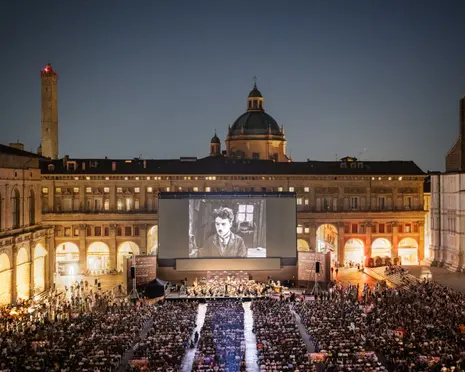
Wanderstayfinder.com – Il Cinema Ritrovato, Bologna’s niche festival of forgotten films, has become a vibrant cultural event for cinema lovers in the streaming era. As the sun sets over Bologna’s historic streets, the city transforms into a hub for rediscovering cinematic gems that have long been overlooked. For nine days, the festival presents a curated collection of films, some dating back over a century, offering a refreshing contrast to the instant gratification of modern streaming. This year’s lineup includes silent-era masterpieces, rediscovered works, and rare screenings, highlighting how the festival continues to thrive amid digital convenience.
From Local Roots to Global Influence
The festival’s origins trace back to 1986, when Gian Luca Farinelli and his friends Michele Canosa and Nicola Mazzanti sought to revive forgotten films. Their vision was inspired by Bologna’s Cineteca, a film archive founded in 1963 that preserved works ignored by mainstream cinema. By showcasing films lost to time or censorship, they aimed to reconnect audiences with cinematic history. The first edition, held at the Cineteca’s Lumière cinema, coincided with another film festival, creating a platform for both restoration and celebration of overlooked films.
Farinelli’s efforts initially focused on small gatherings, but the festival’s reputation grew steadily. A pivotal moment came in 1995 when Il Cinema Ritrovato shifted its schedule to summer, increasing accessibility and visibility. This change, Farinelli noted, “made our work much better known.” The festival attracted not only classic film enthusiasts but also international stars like Martin Scorsese and Wes Anderson, solidifying its status as a global event for cinematic rediscovery.
As streaming platforms dominate the film landscape, Bologna’s niche festival of forgotten films has carved a unique niche. It appeals to viewers who crave depth over speed, offering a chance to experience timeless stories and techniques. The event also fosters community, as attendees gather in public spaces to watch films collectively—something digital services struggle to replicate. Farinelli’s insight, “For younger people, cinema of the past is a great surprise,” underscores the festival’s ability to bridge generational gaps in appreciation for film history.
Rediscovering Lost Masterpieces
This year’s programming includes over 500 films, spanning eras and genres. A standout is *A Spring for the Thirsty*, a 1965 surrealist work by Yuri Ilyenko, long censored for its ideological defiance. After a painstaking restoration by Fixafilm and the Dovženko Studio in Kyiv, the film will debut at the festival, offering audiences a rare opportunity to witness its original brilliance. Farinelli described the experience as “shocking,” emphasizing how such rediscoveries captivate viewers in the streaming age.
Another highlight is the restored version of Luchino Visconti’s *Il Gattopardo*, a testament to the festival’s commitment to preserving cinematic legacies. These screenings, often accompanied by historical context and expert commentary, deepen appreciation for overlooked works. By spotlighting films that have faded from mainstream memory, Il Cinema Ritrovato ensures that Bologna’s niche festival of forgotten films remains relevant and inspiring to new generations of filmgoers.
Farinelli has observed a significant shift in the festival’s audience. While it once attracted seasoned cinephiles, it now draws a younger demographic eager to explore the past. “They know streaming platforms and series, but in Bologna, they discover cinema’s long history,” he explained. This trend reflects a growing curiosity among younger viewers, who are finding value in the depth and artistry of forgotten films. The festival’s ability to engage this new audience highlights its role as a cultural bridge between eras.
“For younger people, cinema of the past is a great surprise. They know streaming platforms and all the series, but in Bologna, they discover that cinema has a long history,” Farinelli remarked.