People fleeing Sudan civil war face ‘dire and deteriorating’ conditions in refuge city


Table of Contents
People Fleeing Sudan Civil War Face Dire Conditions
Wanderstayfinder.com – People fleeing Sudan civil war face conditions that humanitarian workers describe as “dire and deteriorating” in El Obeid, the capital of North Kordofan province. Thousands of civilians arrive daily on foot, carrying little beyond what they wear, into a city whose food supplies, water systems, and social networks are collapsing under the strain. The inflow stems from months of escalating fighting between the Sudanese Armed Forces (SAF) and the Rapid Support Forces (RSF), and those on the ground say the situation worsens with each passing day.
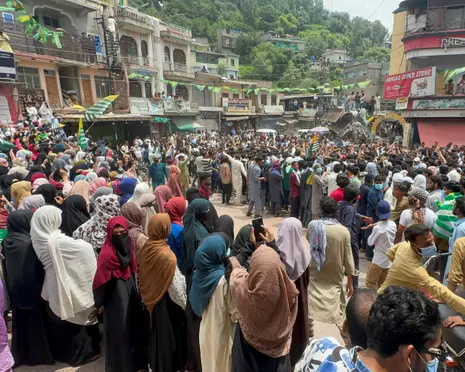
UN tallies show more than 15,000 families entered El Obeid between mid-July and late August. They join over 200,000 arrivals recorded in the first half of the year, according to Save the Children. Before the conflict tore through the country more than three years ago, the city housed roughly half a million residents. Today, tens of thousands of newcomers are packed into two large tented camps on the urban fringe, while others disperse into neighbourhoods already at capacity.
“The situation is very harsh and is deteriorating as El Obeid is receiving IDPs on a daily basis … The city is shockingly overcrowded,” said Maryam, a humanitarian volunteer whose name was changed for safety. “They also suffer from a shortage of food and they definitely arrive traumatised.”
Camp Expansion and Demographic Skew
Satellite imagery analysed by the Yale Humanitarian Research Lab shows the pace of growth: roughly 800 new tents appeared in one camp between 4 and 25 August. Paul Byars, Sudan country director for the Danish Refugee Council, was in El Obeid last week and counted 450 arrivals from surrounding villages in a single morning.
“The authorities’ estimates are correct, that 85% of them are women and children. Most of the men are staying behind because this is the only time for farming,” Byars explained.
That imbalance means the camps are dominated by mothers, daughters, and young children, with far fewer able-bodied adults to handle daily survival tasks. The men who remain face their own danger: surrounding districts are still active combat zones where both sides push through agricultural land.
Drones as the Dominant Weapon
The war that ignited in Khartoum—roughly 400 kilometres north-east—on 15 April 2023, born from a power struggle between the military and the RSF, has displaced an estimated 11.3 million people, more than a fifth of Sudan’s population. Death tolls remain contested, spanning tens of thousands to hundreds of thousands. In October 2025, after an 18-month siege, the RSF seized El Fasher in western Darfur and massacred more than 10,000 residents over two days. That event cast a long shadow over El Obeid, especially after a surge of RSF drone strikes in June prompted the UN to warn of a possible El Fasher repeat.
Strike frequency has since declined, and the SAF recaptured a critical northern road toward Khartoum in late July, partially easing the siege risk. Yet drones continue to kill and wound civilians, and violence in surrounding districts keeps pushing families toward the city centre. Volunteers report a troubling new pattern: “double-tap” strikes, in which a second drone follows the first and hits rescuers already at the scene.
“It is hard, so hard, living with this, hearing the sound of a drone hitting somewhere,” Maryam said. “It’s very disturbing.”
Nohad Eltayeb, who monitors Sudan for Acled, a conflict-tracking organisation, notes that drones now account for half of all violent incidents in the country, up from just 4 percent at the war’s outset. Both sides deploy them, but the RSF’s usage has grown more volatile since the US war with Iran disrupted supply lines in February, she explains. The militia now relies on fewer, highly targeted strikes rather than broad saturation attacks.
Economic Collapse and Infrastructure Damage
With delivery trucks under constant threat, food prices in North Kordofan have surged. World Food Programme data show a litre of groundnut oil cost 17,000 Sudanese pounds (approximately £21) in July, up from 13,000 in June and just 7,700 a year earlier. Wheat flour and goat or sheep meat have more than doubled in price over the past twelve months. For families already surviving on minimal rations, the arithmetic is brutal.
El Obeid’s power grid and water infrastructure have still not fully recovered from the June drone campaign. The city’s primary treatment plant operates at reduced capacity, forcing residents to queue for hours at communal taps. Hospitals report stockouts of basic medicines, and the municipal waste system has effectively ceased functioning, compounding sanitation risks in the overcrowded camps.
For those still on the move—people fleeing Sudan civil war face the prospect of weeks of walking through active combat corridors before reaching any shelter—the situation in El Obeid represents not an endpoint but a temporary waypoint in a displacement that shows no sign of ending.
FAQ
Where are displaced Sudanese civilians being housed in El Obeid? Most newcomers are accommodated in two large tented camps on the city’s urban fringe. Additional families are absorbed into existing neighbourhoods, though local residents report overcrowding and strain on shared resources.
What percentage of arrivals are women and children? Authorities estimate roughly 85 percent of those entering El Obeid are women and children. Most men remain in surrounding districts to tend crops during the farming season, leaving them exposed to ongoing fighting.
How has the conflict affected food prices in North Kordofan? Key staples have risen sharply: groundnut oil jumped from 7,700 to 17,000 Sudanese pounds per litre over twelve months, while wheat flour and meat prices more than doubled. Delivery trucks face constant threat, compounding shortages.
What role do drones play in the current fighting? Drones now account for approximately half of all violent incidents tracked in Sudan, up from 4 percent at the war’s start. Both SAF and RSF deploy them, though the RSF has shifted toward fewer, more targeted strikes since supply disruptions in February.