‘Enough is enough’: 121 Indigenous Victorians have died by suicide in the past five years

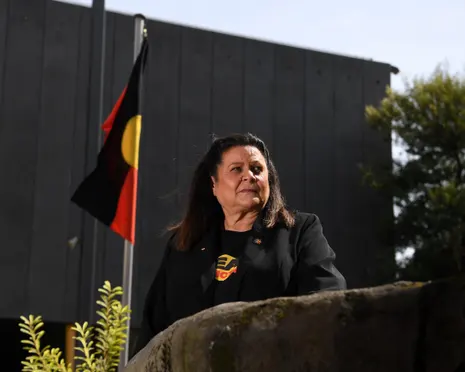
Table of Contents
Enough is enough: Empty chairs mark 121 Indigenous lives lost
Wanderstayfinder.com – Enough is enough. That was the message carried by 121 empty chairs arranged on the steps of Victorian parliament, each one representing an Indigenous person who died by suicide in the state over the preceding five years. According to the Victorian Aboriginal Health Organisation (VACCHO), every one of those deaths occurred after the royal commission into mental health delivered its final report in March 2021 — a report whose central findings called for Aboriginal self-determination, culturally grounded social and emotional wellbeing services, and the creation of two dedicated cultural healing centres.
The state government formally accepted all 65 recommendations from the commission’s final report and nine from its interim report, yet implementation of the measures most directly affecting First Nations people has stalled. Indigenous Victorians remain three times more likely to die by suicide than their non-Indigenous neighbours. Jill Gallagher, chief executive of VACCHO and a Gunditjmara woman, told reporters that the statistic exposed a fundamental failure of mainstream mental health services for Aboriginal and Torres Strait Islander communities.
“A lot of recommendations came out of that report and not many Aboriginal recommendations have been implemented. The government has done nothing. We have not established those very important healing centres, and it is crucial to try and address those numbers. These aren’t just figures we’re talking about, these are members of our families. Our families suffer, our communities suffer.”
Healing centres remain unfunded despite repeated applications
Gallagher revealed that VACCHO has submitted funding applications for the healing centres twice over the past five years, with an estimated cost of $36.2 million spread across four years. Nikki Foy, a Gunditjmara woman who lost her brother to suicide more than 20 years ago, described mainstream services as ill-equipped to manage “the complexities of the trauma that we carry.” She urged the government to build culturally appropriate healing spaces for First Nations Victorians, adding: “Culture heals. Today, or tomorrow, some family out there will receive a phone call. A mother, a father, a brother, sister, uncle or aunty or grandparents will get that call and be told that their loved one has passed by suicide … enough is enough. We are the experts that know how to support and how to help our mob. Let us do that.”
Reducing suicide rates in Indigenous communities sits among the 17 Closing the Gap targets. Both Victorian minister for mental health Ingrid Stitt and opposition spokesperson Emma Kealy addressed reporters alongside Gallagher. While each acknowledged the urgency of the self-harm crisis, neither committed on the spot to funding the healing centres. The Coalition, meanwhile, has pledged to repeal Victoria’s treaty legislation and dismantle Gellung Warl — the representative body for First Nations Victorians established under that treaty process — within 100 days of winning the November state election. Kealy said the party’s policy centred on ensuring Aboriginal community-controlled organisations received adequate funding and that, “while the journey may be different,” the Coalition remained committed to closing the gap.
Stitt said she would continue to advocate “strongly within cabinet and within the budget process” for the healing-centre projects. “Treaty is a huge part of this,” she added. “Proud First Nations peoples in Victoria have the solutions, and we will work really hard to make sure that they have the power to be able to deliver those solutions.”
FAQ: Where can Indigenous Victorians get mental health support?
Indigenous Australians can call 13YARN (13 92 76) for culturally specific information and crisis support. Other free, confidential services available around the clock include Lifeline (13 11 14), Mensline (1300 789 978), and Beyond Blue (1300 224 636). If you or someone you know is in immediate danger, call 000. For non-urgent counselling, local Aboriginal community-controlled organisations across Victoria can also provide culturally safe, ongoing support.