South Korea’s Lee urges talks with North Korea about finally ending Korean war

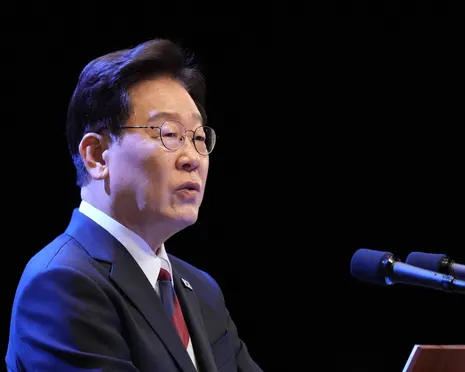
Table of Contents
South Korea’s Lee Urges Talks to End Korean War
Wanderstayfinder.com – South Korea’s Lee urges immediate diplomatic talks with North Korea to finally conclude the Korean War. President Lee Jae Myung delivered a landmark address on Saturday, proposing a comprehensive peace framework that would transform the peninsula’s armistice into a formal peace regime. This historic initiative aims to end hostilities that have persisted since the early 1950s through renewed engagement and protective measures against military escalation.
A New Peace Architecture for the Peninsula
The presidential speech commemorated Korea’s liberation from Japanese colonial rule, highlighting the opportunity for lasting peace. Lee emphasized that direct dialogue between both Koreas must address the unresolved status of their relationship. The Korean War ended with a 1953 ceasefire rather than a peace treaty, leaving the peninsula technically at war for more than seven decades.
Seoul plans to implement layered safeguards designed to prevent military escalation while fostering peaceful coexistence. These protective measures would complement ongoing diplomatic efforts to address Pyongyang’s nuclear program through engagement rather than confrontation.
“The two Koreas should hold a sit-down for coexistence,” Lee declared during his address, emphasizing the need for direct engagement between the nations.
The president’s proposal extends his pledge to respect North Korea’s political system while pursuing peaceful relations. This policy continuity signals Seoul’s determination to maintain a consistent diplomatic approach regardless of fluctuations in inter-Korean relations.
Frozen Relations Despite Outreach
Despite Seoul’s diplomatic initiatives, relations between North and South Korea remain largely dormant. Kim Jong-un has fundamentally altered North Korea’s traditional approach to peninsula unification, abandoning the long-standing reunification policy. The North Korean leader has characterized South Korea as Pyongyang’s most hostile state and strengthened defensive positions along the heavily fortified border.
North Korea has consistently rejected Lee’s engagement proposals, dismissing Seoul’s diplomatic overtures. Pyongyang has also criticized South Korea’s plan to develop nuclear-powered submarines and denounced joint military exercises with the United States as provocative actions.
Regional Cooperation and Historical Context
Beyond the Korean peninsula, Lee addressed South Korea’s relationship with Japan, calling for a balanced approach that confronts historical grievances while remaining open to future cooperation. The president expressed hope of launching a new era spanning sixty years of peace and prosperity with Japan, describing the neighboring country as a “close neighbour” with whom South Korea should build stronger ties.
The Japanese colonial period, which lasted from 1910 to 1945, left deep scars on Korean society and continues to influence bilateral relations. Lee’s reference to the liberation anniversary underscores the importance of acknowledging this shared history while moving forward with constructive engagement.
Looking Ahead: Regional Implications
Lee’s comprehensive diplomatic initiative carries significant implications for regional security architecture. The proposed peace regime would require coordination not only between the two Koreas but also with international stakeholders, particularly the United States, China, and Japan. The discussions could potentially address nuclear capabilities, military confidence-building measures, and economic cooperation opportunities.
The South Korean president’s emphasis on safeguards and pre-emptive measures reflects growing concerns about regional stability. With North Korea continuing to develop its nuclear and missile programs while simultaneously reducing diplomatic engagement, Seoul’s approach seeks to create multiple channels for communication and conflict prevention.
Frequently Asked Questions
What is South Korea’s Lee proposing?
President Lee Jae Myung is proposing a comprehensive peace framework that would transform the Korean armistice into a formal peace regime, ending hostilities dating back to the 1950s through direct dialogue and protective measures.
Why is the Korean War still technically ongoing?
The Korean War ended with a 1953 ceasefire agreement rather than a formal peace treaty, leaving the peninsula technically at war for more than seven decades despite the cessation of active hostilities.
How has North Korea responded to South Korea’s peace initiatives?
North Korea has consistently rejected Lee’s engagement proposals, dismissed diplomatic overtures, criticized South Korea’s nuclear submarine plans, and denounced joint military exercises with the United States as provocative actions.
What role does Japan play in this peace framework?
Lee is calling for a balanced approach with Japan that confronts historical grievances from the 1910-1945 colonial period while building stronger ties for a new era of peace and prosperity spanning sixty years.