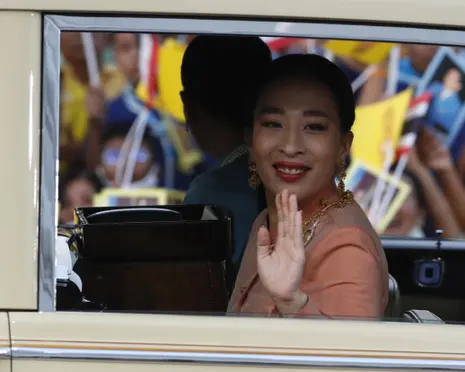
Thailand’s Princess Bajrakitiyabha Dies at 47 After Years in a Coma
Wanderstayfinder.com – The royal palace of Thailand confirmed the death of Princess Bajrakitiyabha Mahidol, the eldest child of King Maha Vajiralongkorn, at the age of 47. Her passing follows nearly four years of hospitalization, during which she remained in a coma. The news marks a significant moment in the nation’s royal history, sparking discussions about the future of the monarchy’s lineage and leadership.
A Life of Service and Illness
Princess Bajrakitiyabha, often referred to as Princess Bha within Thailand, was born in 1978 to then-Crown Prince Vajiralongkorn and his wife, Princess Soamsawali. Her early years were shaped by royal duties, and she pursued an academic path that included earning a doctorate from Cornell University. Throughout her life, she held multiple roles, blending diplomacy and public service.
Her health declined sharply in December 2022 when she fell gravely ill during a routine activity—training her dogs. The incident left her hospitalized, and since then, her condition has remained critical. In early May, the palace revealed that her medical state had deteriorated due to infections in multiple organs, making it difficult to manage her irregular heart rate. Despite ongoing treatment, her body’s functions, including kidney activity and breathing, required support from medical devices.
Legacy of Diplomacy and Advocacy
Princess Bajrakitiyabha’s career spanned both international and domestic spheres. She served as an ambassador to Austria and held positions in the attorney general’s office and the royal security command. Her work extended to the United Nations, where she acted as a goodwill ambassador for the Office on Drugs and Crime. Beyond her official roles, she was actively involved in social causes, notably championing the rights of female prisoners.
Her dedication to public service was evident in her efforts to improve conditions for incarcerated women. These initiatives, while not widely publicized, highlighted her commitment to justice and equity. The palace’s silence on her health updates over the past year underscored the gravity of her situation, leaving many to speculate about her final days.
Succession and Monarchical Politics
The princess’s death raises pressing questions about Thailand’s line of succession. With the king having seven children, only three—Princess Bajrakitiyabha, Princess Sirivannavari, and Prince Dipangkorn—currently hold royal titles. Her potential as a successor was frequently noted by analysts, who believed her education and experience made her a strong candidate for the throne.
However, the succession process in Thailand is complicated by the country’s strict lese majesty law, which criminalizes public criticism of the monarchy. As the palace has not officially declared her as a royal heir, the debate over her role remains speculative. Some have suggested she might have acted as a regent for Dipangkorn, who is reported to have learning challenges, or potentially become queen herself—a possibility that would be historic, as Thailand has never had a ruling queen.
Family Dynamics and Royal Controversies
Princess Bajrakitiyabha’s mother, Princess Soamsawali, was stripped of her royal title in 1991 after the king divorced her. Despite this, she remains an influential figure within the monarchy. The divorce also led to the separation of the king’s four other sons, who were raised abroad since the mid-1990s. These sons, now in their late 20s and early 30s, have been absent from royal affairs for decades.
Princess Sirivannavari, the king’s daughter, was raised in Thailand after being returned to the country following her mother’s divorce. In 2023, the estranged sons visited Thailand for the first time in decades, with reports of tensions over their inclusion in the royal family. By 2025, they claimed they had been denied entry to the nation, adding a layer of controversy to the family’s internal dynamics.
Monarchical Structure and Future Implications
King Vajiralongkorn’s decision to divorce his first wife, Sujarinee, a former actress, sparked widespread speculation about his motivations. Publicly, he accused her of infidelity, but her royal title has persisted, and she remains a key figure in the monarchy. The ongoing disputes within the royal family have not only affected individual members but also shaped the nation’s political landscape.
Princess Bajrakitiyabha’s passing may accelerate debates about the succession. While the king has four other sons, their status as royal heirs is uncertain. The absence of a clear heir could lead to a prolonged period of uncertainty, particularly given the strict legal framework that governs discussions of the monarchy. The lese majesty law, which can impose up to 15 years in prison for criticizing the royal family, has historically silenced dissent and reinforced the monarchy’s authority.
Global Perspectives and Royal Influence
The princess’s international roles, such as her ambassadorship to Austria, reflect her global engagement. Her academic background and diplomatic experience positioned her as a bridge between Thailand’s royal traditions and modern governance. As her death is announced, observers are questioning how her absence will affect the monarchy’s image, especially in an era of evolving public expectations.
While her medical struggles were a personal tragedy, they also symbolize the broader challenges faced by members of the royal family. Her legacy, however, continues to inspire discussions about the role of women in Thai monarchy and the need for a more inclusive succession plan. The king’s four marriages and seven children have created a complex royal hierarchy, with Bajrakitiyabha’s untimely death adding a new chapter to this intricate narrative.
“Criticism of the royal family can lead to up to 15 years in prison on a single charge,” the palace once stated, highlighting the legal constraints that shape public discourse about the monarchy. This rule, while preserving the institution’s stability, also limits open dialogue about its internal affairs.
As Thailand mourns the loss of Princess Bajrakitiyabha, the focus shifts to the next steps in the royal succession. With her death, the focus may now turn to Prince Dipangkorn, whose potential as a ruler is still under scrutiny. The question remains: will the monarchy adapt to include a female ruler, or will the traditional male-dominated hierarchy prevail?
Bajrakitiyabha’s life and career, though marked by personal hardship, have left an indelible mark on Thailand’s royal legacy. Her death underscores the delicate balance between personal resilience and the pressures of royal duty. As the nation processes this loss, the future of its monarchy appears to hinge on the decisions made in the wake of her passing.