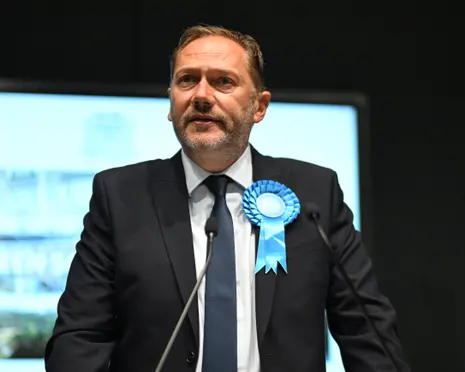
Burnham to Tell Schools in England to Adapt Teaching
Wanderstayfinder.com – Prime Minister Andy Burnham is preparing to announce a significant education reform that will require schools across England to align their teaching methods with local business requirements. This policy shift represents a cornerstone of his wider devolution agenda, designed to address employment challenges confronting younger generations. By transferring greater decision-making power to local authorities, the government aims to elevate technical and vocational qualifications to match traditional academic credentials while cutting welfare spending.
Local Control and Curriculum Changes
Building on the Greater Manchester baccalaureate model introduced during Burnham’s time as regional mayor, the new proposal mandates that schools adjust their programs for students aged fourteen and above. Educational institutions will be urged to blend practical skills with conventional academic subjects, creating a more balanced learning environment. Burnham has stated this approach would help the country “value the hard hat every bit as much as the graduation cap.”
Downing Street describes the initiative as “a fundamental change to the education system,” signaling the start of an extended series of policy announcements. Throughout the coming week, Burnham plans to reveal additional measures covering adult social care, national defense, and further devolution. After recent consumer-focused announcements about utility costs, his team intends to present him as a leader ready to tackle more entrenched political issues.
Implementation and Funding Details
The updated framework will begin in September 2028. Local leaders and regional bodies will work alongside schools and businesses to develop technical training programs focused on regional job opportunities. Alongside this structural change, extra funding will be directed toward technical and vocational qualifications, while Ofsted will receive revised guidance to recognize these credentials alongside conventional academic routes.
“For too long in this country, students have been told that you must take the academic path to do well and to be respected. The whole school system has been built around it and that has let down young people seeking technical qualifications.”
Burnham stressed that the reform seeks to address what he called an overly narrow focus on academic routes. He outlined his vision for an education model based on equality between scholarly and practical learning, guaranteeing every young person a clear pathway. “From today, Britain will value the hard hat every bit as much as the graduation cap,” he affirmed.
Tackling the NEET Problem
This education initiative also addresses the rising issue of young people not in education, employment, or training. A detailed report published in May by Alan Milburn, former Labour cabinet minister, investigated this growing concern. The first phase of Milburn’s ongoing study showed that roughly one million young people across the UK now fall into this category, with numbers increasing quickly.
Milburn said in a statement that he welcomed the plans to overhaul and devolve education for 14-plus pupils, calling it “a big step in the right direction and consistent with the findings of my review”.
The report identified several contributing factors, including changing labor markets, socioeconomic inequality, and health problems. However, it particularly emphasized insufficient attention toward employability skills and non-academic credentials. Milburn voiced support for the proposed reforms, noting their consistency with his investigation’s conclusions.
Wider Benefits System Changes
Initiatives to boost youth employment will complement broader efforts to restructure the benefits framework. These reforms will draw on insights from both Milburn’s assessment and a parallel study led by Stephen Timms, the social security minister, examining the personal independence payment disability scheme.
In a BBC interview broadcast Monday evening, Burnham expressed confidence that many young people had been disadvantaged by a system prioritizing “failure” over “success.” When asked whether some individuals received unwarranted benefits, he suggested avoiding immediate blame. “What I would say is that there are people in the benefit system, young people in their 20s, who have been failed by a system that doesn’t work for them,” he explained.
Frequently Asked Questions
When will the new education reforms take effect?
The revised education framework is scheduled to commence operations in September 2028, giving schools and local authorities time to prepare for the changes.
Which students will be affected by the curriculum changes?
The proposal requires educational institutions to modify their offerings for learners aged fourteen and older, focusing on aligning teaching with regional business needs.
How does this relate to the NEET crisis?
The initiative directly addresses the approximately one million young people across the UK who are not in education, employment, or training, providing them with alternative pathways through technical and vocational qualifications.
What role will Ofsted play in the new system?
Ofsted will receive updated directives to acknowledge technical and vocational credentials alongside traditional academic pathways, ensuring these qualifications receive proper recognition.