Taliban threaten former Afghan police worker after MoD leak reveals identity

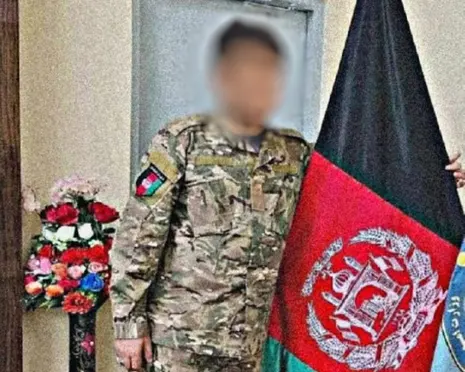
Table of Contents
Taliban Threaten Former Afghan Police Worker After MoD Leak
Wanderstayfinder.com – A former member of Afghanistan’s national police special unit now faces armed men who know his exact address — a consequence of an accidental data release by the UK Ministry of Defence in 2022. Five years after the Taliban seized Kabul on 15 August 2021, Hamid (name changed) finds himself caught between those who wish him harm and a British bureaucracy that says his years of loyal service fall short of its paperwork thresholds. The episode underscores how one administrative lapse can convert quiet gratitude into existential danger for people who once served alongside British forces.
The 2022 Data Breach and Its Aftermath
In 2022, an MoD official inadvertently published a dataset naming roughly 18,700 Afghans who had worked with or for the British government. Hamid’s file included certificates signed by senior British officers praising his “dedication, unparalleled service and leadership” within the police special unit. For Taliban operatives, the release amounted to a ready-made targeting list.
Hamid has received multiple threats since the breach surfaced. In one video shared with journalists, a man seated beneath a Taliban flag cradles a rifle and declares his intent to track Hamid down, citing specific knowledge of his past movements. The institution meant to shield those who aided its mission had, through carelessness, made them far more exposed.
A Closed Door at Westminster
The Afghan Relocations and Assistance Policy (Arap) scheme opened on 1 April 2021 as a fast-track resettlement route for Afghans who had worked directly with UK forces. It stopped accepting new applications on 1 July last year, though pre-existing cases continue through processing. Under the scheme’s rules, a claimant’s risk of death or serious injury is weighed only after every other eligibility criterion has been met — a sequencing that has proven fatal for applicants in Hamid’s position.
His most recent rejection letter, dated 31 July, stated he had failed to supply evidence of “working alongside, in partnership with or closely supporting a UK government department.” He was granted 28 days to lodge an appeal. Yet the certificates bearing British signatures — documents that explicitly praised his service — apparently did not satisfy the reviewers.
“This is extremely painful because I have already submitted every document available to me proving my service. Furthermore, many of my former colleagues who served in exactly the same department and performed the same duties have already been relocated to the UK through the Arap scheme.”
“Despite this evidence, my case continues to be refused. I believe my case raises serious questions about how some former Afghan partners of the UK continue to be treated despite years of loyal service.”
The Human Cost and Official Responses
With his identity now known to Taliban networks, Hamid cannot leave his home to earn a living. His wife sustains the family through small jobs done from inside their house — the household’s sole income, and barely enough, by his account.
“This is our family’s only source of income, and even then we struggle simply to survive.”
The psychological toll compounds the material deprivation. Years of uncertainty, repeated denials, and financial precarity have left both spouses exhausted and depressed, he said. “I am not asking for special treatment. I am only asking for a fair review based on the evidence I have already provided.”
An MoD spokesperson stressed that every application is weighed individually against the evidence submitted and the publicly stated eligibility criteria. The department also noted that since the Taliban takeover, Britain has resettled nearly 39,000 Afghan men, women, and children through its various relocation programmes.
The then defence secretary, John Healey, addressed the leak directly after it emerged, clarifying that the dataset contained individuals who had made speculative Arap applications without ever having worked alongside British forces. Being named in the file, he argued, did not confer any entitlement: “It doesn’t give them a right to claim asylum. It doesn’t make them eligible for the special [Arap] scheme that Britain put in place for those who’d worked alongside or served with our forces.”
Frequently Asked Questions
What happened in the 2022 MoD data breach? An official accidentally released a file naming approximately 18,700 Afghans connected to British government operations. The exposure gave Taliban operatives detailed information about individuals who had worked with UK forces.
Is the Arap scheme still accepting new applicants? No. The scheme closed to new applications on 1 July last year. Cases submitted before that date continue through processing, but no fresh claims can be lodged.
How many Afghans has the UK resettled since August 2021? According to MoD figures cited in official responses, nearly 39,000 Afghan men, women, and children have been relocated through various programmes since the Taliban takeover of Kabul.
What can someone in Hamid’s situation do next? He has 28 days from the date of his rejection letter to file an appeal. Advocacy groups and MPs’ offices may assist with supplementary evidence, though the scheme’s sequencing rule means risk factors are considered only after documentary eligibility is established.