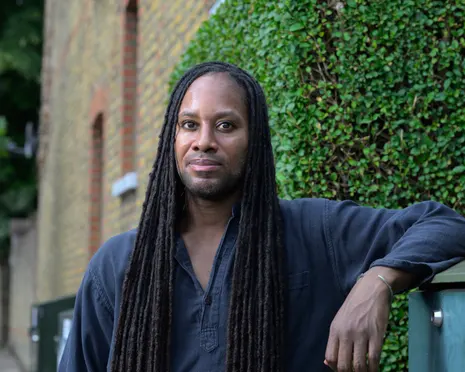
Arron Banks hired private investigators to dig into Conservative party chair

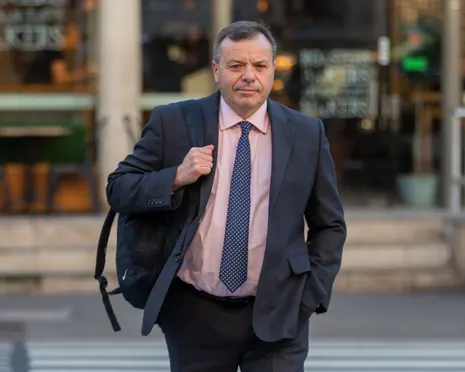
Table of Contents
Reform UK Backer Arron Banks Admits Paying Intelligence Firm to Probe Conservative Party Chair
Wanderstayfinder.com – The question of who watches the watchers has taken a sharp turn in British politics. Arron Banks, the businessman and former Reform UK parliamentary candidate who poured money into the 2016 Leave campaign, confirmed on Sunday that he commissioned a private intelligence company to examine Kevin Hollinrake, the current chair of the Conservative Party. The admission came after weeks of speculation about whether journalists and politicians scrutinising Reform UK’s funding streams had themselves been placed under surveillance.
Banks engaged Precision Risk and Intelligence, a firm he previously owned, to carry out what amounted to a dossier-building exercise on Hollinrake. He also paid the same outfit to investigate Gabriel Pogrund, investigations editor at the Sunday Times, a fact first disclosed by the New Statesman earlier this year. The dual targeting raised immediate alarm among press-freedom advocates, who warned that other reporters examining Reform’s donor networks — including those working for national newspapers — might have been quietly profiled as well.
Hollinrake’s Public Rebuke
The Conservative chair did not let the revelation pass silently. Taking to social media on Sunday, Hollinrake framed the episode as a transparent attempt to silence uncomfortable questions about Farage’s finances:
“When you can’t answer the questions, investigate the people asking them. After we called for scrutiny of Reform UK’s finances, a close associate of Nigel Farage reportedly hired private investigators to dig into me (and journalists covering the same story).”
Banks responded on X with what he characterised as a broader observation about human nature:
“I’ve always come across people in this world who like to give it but can’t receive it.”
Pressed by reporters on whether Reform UK leadership had authorised or even known about the surveillance, Banks insisted he had acted independently. “I row my own boat,” he said, effectively distancing himself from any institutional backing within the party.
The Farage Funding Question at the Centre
The Hollinrake investigation sits squarely inside a larger controversy that has consumed Westminster for months. As Conservative chair, Hollinrake has spearheaded the party’s formal challenge to revelations about a £5 million undeclared gift that Nigel Farage received from Christopher Harborne, a Thailand-based cryptocurrency billionaire, shortly before the most recent general election. The Conservatives have demanded parliamentary scrutiny of how such sums flow into British politics without transparent disclosure.
In recent weeks, a series of investigative reports — published jointly by national newspapers over several months — have traced cash donations flowing both to Reform UK as an organisation and to Farage personally from wealthy benefactors. These stories prompted Hollinrake’s office to issue formal questions seeking clarification on the provenance and timing of large gifts.
Press-Freedom Alarm Bells
The News Media Association, which represents regional and national newsrooms across the United Kingdom, moved quickly to condemn what it called an “attack on our democracy.” Theo Bamber, the NMA’s chief executive, warned that aggressive attempts to deter journalistic inquiry risked becoming normalised in British public life.
“Using private investigators to try to deter journalists from making legitimate inquiries about public figures is an attack on our democracy. Sadly, intimidation and abuse of local and national journalists is increasingly used as a weapon to limit scrutiny and deflect attention away from matters of public interest. This must not become normalised.”
Bamber went further, calling on government ministers to recognise the threat explicitly:
“Ministers must wake up to this threat to our democracy and do much more to protect the independent journalism which underpins our democratic way of life.”
The concern is not merely academic. Private intelligence firms operate in a regulatory grey zone: they can gather open-source data, conduct social-media monitoring, commission background checks on property records, and in some cases deploy field operatives. Unlike police or parliamentary committees, they answer to no public accountability framework. When such resources are deployed against individual journalists or elected officials over routine questions about political funding, the chilling effect on press freedom can be substantial.
Banks’ Earlier Comments and the Sunday Times Dispute
In a prior interview with the New Statesman, Banks offered a more expansive account of his motivations. He said he believed the Sunday Times had relied on hacked information in its reporting and that this constituted “an area of interest” for his firm’s investigative arm, which he described as possessing “advanced capabilities.” The Sunday Times has publicly rejected that characterisation.
When asked directly whether he had paid investigators to surveil Pogrund specifically, Banks offered a terse reply:
“When you live by the sword, you die by the sword.”
On whether he had commissioned similar work targeting reporters at other national outlets, Banks said he was “not really interested in the Guardian” but declined to elaborate further.
Tether.bet and the Wider Financial Web
The controversy gained additional texture this weekend when the Sunday Times published a fresh investigation examining links between Reform funders and Tether.bet, an online gambling platform accused of operating illegally for UK punters. The site closed its operations earlier this week.
According to the report, convicted fraudster George Cottrell was a high-profile customer of the platform. Separately, Harborne owned a company called IFX that processed payments on behalf of another entity which accepted deposits and returned winnings to gamblers. Cottrell’s lawyers told the newspaper that his relationship with Tether.bet “has been limited to that of a customer, in addition to which he knows and is friends with the owner.” In a separate statement to reporters, his legal team emphasised that Cottrell is one of the world’s best-known professional gamblers and added: “It is therefore hardly surprising that [others] may seek to associate themselves with him in an attempt to lend credibility to their businesses or generate publicity. Mr Cottrell has never invested in, owned or operated any betting company or casino.”
The convergence of crypto wealth, offshore gambling platforms, and political donations into a single parliamentary party now sits at the heart of one of the most contentious funding debates in recent British politics. Whether private intelligence work will become an accepted tool for managing that debate — or whether Parliament and regulators will draw firm lines around who may surveil whom — remains to be seen.
Related Reading
Frequently Asked Questions
What is Arron Banks hired private investigators to dig?
Arron Banks hired private investigators to dig is the main topic of this guide. The article explains the context, practical details, and next steps readers should understand.
Why does Arron Banks hired private investigators to dig matter?
Arron Banks hired private investigators to dig matters because readers are looking for a useful answer, not just a short summary. Good content should match search intent and help them decide what to do next.