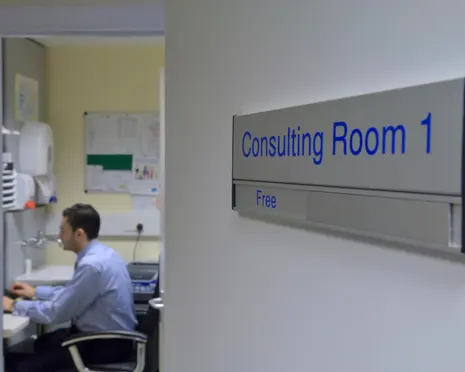
Burnham urged to intervene over ‘zero-hours’ custody officers in private prison


Table of Contents
First Zero-Hours Contracts Proposed for Prison Escort Duties at York-Adjacent Facility
Wanderstayfinder.com – For the first time in the history of England and Wales’ prison system, a privately managed jail has moved to recruit custody officers on zero-hours contracts. The proposal, submitted by outsourcing firm Mitie to the Prison Service, targets prisoner escort work at HMP Millsike, a category C facility near York housing up to 1,500 inmates. A government official confirmed on Monday evening that the scheme remains “under consideration,” though online job advertisements have already been approved and published.
The adverts, placed through recruitment agency Sangfroid Group on Mitie’s behalf, advertise roles paying £25 per hour for officers tasked with moving prisoners between prisons, courts, and medical appointments. The listings explicitly describe the work as being performed “on a flexible, task-based basis,” a formulation that union leaders say amounts to zero-hours employment dressed in different language.
What the Advert Actually Offers
The job listing targets former members of the UK Armed Forces, Blue Light Services, or the Prison Service itself, framing the position as “flexible, meaningful work that fits around your existing commitments.” Successful candidates would complete seven weeks of training before deployment.
Two employment pathways are outlined. The first involves regular rotational shifts of up to two or three weeks per month, with consecutive-day deployments capped at five. The second option places workers in what the advert calls a “contingent workforce,” supporting what it terms “ad hoc operational requirements” with no guaranteed minimum hours.
This distinction matters because state-run prisons already employ operation support-grade officers who manage gates and reception areas. Those staff members are expressly prohibited from escorting, guarding, handcuffing, or otherwise interacting directly with prisoners. The Millsike role, by contrast, places contract workers in direct physical proximity to inmates on a daily basis.
A Staffing Crisis Behind the Proposal
The £400m facility, which began receiving prisoners in March 2025, currently holds roughly 350 fewer inmates than its capacity allows. Prison sources attribute the shortfall to an inability to fill officer posts. Mitie receives approximately £33m annually to operate the jail, yet has struggled to meet its contractual staffing obligations since opening 17 months ago.
The Independent Monitoring Board raised “serious concerns” in a recent report about conditions at Millsike. Violence levels were described as so elevated that IMB members stated they felt safe only when walking the site in pairs. In January, the watchdog noted “inconsistent gate security” during staff visits, observing that “doors and gates being left open.” Within a month of that finding, Mitie replaced the prison’s director, moving the outgoing figure into a strategic role elsewhere in the organisation.
Union Response and Political Pressure
The Prison Officers’ Association has called on Prime Minister Andy Burnham to step in directly, invoking the government’s stated pledge to curb zero-hours contracts that it argues undermine workers’ rights, security, and stability.
“At a time when the government is releasing prisoners because of a chronic lack of cell space, Mitie is unable to fulfil its contractual obligations because they cannot recruit enough officers to safely staff the jail. Now they are trying to introduce zero-hours contracts by another name.”
Mick Pimblett, the POA’s deputy general secretary, continued:
“The POA rejects this attempt to bring casualised labour into the prison system. Prison officers are committed professionals working in a highly pressured, often hostile environment. Treating them in the same way as zero-hours contractors is disgraceful.”
Burnham’s Broader Dilemma
The intervention demand lands amid already-heightened scrutiny of the government’s early prisoner release programme, designed to free up scarce cell capacity. Pressure intensified when it emerged that the killers of police officer Andy Harper would qualify for early release under the scheme. Burnham has publicly pledged that Jessie Cole and Albert Bowers will remain incarcerated, but officials have informed him that singling out specific offenders is impossible without simultaneously retaining roughly 500 other manslaughter convicts who would otherwise qualify for release.
The Wider Workforce Picture
The Millsike proposal arrives against a backdrop of severe officer shortages across the estate. Data show more than 1,600 vacancies for prison officers in England and Wales as of June, set against a total workforce of approximately 22,000. While 248 officers joined the service in the most recent reporting period, that intake rate falls far short of the gap. The combination of attrition, recruitment difficulty, and the early-release scheme’s pressure on cell capacity has created the conditions under which a private operator now argues that flexible, task-based labour is the only viable staffing solution.
Whether the Prison Service approves the Mitie proposal will determine whether zero-hours arrangements enter the prison estate for the first time. If cleared, the model could be replicated at other privately operated facilities, fundamentally altering the employment relationship between the state’s custodial responsibilities and the workers tasked with carrying them out.
Related Reading
Frequently Asked Questions
What is Burnham urged to intervene over zero?
Burnham urged to intervene over zero is the main topic of this guide. The article explains the context, practical details, and next steps readers should understand.
Why does Burnham urged to intervene over zero matter?
Burnham urged to intervene over zero matters because readers are looking for a useful answer, not just a short summary. Good content should match search intent and help them decide what to do next.