UK petrol prices hit highest level in almost four years as bank holiday getaway looms

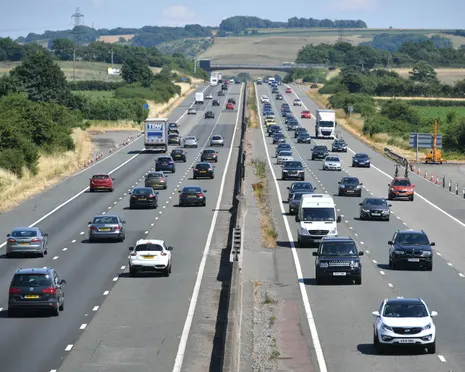
Table of Contents
UK Petrol Prices Hit Highest in Four Years
Wanderstayfinder.com – UK petrol prices hit highest levels since late 2022, pushing the average petrol cost to 161.6p per litre and diesel to 183.4p per litre according to the AA’s latest survey. The spike lands with brutal timing: millions of drivers are preparing for long-distance bank holiday journeys across England, Wales and Northern Ireland, and every extra penny at the pump compounds the strain of peak-season travel.
Why the Pump Is Costing More Right Now
The wholesale story behind the retail numbers is rooted in a seismic disruption to global energy supply. Following the US-Israeli military strike on Iran in February, Brent crude — the benchmark contract underpinning international oil pricing — jumped from roughly $72 per barrel to a wartime peak of $126 by April. Diplomatic optimism in early July briefly dragged the price back to $71, but the current trading level of $89.63 per barrel means refined-product costs reaching UK forecourts remain well above pre-conflict norms.
The RAC projects that the upcoming bank holiday weekend will generate the heaviest road traffic in its recorded history dating back to 2015, with Friday alone expected to put more than 4.1 million vehicles on UK roads. For motorists already absorbing elevated fuel costs, that volume of traffic translates into longer journeys, greater consumption, and a deeper financial hit.
Regulatory Response and the Fuel Finder Push
The Competition and Markets Authority has stepped up its surveillance of retail pump pricing, citing concerns that some operators were pocketing windfall margins instead of passing wholesale cost movements through to consumers. Its summer investigation found a significant number of stations slow to mirror reductions in wholesale energy costs at the pump. More than 1,000 warning letters were dispatched to retailers that had failed to submit pricing data to the government’s Fuel Finder comparison platform.
Fuel Finder lets drivers compare per-litre costs across stations nationwide. The AA’s own Thursday-night survey identified meaningful regional variation: in areas including Aylesbury, Wembley and Gloucester, petrol was available at roughly 10p per litre below the national average. Luke Bosdet of the AA stressed that even a single competitively priced forecourt in a locality can exert downward pressure on neighbouring stations, including supermarket fuel outlets.
“UK pump pricing is back to its worst. It is too often overpriced and uncompetitive, with too many communities denied road fuel at a reasonable price. Drivers just need to find them and go to them.”
Practical Steps for Bank Holiday Drivers
Those who can plan ahead may soften the blow: fill the tank before departure, check Fuel Finder for cheaper stations along the route, or shift travel to less congested days within the holiday period. Yet the structural problem Bosdet flags is harder to sidestep — when wholesale costs stay elevated due to geopolitical instability and retail competition remains uneven across regions, the average motorist absorbs both shocks simultaneously. The CMA’s enforcement letters signal continued regulatory pressure through the remainder of the year, but whether that translates into meaningful retail relief before the next escalation remains uncertain.
FAQ
When did UK petrol prices last reach this level? The previous comparable spike occurred in November 2022, in the immediate aftermath of Russia’s full-scale invasion of Ukraine, when global oil markets convulsed on supply fears.
How can I find the cheapest petrol near my route? Use the government’s Fuel Finder comparison tool, which aggregates per-litre prices from stations nationwide. The AA also publishes periodic regional surveys highlighting areas where fuel trades below the national average.
Will prices fall before the bank holiday? With Brent crude still trading near $90 per barrel — well above the pre-conflict $72 norm — analysts expect retail prices to remain elevated through the holiday period. The CMA’s intensified monitoring may temper the worst excesses, but a wholesale-driven floor on pump costs persists.