Albanese vows refugee intake won’t be slashed after earlier reports of Coalition-level cut

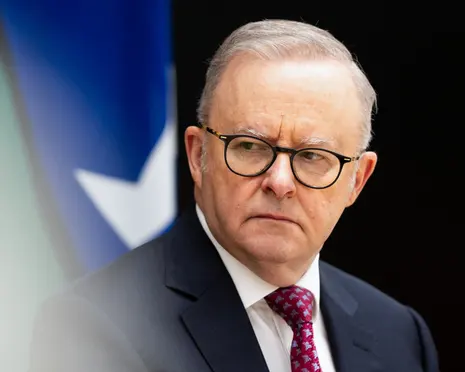
Table of Contents
Albanese Vows Refugee Intake Won’t Be Slashed
Wanderstayfinder.com – Albanese vows refugee intake won’t be slashed, Prime Minister Anthony Albanese confirmed on Thursday afternoon, reversing a same-day signal from his own ministry that would have cut Australia’s humanitarian arrivals quota by a third. The proposed reduction — from 20,000 to 13,750 places for the 2027–28 budget year — was effectively dead within hours of Home Affairs Minister Tony Burke’s office flagging it as imminent, leaving refugee advocates and backbench Labor MPs scrambling to process the whiplash.
The episode laid bare a fault line running through the governing coalition between its stated humanitarian obligations and the electoral arithmetic of courting One Nation voters, who have made migration their defining grievance. By late afternoon, a formal PM statement locked the 20,000-place figure into the upcoming federal budget, ending the scare before it could calcify into a policy shift.
“The refugee intake needs to be renewed in the coming budget as the 20,000 places was available for four years. This intake number remains government policy and will be continued in future years, consistent with Australia’s humanitarian commitments and sits beside our strong border security measures.”
One Nation’s Shadow and Internal Party Friction
The scare arrived amid a broader Labor push to cap net overseas migration at 225,000 by the next financial year. Burke had already postponed the wider migration package earlier in the month, and tighter working-holidaymaker rules — aimed squarely at British visitors — were also queued for release. Critics argued the sequencing made the refugee cut look less like a considered recalibration and more like a reflexive concession to One Nation’s polling surge.
Speaking at a regional summit in Dubbo, New South Wales, earlier that Thursday, Albanese had already pushed back on the morning’s reporting, framing the government’s migration adjustments as a response to post-pandemic demographic shifts rather than to electoral pressure. He nonetheless acknowledged the political headwinds in plain terms.
“We’re worried about trying to get numbers right. We’re responding to national needs. There is a current spike in the support for One Nation, quite clearly, but we’ve responded. We started lowering the numbers well before that occurred because we recognise that we want to get that right to assist the Australian economy.”
Conference Resolutions and Advocacy Backlash
The reversal also underscored how tightly Labor is hemmed in by its own conference machinery. In 2015, delegates committed the party to accepting 27,000 refugees annually by 2025 — a figure born of a bitter internal fight over asylum-seeker processing and Pacific boat-turning. At the most recent national conference in Adelaide last July, delegates reaffirmed a two-track formula:
“Labor will seek, in the short term, to maintain Australia’s government funded humanitarian intake numbers at 20,000 places per year while also continuing to aspire to achieving 27,000 places per year.”
Any figure below 20,000 would therefore have required either a fresh conference resolution or an explicit executive override — a move that would have widened the internal split over migration policy considerably.
Refugee organisations moved fast to register opposition before the PM’s intervention. Jana Favero, deputy chief executive of the Asylum Seeker Resource Centre, warned that trimming the intake would strand families already waiting for sponsorships and visas.
“There are already Australian families desperately waiting to bring loved ones to safety from Iran, Sudan, Gaza and conflicts around the world. What makes this even more disturbing is the politics behind it. The government appears increasingly willing to let One Nation dictate the terms of the migration debate, even when that means abandoning commitments made by its own party just weeks ago.”
Paul Power of the Refugee Council of Australia placed the proposed cut in a wider international frame, noting that Australia had been the only OECD member with a substantial resettlement programme to avoid trimming places over the preceding two years. When the Albanese government lifted the programme to 20,000 in 2023, no one signalled it was a temporary bump. A sudden reduction, Power argued, would have made little difference to Australia’s net overseas migration totals while sending a damaging signal to partner countries and to communities already sponsoring refugees.
Frequently Asked Questions
Will the 20,000-place humanitarian intake continue beyond 2027–28? According to the PM’s Thursday statement, the figure will be renewed in the upcoming federal budget and is described as ongoing government policy, consistent with Australia’s humanitarian commitments.
What was the proposed cut and who signalled it? Home Affairs Minister Tony Burke’s office indicated a reduction from 20,000 to 13,750 places for the 2027–28 year. Albanese reversed the move the same afternoon.
Does the cut affect working-holidaymaker rules? No. Tightening of working-holidaymaker conditions, particularly for British visitors, remains a separate policy track within the broader migration package and was not part of the refugee-quota reversal.
Can Labor change the intake without a new conference resolution? Under the party’s own rules, dropping below the 20,000 floor set at the July Adelaide conference would require either a new delegate vote or an explicit executive override, making a unilateral cut procedurally difficult.