Utah Wildfire Forces Evacuation of Small Town Amid Escalating Western U.S. Heat Crisis
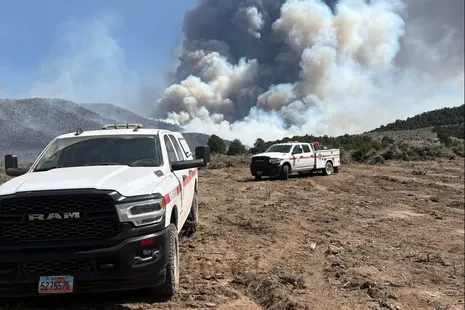
Wanderstayfinder.com – Searing temperatures and arid, gusty winds have ignited several wildfires across the western United States, with a significant blaze in Utah’s Juab County pushing a small community into emergency evacuation. The Iron fire, which began on Saturday, has already scorched over 2,000 acres and is now threatening the town of Eureka, home to approximately 1,000 residents, as well as nearby properties. With forecasts indicating persistently high temperatures, the threat of additional blazes looms over the coming days, compounding the challenges faced by emergency responders.
Community Displaced by Rapidly Spreading Flames
A major blaze in Utah’s Juab County was first detected on Saturday, spreading swiftly due to the region’s dry conditions and strong winds. Located about 70 miles (113 kilometers) southwest of Salt Lake City, the fire forced the evacuation of Eureka and adjacent ranches, though no homes were lost. Firefighters managed to contain the perimeter of the town, preventing further spread as authorities monitored the situation closely.
“We knew that there was going to be extreme fire danger, and sure enough we had multiple fires,” said Spencer Cox, Utah’s governor, during a visit to the area on Sunday. His remarks underscored the severity of the conditions, which have left communities in the region scrambling to adapt.
The Iron fire is one of six active wildfires in Utah, with varying levels of containment reported. Officials from the multi-agency Utah Fire Info team emphasized that while the town of Eureka was protected, the fire’s growth continues to be a concern, particularly amid the ongoing drought. Kelly Wickens, a fire prevention specialist with the Utah Division of Forestry, Fire and State Lands, noted that the blaze remains human-caused and is under investigation.
Heat Wave Intensifies Wildfire Threats Across the Southwest
As the western United States braces for more extreme weather, the region’s parched landscape has become a tinderbox. The National Weather Service issued a red-flag warning for Colorado’s southwest corner until Monday, citing high winds and low humidity as factors that could exacerbate existing fires. In Arizona, a separate wildfire near Sedona burned approximately 300 acres (120 hectares) of steep terrain along Oak Creek Canyon, with evacuations still in place for residents who fled earlier in the week.
Across the American Southwest, temperatures have surged to above-average levels this weekend, with even hotter conditions projected for early next week. Parts of southern California are under an extreme heat advisory, prompting concerns about the potential for more wildfires. The Los Angeles Times reported that such conditions are creating an environment where any spark could ignite a dangerous blaze.
Drought Conditions Fuel Regional Fire Risk
According to the US Drought Monitor, much of Utah is experiencing severe to extreme drought, while parts of Arizona and Colorado face similar challenges. These conditions have made vegetation highly susceptible to combustion, increasing the likelihood of rapid fire spread. The combination of prolonged dry spells and record-breaking heat has created a perfect storm for wildfires, with emergency services working tirelessly to mitigate damage.
One of the most tragic consequences of the extreme heat has been the loss of life. Last week, three hikers were killed in separate incidents within the Grand Canyon, a stark reminder of the dangers posed by the current weather patterns. Temperatures in Carlsbad, New Mexico, are expected to reach up to 108°F (42.2°C), further heightening the risk for communities in the region.
Broader Impacts of the Heat Crisis
While the focus has been on Utah and Arizona, the heatwave is not limited to these states. In Florida, a brush fire in Miami-Dade County spread across 2,000 acres (800 hectares) over the weekend, highlighting the far-reaching effects of the climate pattern. Despite the intensity of the flames, no immediate reports of casualties were issued, though the fire’s trajectory remains a priority for local authorities.
Officials have warned that the prolonged dry, hot weather is not only fueling wildfires but also making it harder to control them. Fire prevention specialists are urging residents to take precautions, such as keeping fire extinguishers accessible and avoiding activities that could generate sparks. The situation has prompted a coordinated response across multiple agencies, with resources being deployed to high-risk areas to prevent further escalation.
The wildfires in Utah and neighboring states are part of a larger trend of increasing fire activity in the western U.S. This trend is linked to climate change, which has led to more frequent and severe heatwaves. As the region continues to face these conditions, the demand on firefighting resources is expected to rise, potentially straining efforts to respond to new outbreaks.
Community Resilience and Recovery Efforts
Even as the immediate danger persists, there are signs of community resilience. In Eureka, residents have begun to return to their homes as the fire’s threat recedes, though temporary restrictions remain in place. Local leaders are working with state agencies to assess damage and support those affected by the evacuation. The success of the firefighting operation in protecting the town has been a critical factor in minimizing long-term displacement.
However, the broader implications of the extreme heat and drought are still being felt. The Iron fire’s human origin, though under investigation, highlights the role of human activity in exacerbating the crisis. With more blazes anticipated in the coming days, the region’s ability to manage these events will be tested. The US Drought Monitor’s report serves as a stark indicator of the environmental stress driving these fires.
As the western U.S. grapples with the intersection of extreme heat and dry conditions, the need for proactive measures and improved preparedness has never been more urgent. While the immediate focus is on containing the current wildfires, the long-term impact on ecosystems, infrastructure, and public health remains a critical concern. The coming days will be crucial in determining how well the region can respond to the escalating challenges posed by this heatwave.