Video shows hundreds held captive after Nigeria mosque kidnapping

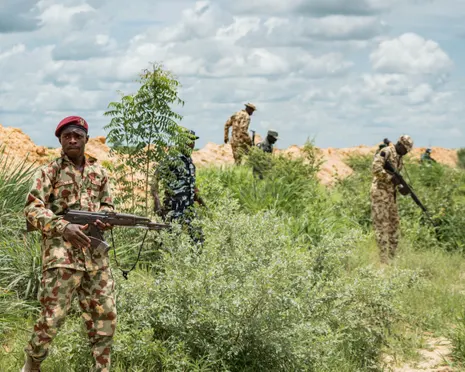
Table of Contents
Nigerian Families Scour a Viral Video for Missing Loved Ones After Mosque Mass Abduction
Wanderstayfinder.com – In a scene that has sent shockwaves through communities across north-central Nigeria, an armed faction released a lengthy video depicting roughly 600 women, children, and elderly captives seated together in a wooded clearing, flanked by men carrying weapons. The footage, which spread rapidly through Facebook and WhatsApp within days of the incident, offers a rare and harrowing glimpse into the aftermath of one of the largest single-site mass kidnappings in the country’s ongoing security crisis.
The captives were seized during Friday prayers at a mosque in Dekara village, Niger State, in what locals described as coordinated strikes hitting multiple communities at once. The attack unfolded last week, and the video emerged two days later, giving families a desperate window to search for familiar faces among the rows of seated men, women, and children.
What the Footage Reveals
The recording shows large clusters of people arranged on the forest floor, with armed men positioned around the perimeter. In the background, the unmistakable sound of children weeping cuts through the ambient noise. At one point, a gunman speaking Hausa turns to the camera and addresses the families of those held, urging them to scan the frames for relatives.
“These are all your people. We are showing you this video so that you can identify your family members, your fathers, mothers, children and relatives,” the gunman said.
Reporters were unable to confirm the precise date or geographic coordinates at which the clip was filmed. However, no earlier iteration of the video appeared online before Sunday, lending some credibility to its timing relative to the Friday attack. Four residents of the affected area told journalists they could positively recognize individuals in the footage.
Neighbors Identify Their Own
For families in Dekara and surrounding settlements, the video transformed an abstract fear into a concrete, agonizing task: scrolling through frames, pausing, squinting, and praying for a match. Ibrahim Abubakar, a local resident, said he had already picked out thirteen people he knew by name.
“The people in the video are from Dekara. I’ve identified 13 people that I know,” Abubakar said.
Abdulmutallib Muqaddas Dindi, another community member, described the emotional toll of watching elders and young children appear in the clip.
“We have identified our elders, relatives, and some of us have seen their wives and children in the video,” Dindi said.
The presence of mothers cradling infants and toddlers among the captives has intensified public anxiety. Jamilu Ibrahim, a resident of the area, directed a pointed appeal to both federal and state-level authorities, demanding that steps be taken to secure the release of everyone shown in the recording.
A Pattern That Keeps Growing
The Dekara mosque attack is not an isolated event. Mass kidnappings for ransom have become a near-regular feature of life in north-western and north-central Nigeria over the past several years. Heavily armed groups routinely sweep through villages, schools, and highway corridors, seizing dozens or hundreds of people at a time and holding them until substantial sums are paid. What began as a problem concentrated in the far north has steadily migrated southward, drawing in states that once considered themselves relatively insulated from the insurgency and banditry that plague the region.
Niger State, situated in the country’s north-central belt, has seen its share of such incidents in recent years. The targeting of places of worship during prayer times adds a layer of particular brutality to an already devastating pattern: worshippers, often including women and children who accompany family members, are caught in a moment of vulnerability when they are gathered together and least able to flee.
The simultaneous raids on multiple communities described by residents suggest a level of coordination and manpower that points to well-organized groups rather than opportunistic small bands. The scale of the abduction — approximately 600 people in a single strike — places it among the larger mass-kidnapping events recorded in the region in recent years, where figures in the hundreds have occasionally been reported from school or village raids.
Official Silence
As of Monday, neither the state police command nor the Niger State government had responded to requests for comment on the latest incident or the video’s contents. Police had earlier acknowledged that an attack on worshippers took place in the area but stopped short of confirming how many people were taken. That gap between official acknowledgment and the scale suggested by the footage has deepened frustration among residents who feel the state’s response has lagged far behind the crisis.
For now, the families of the roughly 600 captives are left to watch, identify, and wait — searching a video for the faces of fathers, mothers, and children, and pressing authorities for answers that have yet to arrive.
Related Reading
Frequently Asked Questions
What is shows hundreds held captive after Nigeria?
shows hundreds held captive after Nigeria is the main topic of this guide. The article explains the context, practical details, and next steps readers should understand.
Why does shows hundreds held captive after Nigeria matter?
shows hundreds held captive after Nigeria matters because readers are looking for a useful answer, not just a short summary. Good content should match search intent and help them decide what to do next.