Iran’s Ceasefire Prospects Amid Hormuz Blockade and Regional Tensions
Escalating Conflict and Strategic Challenges
Wanderstayfinder.com – As tensions persist in the region, the question of whether Iran will abandon ceasefire negotiations has gained urgency. The ongoing blockade of the Strait of Hormuz, a critical chokepoint for global oil shipments, has intensified concerns about Iran’s ability to sustain diplomatic efforts. The conflict, which began with Israeli strikes targeting Hezbollah in Lebanon, has drawn in additional actors, including the Houthis in Yemen. This broader involvement complicates the prospects for a peaceful resolution, with analysts highlighting the potential for a wider regional confrontation.
The situation has created a dilemma for Iran’s leadership. While some factions within the government push for a more aggressive stance, others remain committed to maintaining dialogue. The blockade of the strait, which has disrupted maritime trade and raised fears of economic retaliation, serves as both a strategic weapon and a potential threat to Iran’s stability. The interplay between military actions and diplomatic overtures remains a key factor in determining whether the nation will pivot away from ceasefire talks.
Internal Divisions and Diplomatic Strategy
Inside Iran, the decision to continue or suspend ceasefire discussions is being debated. Hardliners, emboldened by the strategic advantage gained through the Hormuz blockade, argue that the time is ripe to pressure Israel into concessions. Conversely, moderates emphasize the importance of preserving economic stability and avoiding a complete breakdown of relations with the US. This internal conflict underscores the delicate balance Iran must strike between regional ambitions and global partnerships.
Recent developments have shown that Iran’s approach is neither entirely rigid nor fully flexible. Officials have signaled a willingness to negotiate, yet they have also reinforced their stance on key demands, including the return of frozen assets and the withdrawal of Israeli forces from Lebanon. The ongoing military engagement with Israel and the involvement of the Houthis illustrate how Iran’s strategy is shaped by both immediate threats and long-term geopolitical objectives.
US-Israel Dynamics and Regional Influence
The role of the United States in the conflict is a central point of contention. Iran’s foreign ministry spokesperson, Esmail Baghaei, has accused Israeli Prime Minister Benjamin Netanyahu of acting with US backing, while also acknowledging the possibility of independent action. This dual narrative highlights the complexity of the US-Israel alliance and its impact on Iran’s diplomatic posture. The US, meanwhile, faces pressure to mediate and prevent further escalation.
“The US state department’s role in the conflict is undeniable, yet Israel’s autonomy in military decisions cannot be overlooked.”
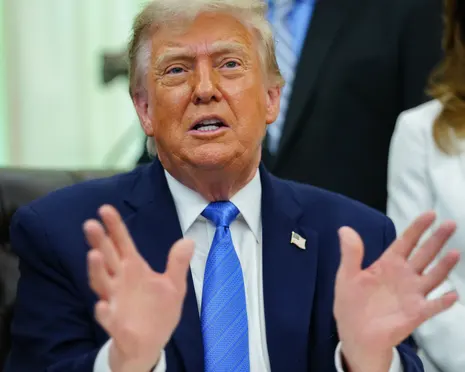
Baghaei’s statements reflect the broader uncertainty surrounding the US’s involvement. While Trump’s public appeals for restraint were met with skepticism, his influence on regional dynamics remains significant. The US’s strategic interests in maintaining stability and securing energy supplies add another layer to the negotiations, making it difficult to predict whether Iran will ultimately withdraw from ceasefire talks.
Economic Pressures and Political Consequences
Iran’s economic challenges have become a key consideration in its decision-making process. The blockade of the Strait of Hormuz has exacerbated fears of financial instability, with the loss of oil revenue threatening to deepen domestic unrest. Leaders such as Hesamodin Ashna have warned that continued diplomatic setbacks could erode public support for the government. The economy, once a symbol of resilience, now appears vulnerable to the consequences of prolonged conflict.
Despite these pressures, Iran has not yet signaled a definitive shift in strategy. The focus on economic recovery and political stability suggests that the nation may still prioritize ceasefire negotiations. However, the persistent attacks on Hezbollah and the involvement of the Houthis have created a scenario where Iran’s options are constrained. The road to resolution remains uncertain, with both military and economic factors shaping the outcome.
Pathways to Resolution and Future Outlook
The coming weeks will determine whether Iran’s commitment to ceasefire talks holds. While the blockade of the strait has disrupted supply chains, it has also demonstrated Iran’s ability to project power. This combination of military strength and economic vulnerability creates a unique opportunity for negotiation. Analysts suggest that the success of the talks will depend on the ability of all parties to address core issues, including the status of the strait and the role of regional allies.
As the situation evolves, the focus keyword “Will Iran give up on ceasefire” will likely recur in discussions about Iran’s strategic choices. The interplay between military actions, economic stakes, and diplomatic efforts highlights the complexity of the conflict. Whether Iran chooses to continue negotiations or adopt a more aggressive posture will have far-reaching implications for the Middle East and beyond.