Iran War: Who Is Fighting and Why?
Wanderstayfinder.com – In a sudden escalation of hostilities, Israel and Iran resumed active combat for the first time since a temporary truce was signed two months earlier. This renewed exchange of rocket fire has cast doubt on the prospects of broader peace initiatives. Donald Trump, who had previously initiated the conflict in February by aligning with Israel, now positions himself as a mediator. On Monday afternoon, the attacks ceased, but the question remains: what triggered this resurgence, and how has it affected regional stability?
Trump’s Role and the Ceasefire
Donald Trump, once the driving force behind the war, has shifted his stance to advocate for peace. He urged both sides to halt hostilities and claimed “final negotiations” on a resolution were underway. Yet, the conflict began on February 28 when the US and Israel Defense Forces (IDF) launched coordinated strikes. The situation quickly spiraled beyond Trump’s control, causing widespread instability in the region and a global economic ripple effect.
Tehran’s closure of the Strait of Hormuz, a critical chokepoint for oil shipments, disrupted energy markets and increased the cost of essentials like food. Despite initial losses, including the late supreme leader Ali Khamenei, Iran swiftly reorganized its leadership. The ceasefire, agreed on April 8, is seen as a temporary pause rather than a lasting solution. Key disputes persist, such as ensuring freedom of navigation in the Gulf, curbing Israeli military actions against its neighbors, and managing Iran’s nuclear program.
“Final negotiations on peace were proceeding,” Trump stated, attempting to position himself as a peacemaker.
Unresolved Issues and Regional Tensions
Iran argues its nuclear program is solely for power generation, but international concerns remain. Many governments demand enforceable agreements to prevent the development of atomic weapons. Trump, while dismantling the Obama-era nuclear deal, has not yet secured a replacement. This leaves the door open for renewed conflict, as each side claims the other instigated the violence.
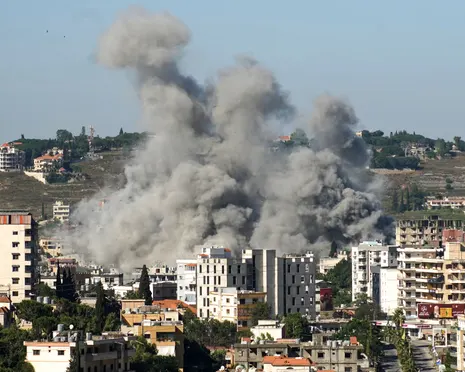
The latest clashes began with Israel’s strikes on Beirut, which Tehran condemned as a violation of the ceasefire. The Iranian response included attacks on Israeli targets, escalating tensions. While the US, Israel, and Iran stopped bombing each other in April, Israel’s attacks on Lebanon and Hezbollah’s rocket strikes continue. This persistent violence has deepened the humanitarian crisis, displacing over a million people—nearly 20% of Lebanon’s population—and causing thousands of casualties.
Hezbollah’s involvement in the conflict has been pivotal. The group joined the war in March after launching rockets at Israel, supporting Iran’s cause. In retaliation, Israel intensified its bombing campaign across Lebanon. The Israeli military has historically occupied parts of Lebanon, with a strong political faction advocating for permanent control of the territory. The destruction caused by this conflict has led to widespread displacement and a severe toll on civilian life.
Lebanese Government and Hezbollah’s Stance
The Lebanese government, despite its efforts, has struggled to manage the situation. It has been working to reclaim areas dominated by Hezbollah and aims to disarm the group. However, Hezbollah maintains that its weapons are essential for defending against Israeli aggression. The current ceasefire agreement, brokered in Washington, includes Lebanon but lacks enforceability because Hezbollah, not the Lebanese army, is the primary aggressor. The group has rejected the truce, leaving the Lebanese government in a difficult position.
Tehran insists that Lebanon should be part of a comprehensive peace deal, a condition that Israel and the US have resisted. Trump, when asked about Lebanon’s inclusion, responded that it was not a mandatory part of the agreement. While direct negotiations between the Lebanese and Israeli governments have led to a ceasefire, the deal remains fragile. Hezbollah’s continued attacks and refusal to comply with the truce threaten to derail these efforts.
Broader Implications for Peace Efforts
The resumption of hostilities between Israel and Iran has reignited fears of a larger regional war. The initial conflict, sparked by Israel’s strikes on Beirut, was met with Iranian retaliation, highlighting the deep-seated animosity between the two nations. The ceasefire, though a step toward peace, has not resolved the fundamental issues driving the conflict. These include the freedom of movement for ships in the Gulf, constraints on Israeli military operations, and the nuclear ambitions of Iran.
As the war continues, the impact on global markets and regional alliances becomes more pronounced. The closure of the Strait of Hormuz during the conflict caused a spike in oil prices, illustrating the economic stakes. Meanwhile, the humanitarian toll has prompted international attention, with many governments expressing concern over the scale of displacement and casualties. The situation in Lebanon remains a flashpoint, with the Lebanese government attempting to balance its relationship with Hezbollah and the Israeli military.
Despite the ceasefire, the underlying tensions persist. Trump’s mediation, while offering hope, has not eliminated the dispute over who initiated the conflict. His role as both an aggressor and a peacekeeper creates a complex dynamic. The war’s impact on peace efforts underscores the challenges of achieving a lasting resolution. As the parties negotiate, the question of how to ensure compliance and address all grievances looms large over the future of the region.