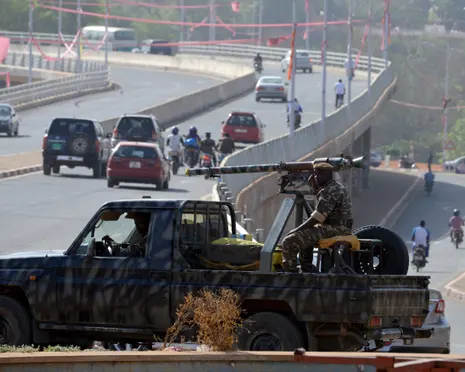
Russia says UK ‘playing with fire’ amid reports CIA chief has warned Kremlin not to attack Nato

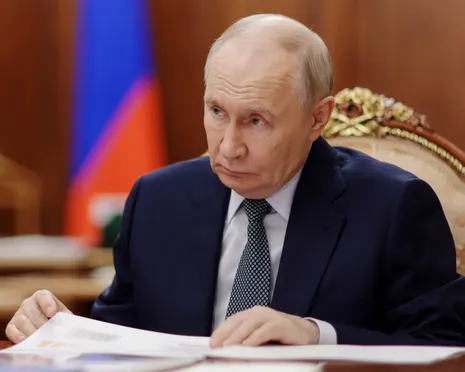
Russia Says UK Playing With Fire as CIA Moscow Trip Fuels Alarm
Wanderstayfinder.com – Russia says UK playing with fire — that was the blunt message delivered Thursday from Moscow after London deepened its military partnership with Kyiv. The warning came days after intelligence reporting revealed that CIA director John Ratcliffe had made a closed-door trip to the Kremlin, a visit the White House later labelled “semi routine” but which has set off speculation across Western capitals about what the two sides discussed.
What Triggered Moscow’s Latest Threat
The immediate catalyst was a Monday announcement by Prime Minister Andy Burnham granting Ukraine access to classified technology so the country can begin domestic production of Storm Shadow long-range cruise missiles. France has separately pledged to share its own missile technology with Kyiv. Together the two moves push Western aid well beyond the finished-weapon-supply model that has defined the relationship since 2022, handing Ukraine the industrial capacity to sustain independent strike capability indefinitely.
Maria Zakharova, spokesperson for Russia’s foreign ministry, responded by declaring that Britain and France were
“playing with fire.”
A Ministry of Defence spokesperson in London pushed back within hours, insisting that Britain’s commitment to Ukraine’s defence was absolute and that Moscow should expect no retreat.
“Britain stands shoulder to shoulder with Ukraine and we are committed to providing the equipment Ukraine needs to defend itself against Putin’s 2022 invasion. Russia should be in no doubt about the resolve of this government to stand against Russian aggression, in Ukraine and against the UK and our allies.”
The Ratcliffe Visit and Its 2021 Echo
According to the Wall Street Journal, Ratcliffe’s Tuesday trip followed a US intelligence assessment concluding that Russia might be preparing a limited provocation designed to test NATO’s cohesion. The assessment outlined a spectrum of possible actions, from a coordinated cyber-attack on allied infrastructure to a small-scale ground incursion, most likely in one of the Baltic states. Neither Washington nor Moscow confirmed details until after the fact.
When pressed Thursday morning about the reported visit — despite having just issued a threat against UK targets — Kremlin spokesperson Dmitry Peskov dismissed the coverage.
“A lot of this kind of scare-story material is being published right now. Of course, it has nothing to do with reality and nothing to do with the intentions of the Russian Federation.”
The parallel to February 2021 is difficult to ignore. William Burns, Ratcliffe’s predecessor at the CIA, made a similar pre-invasion trip to Moscow that month, warning the Kremlin that a full-scale invasion of Ukraine would trigger consequences. Moscow publicly denied planning such an operation. Five months later, Russian tanks crossed the border.
Interceptor Shortages Expose a Vulnerability
Compounding the anxiety in European defence circles is an Associated Press report revealing that the US military faces what one official described as a “beyond critical” shortage of advanced missile interceptors stationed in Europe. The shortfall, attributed largely to consumption during Donald Trump’s war with Iran, has left Patriot systems — the primary interceptor capable of downing Russia’s high-speed ballistic missiles — running at reduced readiness levels. A NATO official confirmed that inventories among both American and allied forces on the continent are lower than planned; both spoke on condition of anonymity to discuss sensitive operational matters.
The implication is stark: if Russia were to launch a limited ballistic or cruise-missile salvo at a NATO member state, the layered air-defence architecture Western planners have relied on since 2022 may lack sufficient interceptors to guarantee a full shoot-down rate. That gap, combined with the reported intelligence warning, explains why Baltic and Eastern European governments have moved swiftly to raise their own readiness postures.
Domestic Pressure and Escalation Rhetoric
Russia’s increasingly bellicose public rhetoric appears calibrated partly for a domestic audience. Months of sustained Ukrainian strikes on Russian oil-refining infrastructure and other energy sites have imposed a growing economic toll on the Russian budget, and the Kremlin faces mounting pressure to demonstrate that the war is still advancing. In the space of a few days this week, Moscow shifted from quiet diplomacy to open threats against a NATO member’s home territory — a rhetorical escalation that mirrors the pattern preceding the February 2022 invasion.
FAQ
What exactly did Russia threaten to do? Russia warned it may strike British military installations both inside Ukraine and on UK soil in retaliation for London’s deepening military partnership with Kyiv.
Who is John Ratcliffe and why did he visit Moscow? John Ratcliffe is the current CIA director. According to the Wall Street Journal, his Tuesday trip to Moscow followed a US intelligence assessment that Russia might be preparing a limited provocation to test NATO cohesion. The White House later described the visit as “semi routine.”
What did Prime Minister Andy Burnham announce? On Monday, Burnham announced that Ukraine would receive classified technology enabling domestic production of Storm Shadow long-range cruise missiles — a step beyond simply supplying finished weapons.
Is there a shortage of missile interceptors in Europe? An AP report cited a US official describing the shortage as “beyond critical,” largely due to consumption during the war with Iran. Patriot systems are at reduced readiness, and a NATO official confirmed allied inventories are below planned levels.
How does this compare to events before the 2022 invasion? In February 2021, CIA director William Burns made a similar Moscow trip warning against invasion. Moscow publicly denied planning one. Five months later, Russian forces crossed the Ukrainian border.