Macron’s G7 Strategy: Navigating Trump’s Unpredictability
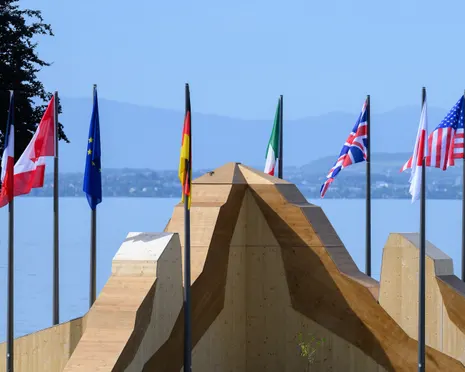
Wanderstayfinder.com – As the G7 summit unfolded in Évian-les-Bains, French President Emmanuel Macron took deliberate steps to align the event’s schedule with the preferences of his most anticipated guest, Donald Trump. The summit, marking Macron’s tenth appearance, was meticulously crafted to present a more favorable image of the agenda, with the hope that Trump would commit to staying the full three days. Yet, the uncertainty surrounding the US leader’s participation looms large. Known for his irregular attendance at such gatherings, Trump’s presence remains a variable, with the potential to either bolster or undermine the summit’s progress.
The previous G7 meeting in Kananaskis, Canada, saw Trump exit early to address the Iran conflict, a pattern that raises questions about his focus this time. While Iran might again capture his attention, the event’s organizers are aware that Trump’s inclination to critique the summit’s host could resurface. Last year, he described Macron as “publicity seeking,” a remark that has not been forgotten. Despite this, Macron has chosen to remain composed, even adjusting the summit’s timeline to accommodate Trump’s 80th birthday celebration, which includes a UFC event on the White House lawn.
Macron’s efforts to retain Trump’s presence extend beyond logistical flexibility. A private dinner in Versailles on Wednesday night is being offered as an incentive, a gesture that French officials believe could sway Trump’s decision. They cite the US president’s fondness for the palace’s opulence and assert that mutual respect between the two leaders is still intact. However, the outcome remains uncertain. Reports from Washington suggest Trump’s mood is less celebratory than it appears, with a tendency to criticize his counterparts for not aligning with his strategy to reopen the Strait of Hormuz through military action.
Economic Pressures and Global Implications
The economic ramifications of the Iran conflict have become a central concern for the G7 nations. The World Bank recently revised its global growth forecast, lowering the annual projection from 2.9% to 2.5%, the lowest level since the onset of the Covid-19 pandemic. This downward revision underscores the widespread impact of the war, particularly on the world’s poorest populations. Rising commodity prices, projected to increase by 22%, threaten to exacerbate food and fertilizer shortages, putting additional strain on already overburdened economies. The Bank of Japan’s expected interest rate hike to a 31-year high further highlights inflationary pressures, as wholesale prices have surged to their fastest rate in three years.
Europe’s central bank, too, has signaled its response to inflation, raising rates for the first time since 2023. French central bank governor Emmanuel Moulin, Macron’s former chief of staff, warned of “persistent” inflation, a forecast that aligns with the sharp rise in container shipping rates since the war began. These increases, he notes, are unlikely to ease soon, compounding the financial challenges faced by nations. The French foreign ministry has highlighted the vulnerability of the world’s most disadvantaged communities, emphasizing that soaring food and fertilizer costs could cripple essential programs like school feeding and healthcare initiatives.
Meanwhile, Trump’s focus on the Iran conflict has not been without controversy. His decision to prioritize this issue over broader G7 discussions has drawn criticism from other leaders, including German Chancellor Friedrich Merz, who called the Iran war a “US humiliation.” The summit’s agenda now includes navigating Trump’s potential backlash against European unity, particularly as the Franco-German FCAS fighter-jet project stalls, weakening the bloc’s credibility on defense. The recent resignation of UK Defence Secretary John Healey also points to Britain’s fiscal constraints, adding another layer of complexity to the negotiations.
“You know what I really love. I love the inflation,” Trump remarked during a recent interview with Fox News, a statement that has sparked debate over his economic priorities. While he claims oil prices have not risen as much as anticipated, the data paints a different picture, with inflationary trends affecting multiple sectors. Macron, though, has remained undeterred, leveraging his diplomatic acumen to steer the conversation toward shared goals.
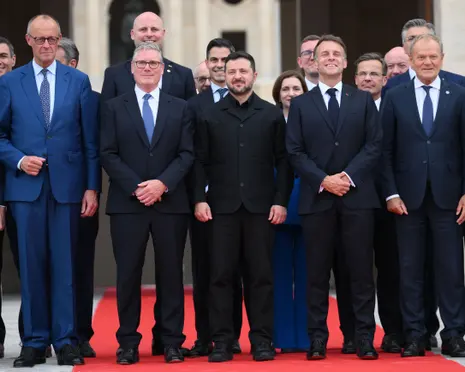
Amid these economic and political challenges, Macron is pushing for a greater European role in addressing other global crises, notably the conflicts in Ukraine and Gaza. He argues that Europe, not the United States, has been the primary force in preventing Ukraine’s financial collapse. Ukrainian President Volodymyr Zelenskyy’s attendance on Tuesday is expected to reinforce this point, as recent military advances may allow him to assert that his country still holds significant strategic advantages. However, the human cost of the war remains stark, with May’s civilian death toll in Ukraine reaching its highest level since the conflict began.
As the summit progresses, the interplay between Trump’s ambitions and the collective interests of the G7 will be a defining factor. Macron’s ability to balance the US president’s moods with the needs of his allies could determine the outcome of critical discussions on trade, energy security, and global stability. The French leader’s strategy is not just about retaining Trump’s attention but also about reasserting Europe’s influence in a world where US leadership is increasingly questioned. Whether the summit will achieve its objectives or be overshadowed by Trump’s unpredictable interventions remains to be seen.
The G7’s economic and geopolitical stakes are vast, and Macron’s diplomatic maneuvering is a testament to the challenges of hosting such a high-profile event. With the world economy teetering and global tensions rising, the summit’s success hinges on the ability of leaders to find common ground despite divergent priorities. As the days unfold, the interplay of personalities, economic data, and strategic goals will shape the legacy of this gathering, leaving a lasting impact on international cooperation and policy-making.