At least 44 dead after overcrowded ferry capsizes on Lake Kariba in Zimbabwe

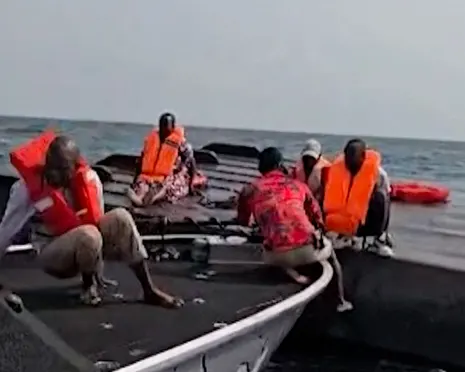
Table of Contents
Tragedy on Lake Kariba: Ferry Overturns in Stormy Waters, Claiming Dozens of Lives
Wanderstayfinder.com – A devastating maritime accident has struck Zimbabwe’s Lake Kariba, where an overloaded vessel capsized amid rough conditions, leaving at least 44 people dead. The incident occurred on Tuesday when the ferry encountered severe waves while navigating the vast freshwater body that straddles the border between Zimbabwe and Zambia.
Overcrowding and Stormy Conditions
Emergency officials confirmed that the vessel had been designed to carry 90 passengers but was transporting significantly more people on the day of the disaster. Ticket records revealed 114 adult travelers aboard, accompanied by five crew members and an unspecified number of children. A crew member who witnessed the event firsthand told the national television network that 153 individuals were on the vessel when it overturned.
The journey had begun smoothly from the lakeshore settlement of Kariba, with the ferry making its way toward remote islands and fishing communities. However, approximately half an hour into the voyage, the vessel started taking on water. Passengers recounted that the boat began listing as it battled increasingly turbulent conditions.
“A few moments later I get over 200 calls about [the ferry] sinking. A sad day indeed.”
These words came from Maxwell Kanhema Page, a media professional who documented the scene from the shoreline. He had observed the lake’s mood shifting dramatically, describing the waters as “angry” just before receiving a flood of emergency calls from concerned residents.
Rescue Operations and Rising Death Toll
Search and rescue teams mobilized quickly following the capsizing. The Civil Protection Unit dispatched a specialized underwater recovery team to the affected area, recognizing that many victims remained submerged beneath the overturned hull. Early Wednesday morning reports indicated 15 confirmed fatalities with 27 individuals still unaccounted for.
Police communications through social media platform X revealed a rapidly evolving situation. Within a 32-minute window on Wednesday afternoon, authorities issued two separate updates. The initial message confirmed 38 deaths, noting that recovery teams had retrieved bodies from the lake. A subsequent update raised the confirmed death count to 44.
Video footage captured by local media showed desperate survivors clinging to the inverted vessel while at least four speedboats worked to reach them. A helicopter hovered overhead, coordinating the aerial rescue effort. The dramatic scenes highlighted both the scale of the tragedy and the challenges faced by rescuers operating in difficult conditions.
A Lake of Historical Significance
Lake Kariba holds a distinguished place among the world’s water bodies. As the largest artificial lake globally by volume, it stretches approximately 150 miles along the Zimbabwe-Zambia frontier. The reservoir came into existence during the 1950s under British colonial administration when engineers dammed the Zambezi River to create this massive water storage facility.
The construction project required significant human sacrifice. Approximately 57,000 residents were displaced from their ancestral lands to make way for the rising waters. Despite this displacement, the lake has become essential to regional development, providing electricity to at least one-third of both Zimbabwe and Zambia’s power needs through the Kariba Dam.
“The lake was ‘angry’.” — Maxwell Kanhema Page, media practitioner
Recurring Maritime Hazards
While Lake Kariba serves as a vital transportation corridor and economic lifeline, it has proven dangerous for watercraft. The lake’s weather patterns can shift rapidly, creating treacherous conditions for vessels of all sizes.
History records several significant incidents. In 2014, tragedy struck Zambia’s portion of the lake when a ferry carrying passengers to independence day celebrations capsized, drowning 26 people, including 24 children. More recently, Zimbabwe experienced multiple maritime accidents: five fatalities occurred in 2021, while three people were feared dead following a capsizing in October 2023. Interestingly, just one month before the October 2023 incident, a police vessel overturned without any casualties.
Community Impact and Ongoing Recovery
The ferry disaster has sent shockwaves through communities that depend on Lake Kariba for transportation, fishing, and tourism. Many residents travel regularly between the mainland and island settlements, making the lake an essential artery for daily life. The loss of so many lives represents not only a human tragedy but also a blow to families and communities across the region.
Recovery operations continue as teams work to retrieve remaining victims and identify those still missing. The incident has renewed calls for improved safety measures on the lake, including stricter enforcement of passenger limits and better weather monitoring systems for ferry operators.
As the community mourns, the lake remains a place of both beauty and peril, a testament to the delicate balance between human progress and nature’s unpredictable power. The tragedy serves as a somber reminder of the risks inherent in life along this magnificent waterway.
Related Reading
Frequently Asked Questions
What is At least 44 dead after overcrowded?
At least 44 dead after overcrowded is the main topic of this guide. The article explains the context, practical details, and next steps readers should understand.
Why does At least 44 dead after overcrowded matter?
At least 44 dead after overcrowded matters because readers are looking for a useful answer, not just a short summary. Good content should match search intent and help them decide what to do next.