Remote Grand Canyon lodge hit by deadly flash flood boasts fabled history

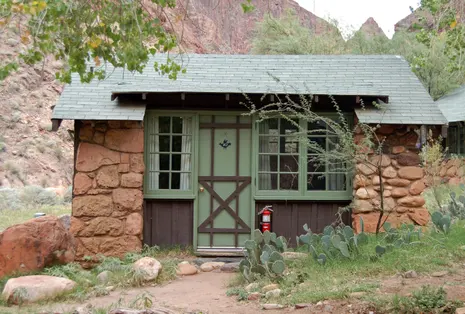
Table of Contents
Flash Flood at Grand Canyon’s Phantom Ranch Leaves Two Dead, Dozens Rescued
Wanderstayfinder.com – A sudden wall of water surged through Bright Angel Creek on Saturday afternoon, sweeping through the canyon floor and trapping more than 60 people at the base of the North Kaibab Trail. Helicopters were dispatched to airlift survivors out of the isolated stretch, where the only shelter for over a century has been a small cluster of cabins perched along the creek’s banks. Two fatalities were confirmed in the aftermath, nearly 80 individuals were pulled to safety, and one person remained missing as of the latest updates.
The incident struck at the lowest accessible point in one of the most dramatic landscapes in the United States — a place where the Colorado River carves its way through rock that rises more than a vertical mile to the rim above. For visitors who have spent days descending dusty switchback trails, the canyon floor represents both the culmination of a grueling trek and a zone of genuine, unforgiving danger.
The Evacuation and Its Scale
The North Kaibab Trail descends 14 miles from the less-visited North Rim to the river corridor. When the flood hit, hikers and lodge guests found themselves cut off from any overland escape route. Aerial evacuation became the only viable option, and crews worked through the afternoon and into evening to extract everyone still stranded below the rim. The sheer remoteness of the location — no roads, no cell coverage, no quick overland exit — turned what might have been a manageable weather event into a life-or-death scramble.
A Century of Refuge at the Canyon’s Floor
Phantom Ranch occupies a site with deep roots in the canyon’s history. Indigenous peoples had inhabited various sections of the Grand Canyon for thousands of years before most were displaced from the area. In 1908, President Theodore Roosevelt designated the canyon a national monument, and in 1913, during a hunting expedition, he established a temporary camp on the very ground where the lodge now stands. The surrounding region was formally designated a national park in 1919, and the ranch itself opened its doors in 1922, taking its name from one of the many side canyons that lace the Grand Canyon’s interior.
From its earliest days, the property attracted figures of considerable renown. The future King Gustaf VI Adolf of Sweden arrived by mule train in 1926, one of the lodge’s most prominent early guests. Decades later, in 1967, then-Senator Robert F. Kennedy spent a night at the ranch after completing a 90-mile rafting run down the Colorado River from Lake Powell, traveling east to west through the towering walls of the canyon with family and companions.
Today the lodge serves river runners, mule riders, and the small number of hikers who complete the seven- or eight-mile zig-zag descent along the South Kaibab or Bright Angel trails. Those who make it to the bottom cross footbridges spanning the Colorado River and arrive at a place where the nearest amenities are communal dining tables, a rudimentary bed, and the creek itself for cooling blistered feet after a punishing descent.
Why the Canyon Floor Remains a Hazard
For the hundreds of thousands who merely peer over the South Rim — past gift shops, visitor centers, and restaurants — the river below is invisible. The ranch is a speck, if visible at all, more than a mile straight down. But those who actually descend the trails know that the canyon floor operates under different rules. Heat, dehydration, and sudden flooding are the primary threats; the resident mountain lions, rattlesnakes, and scorpions are secondary concerns by comparison.
The National Park Service has long described flash flooding as an inherent risk throughout the canyon. Creek tributaries that plunge steeply into the Colorado can swell within minutes when rain falls on the surrounding plateaus, transforming a gentle stream into a roaring torrent. That is precisely what occurred along Bright Angel Creek on Saturday.
The Wildfire Factor
The danger was compounded by conditions set in motion the previous year. The Dragon Bravo wildfire scorched significant portions of the North Rim, stripping vegetation that would normally slow runoff and stabilize slopes. In response, the North Kaibab Trail was closed from July through March of the current year. In February, park officials issued an additional advisory noting
“the elevated potential for flash flooding and debris flows in the Bright Angel Creek watershed”
That warning, tied directly to the wildfire’s aftermath, underscored a risk that had already been present for decades. The combination of burned terrain, steep topography, and a creek feeding directly into one of the largest rivers in North America created conditions in which a relatively brief rain event could produce catastrophic flooding within minutes.
What Comes Next
The full extent of structural damage to the lodge and its surrounding infrastructure remains to be assessed. The single missing person continues to be sought, and questions about trail access, lodge reopening, and long-term watershed management will follow in the weeks ahead. For a place that has served as a waypoint for explorers, presidents, senators, and monarchs for over a century, the Saturday flood is a stark reminder that the canyon’s most celebrated refuge remains, ultimately, at the mercy of the water that carved it.
Related Reading
Frequently Asked Questions
What is Remote Grand Canyon lodge hit by deadly?
Remote Grand Canyon lodge hit by deadly is the main topic of this guide. The article explains the context, practical details, and next steps readers should understand.
Why does Remote Grand Canyon lodge hit by deadly matter?
Remote Grand Canyon lodge hit by deadly matters because readers are looking for a useful answer, not just a short summary. Good content should match search intent and help them decide what to do next.