Workers at Risk as World Cup Confronts Sweltering Heat Conditions
Wanderstayfinder.com – With the World Cup officially underway, concerns are mounting over the potential health impacts on the thousands of laborers essential to the event’s success. Labor advocates and researchers have raised alarms about the extreme heat that could jeopardize workers, emphasizing the need for immediate safeguards. Jonathan Alingu, co-executive director of Central Florida Jobs With Justice, warned that the sweltering conditions might lead to serious injuries or even fatalities. “It’s going to be extremely hot,” Alingu said, “and if we don’t protect people, we’ll face a significant number of heat-related illnesses. If the situation gets worse, it could be catastrophic.”
Historical Context and Climate Trends
The tournament spans 16 host cities, including 11 across the United States, a number that has increased from previous iterations. Southern locations like Miami, Houston, Dallas, and Atlanta are particularly vulnerable, as temperatures are projected to surpass 85°F during match days—some could even exceed 90°F. This is not an isolated event; since the last World Cup in North America, global temperatures have risen by over 1°F, intensifying the threat of heat exposure. Heat, known as the deadliest form of extreme weather, has already claimed lives in past tournaments, and this year’s games could surpass the record-breaking heat of the 1930 inaugural edition.
Study Reveals Vulnerable Work Conditions
A recent study published this week has underscored the risks facing workers in varied roles. Led by Andrew Grundstein, a geographer and climatologist at the University of Georgia, the research analyzed historical weather patterns alongside wet-bulb globe temperatures, which measure heat stress by combining temperature, humidity, and wind speed. “If you think about the delivery personnel, law enforcement, and those managing concessions or tickets, they’re all part of a complex network exposed to heat-related dangers,” Grundstein explained. The study found that workers in Southern host cities face the highest risk, but even cooler locations must prepare for unusually high temperatures.
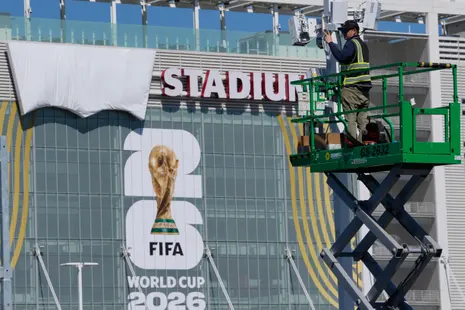
Key factors influencing heat exposure include working conditions. Stadiums without air conditioning—such as venues in Miami, New York, Philadelphia, and Kansas City—could pose greater threats. Workers carrying heavy equipment, performing physical tasks like construction or field maintenance, or wearing additional layers like mascot costumes may be more susceptible to heat illness and injury. Additionally, security personnel who spend extended periods under direct sunlight are at elevated risk, according to the research team. “The combination of physical exertion and environmental factors creates a perfect storm for heat-related health issues,” the study’s authors noted.
FIFA’s Safeguards and Implementation Challenges
While FIFA does not directly regulate employment conditions, it can influence safety through host-city agreements, venue requirements, and contractor standards. “FIFA has the opportunity to advocate for better practices,” said Margaret Morrissey-Basler, a senior adviser at the University of Connecticut’s Korey Stringer Institute and co-author of the study. “It’s important for local governments and organizers to ensure these protections are in place.”
To mitigate the worst effects of heat, FIFA has scheduled many matches for late afternoon and evening slots. Venues will also incorporate cooling measures such as shaded areas, misting systems, and expanded water distribution. Furthermore, the organization plans to implement work-rest schedules, deploy trained medical staff at every match, and monitor weather conditions in real time. A task force of heat experts will oversee these efforts, according to a spokesperson. “Climate-related risks are integrated into overall planning,” the spokesperson stated, “and we work closely with host cities, stadium authorities, and national agencies to manage them.”
Despite these measures, experts argue that their effectiveness hinges on how they are executed. Jordan Barab, a former deputy assistant secretary of labor at OSHA, highlighted that the tools to protect workers against heat-related illness and death have been known for decades. “It’s not difficult or expensive to implement these precautions,” Barab said. “Yet, many employers still overlook them, leaving workers to suffer or even lose their lives.”
Call for Comprehensive Worker Protections
The study’s findings reinforce the urgency of adopting proactive strategies. “Workers in construction, maintenance, and service roles are often the first to feel the impact of extreme heat,” Morrissey-Basler added. “We must ensure they have access to shade, water, and regular breaks, especially during the peak hours.”
While FIFA’s efforts are commendable, labor advocates stress that more needs to be done. “The tournament is a chance to set a precedent for worker safety in extreme weather,” said Alingu. “If we don’t act now, the consequences could be severe.”
Heat illness can manifest in various ways, from dehydration and dizziness to heatstroke and cardiac arrest. Workers in high-heat environments must be monitored closely, given the increased likelihood of complications. The study also recommends adjusting work schedules to align with cooler periods of the day and providing personal protective equipment tailored to the climate. “Even a small investment in heat mitigation can save lives,” Grundstein emphasized.
As the tournament progresses, the challenge will be to balance the excitement of the games with the well-being of the labor force behind them. With forecasts indicating persistently high temperatures, the need for robust protections has never been more critical. “We hope that FIFA and its partners will follow through on all the measures they’ve promised,” said Barab. “Otherwise, the workers who make this event possible will bear the brunt of the heat.”
Global Implications of Local Conditions
The World Cup’s heat challenges reflect a broader trend in climate-related labor risks. As global temperatures continue to rise, events held in warmer regions will increasingly test the resilience of workers. The study’s authors caution that without comprehensive planning, the consequences could extend beyond the tournament. “This is a warning for future events, not just the World Cup,” Morrissey-Basler said. “We need to adapt our practices to the changing climate.”
For now, the focus remains on the immediate risks. With temperatures forecast to remain above normal, the responsibility falls on host cities and organizers to prioritize worker safety. “The health of the labor force is directly tied to the success of the tournament,” Grundstein noted. “If we neglect their needs, we risk more than just a few injuries—we risk undermining the entire event.”
The debate over worker protections continues, with calls for stricter regulations and greater accountability. As the World Cup unfolds, the real test will be whether these measures are implemented effectively, ensuring that the human cost of the games is minimized. “We’ve seen the consequences of inaction before,” Barab said. “This year, we must not repeat them.”