Archbishop of Canterbury Vows to Support £100m Enslavement Pledge
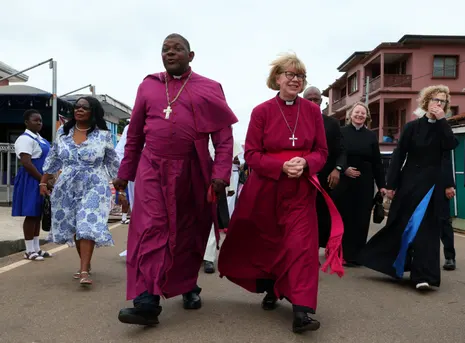
Wanderstayfinder.com – During a pilgrimage to Cape Coast Castle in Ghana, the Archbishop of Canterbury reaffirmed her commitment to a £100 million fund designed to help communities affected by historical enslavement. Sarah Mullally spoke at the historic fortress where thousands of Africans were held before being transported across the Atlantic Ocean. She expressed sorrow over the Church of England’s past involvement in the transatlantic slave trade and emphasized the importance of taking concrete action.
A Journey Through West Africa
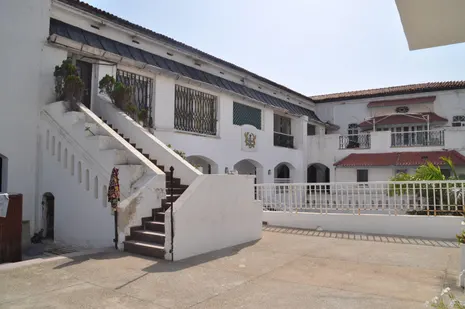
Mullally’s visit to Cape Coast Castle formed part of a ten-day tour through Ghana and Cameroon, arranged at the invitation of Archbishop Cyril Kobina Ben-Smith, who leads the Anglican church’s western African province. The seventeenth-century stronghold was originally built by Swedish merchants before coming under Danish and Dutch control. British forces captured the castle in 1664, and it has since become a powerful symbol of the slave trade era.
Being at Cape Coast castle today and seeing the horrific conditions that thousands of people were kept in, it is impossible not to feel the weight of the immense evil that drove the transatlantic slave trade,
Mullally remarked while visiting the underground chambers where enslaved individuals were confined. Visitors were then guided through the dungeons before prayers were held in a former Anglican chapel situated above them. The archbishop also toured the “Door of No Return,” the historic gateway through which captives were transported onto vessels bound for the Americas. This portal has since been renamed the “Door of Return” to reflect a new era of reconciliation.
The journey began in Accra, Ghana’s capital city, located approximately 90 miles east of Cape Coast. During her time there, Mullally attended four neighborhood parishes and delivered a sermon during a special Eucharistic celebration at St Joseph the Worker Anglican church within the Kaneshie district. Local media reported that an entirely female clergy team from the Anglican church of Ghana conducted the service.
Mullally, who assumed leadership of the 492-year-old denomination in March as its 106th head and first female archbishop, also held meetings with Ghanaian President John Mahama during the tour. Her husband, Eamonn Mullally, accompanied her throughout the travels, supporting her in this significant diplomatic and spiritual mission.
Reparative Justice and Community Investment
Ghana has experienced increased visitor numbers since the government introduced the Year of Return initiative in 2019, aiming to help Africans and their descendants reconnect with ancestral heritage. During her visit, Mullally placed a foundation stone for a hostel connected to the local church’s culture resort program, intended to house pilgrims from the diaspora interested in participating in the scheme.
The archbishop also addressed a congregation exceeding 1,000 nurses in Mampong, where she inaugurated a new campus clinic bearing her name. On Friday, she traveled to Yaoundé, Cameroon’s capital, with plans to continue to Douala and the English-speaking urban centers of Buea and Limbe.
Ghana has been leading international efforts toward reparative justice, recently hosting a significant conference featuring more than 80 heads of state. The archbishop’s arrival follows three years after her predecessor, Justin Welby, issued a formal apology regarding the church’s involvement in the transatlantic slave trade, including utilizing a fund for impoverished clergy to invest in enterprises that enslaved Africans.
It is a stain on the wider church that some Christians did not see their brothers and sisters as created in the image of God, but as objects to be exploited,
Welby stated at the time. The church established the £100 million fund dedicated to “a programme of investment, research and engagement” within communities impacted by slavery, generating varied responses. An independent oversight committee previously argued that the sum failed to adequately address generational harm caused by slavery and recommended expanding the commitment to £1 billion.
When Mullally took office, a group of Conservative Members of Parliament encouraged her to allocate the funds toward clergy salaries. Nevertheless, on Thursday, the archbishop renewed her dedication to the original fund, emphasizing that repentance requires meaningful action.
We played a part in the transatlantic slave trade … part of the Christian belief in repentance is about action, so we are putting in place action to support those communities that feel the legacy of the slave trade,
She explained. Across Ghana, reactions have been predominantly positive. During a Wednesday visit to the Asantehene’s palace in Kumasi, home to the traditional ruler of the Asante people, Mullally donned a distinctive cassock and cape adorned with kente cloth, earning approval from local leaders and community members alike.
Frequently Asked Questions
What is the £100 million pledge mentioned in this article? The £100 million pledge is a fund established by the Church of England to support communities impacted by historical enslavement through investment, research, and engagement programs.
Why is the Archbishop of Canterbury visiting West Africa? Sarah Mullally is touring Ghana and Cameroon to strengthen ties with the Anglican church in western Africa and to demonstrate her commitment to reparative justice for communities affected by the transatlantic slave trade.
What is Cape Coast Castle’s significance? Cape Coast Castle is a seventeenth-century fortress where thousands of enslaved Africans were held before being transported across the Atlantic. It serves as a powerful symbol of the slave trade era and a place of reconciliation.
How does this visit relate to previous apologies? This visit follows three years after Archbishop Justin Welby issued a formal apology regarding the Church of England’s involvement in the transatlantic slave trade, including utilizing clergy funds to invest in enterprises that enslaved Africans.