Australia Confronts New Chapter as Bird Flu Spreads Locally Among Wildlife
Wanderstayfinder.com – Authorities have confirmed that Australia is experiencing a significant milestone in its battle against the deadly H5N1 avian influenza strain. On Wednesday, officials announced that local transmission of the highly virulent virus has been detected within the country’s borders, marking a pivotal moment for wildlife conservation efforts across the continent.
“We have had what is suggestive of local transmission for the first time,” federal minister for agriculture, fisheries and forestry Julie Collins stated during a Wednesday afternoon press briefing. This announcement followed the identification of eleven new suspected cases among South Australian bird populations, including four separate detections on Kangaroo Island alone.
The agriculture minister emphasized that this development, while disappointing, was entirely foreseeable given Australia’s status as the last continent to register H5 bird flu cases. “We will expect to see increased evidence and deaths of wildlife … given there has been some local transmission,” Collins explained, acknowledging that the situation represents a natural progression of the virus’s spread.
Tracking the Outbreak Across South Australia
South Australian authorities reported the eleven new suspected detections primarily among greater crested terns in the state’s southeastern region. This brings the national tally to twenty-seven confirmed detections across Australia. The Consultative Committee on Emergency Animal Diseases, which includes representatives from federal, state, and territory governments, convened on Wednesday to assess the situation.
Committee members agreed that local transmission had indeed occurred between several resident greater crested terns in South Australia. Dr Beth Cookson, Australia’s chief veterinary officer, provided additional clarity through genetic sequencing analysis, which revealed that all confirmed cases identified to date trace back to sub-Antarctic strains of the virus.
Clare Scriven, South Australia’s minister for primary industries, expressed that the development was “concerning but not unexpected.” She noted that officials had long anticipated the virus would eventually spread once it arrived on Australian shores, pointing out that bird flu has expanded across every other continent worldwide.
Wildlife at Risk: Sea Lions and Beyond
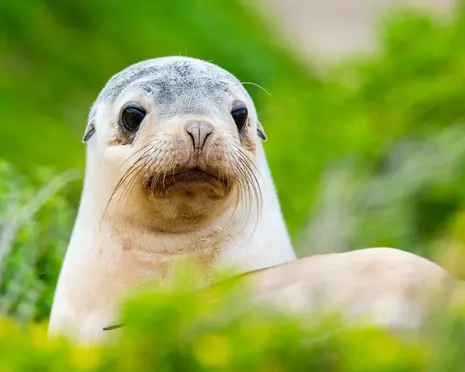
One particularly alarming detection occurred at Seal Bay on Kangaroo Island, which houses the nation’s third-largest Australian sea lion population. Conservation experts have voiced serious concerns about the potential impact on this vulnerable species.
Alexia Wellbelove, campaigns director at the Australian Marine Conservation Society, described Australian sea lions as being “now on the frontline of the potential wildlife crisis.” The statistics paint a sobering picture: approximately eighty percent of the Australian sea lion population resides in South Australia, and this endangered mammal has experienced a sixty percent population decline over the past four decades, leaving roughly twelve thousand individuals remaining.
Wellbelove drew attention to international precedents that suggest Australia could face similar devastation. “In South America, this virus killed 30,000 sea lion pups in just six months following transmission from birds to marine mammals,” she reported. “On our own Heard Island, it killed more than 13,000 elephant seal pups in a single season … we now have to face the very real possibility of similar devastation here at home, in a species already teetering on the edge.”
In response to these concerns, Scriven announced that on-beach tours at Seal Bay have been temporarily suspended. This precaution aims to maintain separation between visitors and the “very vulnerable” animal population while minimizing the risk of infection spread.
Government Response and Future Outlook
When asked what can be done to mitigate the impact, Dr Cookson offered a candid assessment: “We do know from the overseas experience that once the virus becomes more widespread in wild bird populations it will not be possible to avoid losses in susceptible wildlife in the natural environment.” She noted that authorities had been anticipating H5N1’s arrival through migratory birds for several years.
The federal government has committed substantial resources to the response effort. Collins revealed that more than $113 million has been invested in preparation for the virus’s arrival, with an additional $24 million recently released in collaboration with states and territories.
Without naming specific species, Cookson confirmed that the government is implementing “a number of actions in high-priority conservation species, including site- and species-specific planning.” Additional measures include protecting captive breeding populations and strengthening farm biosecurity protocols to limit contact between wild birds and poultry.
Organizations such as the AMCS and the Invasive Species Council are urging the federal government to establish a $200 million national wildlife resilience fund dedicated to emergency protection and recovery for the most at-risk species.
Importantly, no H5 detections have been recorded in Australia’s poultry or agricultural industries to date. Collins reassured the public that “the risk to human health remains low” despite the growing wildlife concerns.
As Australia continues to monitor the situation, officials remain focused on surveillance efforts to confirm where the virus is circulating and to reduce impacts where possible. The coming months will be critical in determining the full extent of the outbreak’s impact on the continent’s unique wildlife populations.
Related Reading
Frequently Asked Questions
What is Bird flu is spreading locally and Australia?
Bird flu is spreading locally and Australia is the main topic of this guide. The article explains the context, practical details, and next steps readers should understand.
Why does Bird flu is spreading locally and Australia matter?
Bird flu is spreading locally and Australia matters because readers are looking for a useful answer, not just a short summary. Good content should match search intent and help them decide what to do next.