Hundreds of sea turtles are stranded in Cape Cod each year. An ‘amazing network’ has mobilized to help

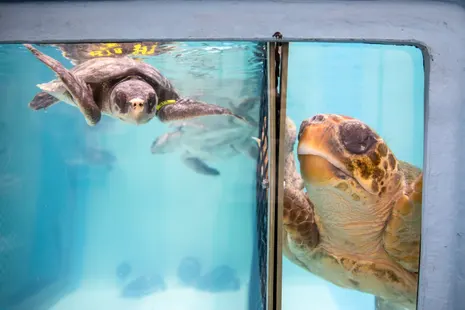
Table of Contents
Climate Change Creates a Crisis for Cape Cod’s Sea Turtles
Wanderstayfinder.com – On a chilly December morning, a greenish-gray Kemp’s ridley turtle arrived at the New England Aquarium’s Sea Turtle Hospital nestled inside a banana box. This particular patient, identified as number 471 and affectionately called “Lucky” by the dedicated team of conservationists, interns, and volunteers, represents one of hundreds of endangered sea turtles that have become stranded along Cape Cod’s shores each year. Now, after months of careful rehabilitation, Lucky stands among the final patients of the season, preparing for an eventual return to open waters.
A Growing Rescue Mission
The annual rescue effort has expanded dramatically over the past two decades. Scientists attribute this tenfold increase in stranded turtles to global heating, which has transformed Cape Cod from a seasonal stop into a potential trap for marine reptiles. Last November and December alone, 473 turtles were discovered “cold-stunned” on the Cape’s beaches—a condition where extreme hypothermia leaves the animals seemingly lifeless on the sand.
Lucky, still too young for experts to determine whether it is male or female, has remained at the hospital since that December 1 arrival. The 18-inch-long reptile underwent extensive rehabilitation, including radiographs, fluid injections, and antibiotic treatments for pneumonia caused by breathing cold ocean spray. Many of these turtles arrive dehydrated and malnourished after spending extended periods in increasingly warm waters before being caught by sudden cold snaps.
471 is in good shape, noted the aquarium’s senior veterinarian Kathy Tuxbury, who carefully examined the surgical scar on Lucky’s left flipper and probed lumpy spots on its shoulders. If the animal is still stable and doing well after 30 days off antibiotics, then we’re good to go, she explained. The turtle will undergo a pre-release evaluation before joining the annual migration of the endangered species in late August or early September.
The Geographic Trap
The Gulf of Maine, stretching along most of New England’s coastline, ranks among the world’s fastest-warming ocean regions. Kara Dodge, a research scientist who has studied New England sea turtles for two decades, describes these reptiles as similar to human “snowbirds” who migrate seasonally. As waters remain warmer for longer periods, more turtles are drawn to the area’s late summer abundance of food and shelter.
However, the north side of the Cape Cod Peninsula creates a unique geographical challenge. Extending 65 miles into the Atlantic Ocean, the peninsula forms a hook-shaped barrier that traps turtles unable to navigate around it. Their natural instinct drives them southward, but the peninsula’s shape prevents this migration.
If you look at it on a map, it’s a natural, geographic trap, Dodge explained. And, for a sea turtle, their instinct is to swim south. So we’re a hotspot for mass stranding of sea turtles.
The Volunteer Network
During winter months, hundreds of volunteers from the Massachusetts Audubon Wellfleet Bay Wildlife Sanctuary patrol the beaches, searching for turtles in cold shock. While these animals can survive extended periods in cold water, exposure to freezing air on exposed beaches can prove fatal within hours. The volunteer team monitors wind patterns and high tides, sometimes conducting midnight searches with flashlights.
Sometimes they’re walking the beaches at one in the morning into a freezing, cold wind, said Mark Faherty, the Audubon science coordinator. He noted that the group includes dedicated volunteers in their eighties who faithfully patrol some of the longest, most remote stretches of coastline.
Once located, specially trained staff and volunteers carefully load each turtle into a banana box for transport to the hospital. The operation moves up to 30 turtles daily, relying heavily on volunteer drivers who must maintain cool temperatures in their vehicles during transit.
We get them up to the New England Aquarium, mostly via volunteer drivers who have to keep their cars cool, Faherty said. They can’t blast their rock music, you know. You have to maintain sort of a clinical environment in your car.
Recovery and Release
At the hospital, Adam Kennedy, the facility’s director, oversees a careful triage process. Turtles must be warmed gradually and reintroduced to seawater over several days. Medical staff conduct thorough examinations, treating dehydration, malnourishment, and respiratory infections. Lucky has been part of this intensive care regimen since arriving in December, and her recovery progress has been encouraging.
The rising numbers reflect broader environmental changes affecting marine ecosystems worldwide. As ocean temperatures continue to rise, the window for turtle migration shifts, creating new challenges for conservation efforts. The Cape Cod rescue operation now serves as both a critical intervention and a living laboratory for understanding how climate change impacts marine wildlife.
When Lucky and other recovered turtles are finally released, they will rejoin millions of their species undertaking one of nature’s most remarkable journeys. Their survival depends not only on the dedicated work of veterinarians and volunteers but also on addressing the larger forces that have turned Cape Cod from a seasonal haven into a year-round sanctuary for these vulnerable creatures.
Related Reading
Frequently Asked Questions
What is Hundreds of sea turtles are stranded?
Hundreds of sea turtles are stranded is the main topic of this guide. The article explains the context, practical details, and next steps readers should understand.
Why does Hundreds of sea turtles are stranded matter?
Hundreds of sea turtles are stranded matters because readers are looking for a useful answer, not just a short summary. Good content should match search intent and help them decide what to do next.