Trump threatens to declare strait of Hormuz ‘territory of the United States’

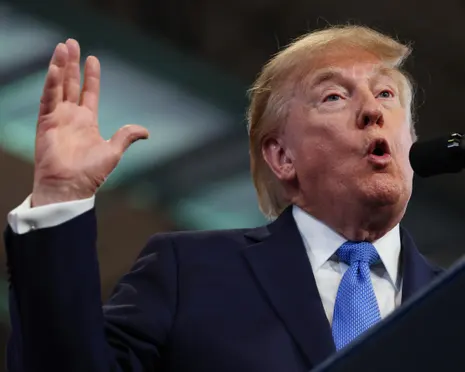
Table of Contents
Trump Threatens to Declare Strait of Hormuz as US Territory
Wanderstayfinder.com – Trump threatens to declare strait of Hormuz as American territory in a bold move that could reshape global energy dynamics. The United States president announced plans to formally designate the critical maritime passage as a possession of the United States during heightened tensions with Iran. This strategic announcement comes as the conflict continues to disrupt international shipping and strain diplomatic relations.
Speaking to law enforcement officials at a Long Island training facility, the president outlined his intention to claim the narrow waterway connecting the Persian Gulf to open waters. The timing aligns with stalled peace talks and ongoing Iranian resistance to reopening the passage, which has faced significant obstruction since hostilities began in February.
Why the Strait Matters
The Strait of Hormuz serves as one of the world’s most vital shipping corridors, carrying approximately twenty percent of global seaborne oil shipments. This narrow channel is essential for Middle Eastern petroleum exports and any disruption immediately impacts international markets and consumers worldwide.
American naval forces currently maintain substantial control over maritime movements in the region. The president emphasized that the United States can regulate passage according to its own interests rather than international norms.
After we finish defeating Iran, which is being very badly defeated, pretty soon I’ll be declaring the Hormuz strait a territory of the United States, Trump said on Friday. Essentially, that’s what it is.
Iran Responds to American Claims
Iranian officials have maintained a firm position regarding the territorial proposal. Kazem Gharibabadi, deputy foreign minister, stated through social media that Tehran would not yield to American pressure or intimidation tactics.
Foreign Minister Abbas Araqchi clarified that Iran has not yet committed to resuming formal negotiations with Washington. He distinguished between informal message exchanges and genuine diplomatic discussions. Meanwhile, separate talks with Oman focus on establishing a navigable route through contested waters.
Tehran would not be intimidated by threats, or a show of force, by the US – and added that the strait of Hormuz would only be opened, or closed, under Iran’s authority.
Economic Impact on American Families
The ongoing conflict has significantly affected American households, with gasoline prices climbing substantially since hostilities began. Working families have absorbed these increased costs while the president frames the financial burden as necessary for national security.
Addressing public concerns about fuel costs, the president defended the administration’s approach by highlighting Iran’s designation as the world’s leading state sponsor of terrorism. He argued that preventing Tehran from acquiring nuclear capabilities justifies temporary economic discomfort for consumers.
When you have to pay a little bit more, you’re at $4, it’s OK, I mean, it’s not. I’ll never apologize. I did the right thing, he added.
What Iran Demands for Resolution
Iran has outlined specific prerequisites for normalizing relations and reopening the strategic waterway. These include American behavioral adjustments, comprehensive compensation for war-related damages, removal of economic sanctions, and unconditional release of frozen Iranian assets.
The American blockade of Iranian shipping and port facilities represents a primary mechanism for applying economic pressure. This strategy aims to constrain Iran’s international trade while signaling American resolve in the confrontation.
Frequently Asked Questions
What is the Strait of Hormuz?
The Strait of Hormuz is a narrow waterway connecting the Persian Gulf to the Gulf of Oman and Arabian Sea. It is one of the world’s most critical maritime passages for oil transportation.
Why is Trump threatening to declare it US territory?
The president believes the strategic importance of the waterway and American naval control justify declaring it as American territory, especially during ongoing tensions with Iran.
How has Iran responded to the territorial claim?
Iranian officials have stated they will not be intimidated and maintain that only Iran has the authority to open or close the strait.
What are Iran’s conditions for reopening the strait?
Iran demands American behavioral adjustments, compensation for damages, removal of sanctions, and release of frozen assets before normalizing relations.