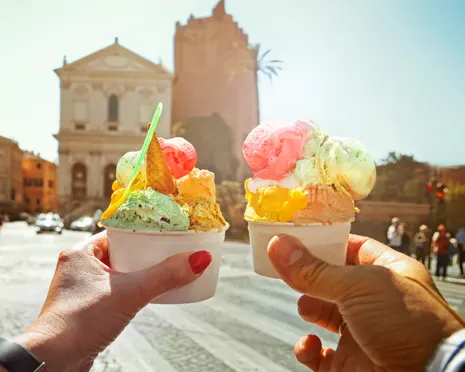
‘Wasn’t even good’: US Tourist Claims €44 for Two Ice Creams in Rome
The Incident at Don Nino
Wanderstayfinder.com – A recent complaint from a U.S. traveler has raised eyebrows among Rome visitors, alleging an overcharge for a simple gelato purchase. Nicole Ann, a Florida-based tourist, shared her experience on a Facebook group dedicated to Rome travel advice, warning others to steer clear of the iconic Don Nino ice cream parlour. Located on a quiet street near Piazza Navona, the establishment reportedly added unexpected costs to her order, leaving her baffled and dissatisfied.
“We stopped for gelato and asked for 2 small cups,” Nicole Ann wrote. “But the server gave us the smallest-sized cup and said we had 3 scoops.” She added, “Then they started adding toppings we didn’t ask for – like cannoli and macarons, implying it was free.”
Nicole Ann insisted she had not intended to order large servings or extra adornments, yet the final bill amounted to €44 (£38). This included two maxi cones at €12 each, €4 for dollops of panna (whipped cream) on the ice creams, two pistachio cannoli priced at €10, and two macarons totaling €6. The total, she claimed, was far beyond what she expected, even after looking back at the receipt. She noted that the server’s mention of €14 seemed reasonable, leading her to believe the charge was fair.
Receipt Details and Pricing Discrepancy
When the Guardian reviewed the receipt, it became clear that the pricing structure at Don Nino could easily lead to confusion. The document listed the two maxi cones as €12 each, which alone accounts for €24. The addition of panna dollops, cannoli, and macarons further escalated the cost. Nicole Ann argued that the server had not clarified the pricing for the toppings, which she described as “free” additions, though the bill suggested otherwise.
According to the receipt, the small cups she ordered were actually classified as “maxi cones,” a term that might not immediately convey the larger size. The panna dollops were charged separately, with each serving costing €4. The cannoli and macarons, though not requested, were added to the order, raising questions about the menu’s transparency. Nicole Ann’s account highlights a possible gap in communication between the staff and customers, particularly for those unfamiliar with the parlour’s pricing system.
Public Reaction and Debate
Nicole Ann’s post ignited a flurry of responses, with over 900 comments from both Italians and international tourists. Some expressed solidarity, sharing similar experiences of being overcharged at Rome’s gelato spots. Others questioned whether the tourist had verified prices before ordering, pointing to the possibility of misunderstanding the menu.
“As an Italian living in Italy, I’m ashamed,” one commenter wrote, reflecting the mixed reactions to the incident. Another user suggested Nicole Ann might not have checked the price list, noting that the menu is often displayed prominently in stores. However, Nicole Ann defended her actions, stating she “didn’t see prices anywhere” and assumed the cost would be comparable to other ice cream shops she had visited during her 10-day trip.
The controversy also sparked discussion about Rome’s gelato culture, which is typically known for its affordability and quality. While some vendors charge around €2-€5 for standard sizes, Don Nino’s pricing appears to be significantly higher, especially for visitors who may not be aware of the menu’s nuances. The Guardian visited the Don Nino branch near Piazza Navona and confirmed the price list was clearly visible, listing one scoop in a small cup or cone at €6, with the price doubling to €12 for three scoops in a large serving.
Don Nino’s Response
Despite the backlash, Don Nino has not issued a formal statement. The company’s website proudly promotes its products as “the authentic taste of quality,” yet the incident has cast doubt on whether the pricing aligns with this claim. A spokesperson for the brand was unavailable for comment when contacted by the Guardian, leaving the matter unresolved.
The controversy has also led to debates about consumer responsibility and transparency in service. Some argue that the staff should have explicitly explained the pricing, especially for tourists who may not be familiar with Italian terminology. Others suggest that the menu’s wording could be more user-friendly, preventing misunderstandings. For Nicole Ann, the experience was not just about the price but the overall quality of the gelato, which she described as the “worst” she had encountered during her visit.
Rome’s Ice Cream Landscape
Rome is renowned for its gelato, a beloved treat that draws visitors from around the world. However, this incident has highlighted the potential for hidden costs in some popular shops. While most gelato vendors charge between €2-€5 for a single serving, Don Nino’s pricing model appears to target higher margins, particularly for larger sizes or premium toppings. This has led to comparisons with other parlours, where the same items are available at more modest prices.
For Nicole Ann, the experience was more than just a financial inconvenience. She described the gelato as “not even good,” emphasizing the disappointment in both the product and the billing. Her story has become a cautionary tale for travelers, reminding them to scrutinize menus and confirm prices before finalizing their orders. The Facebook post has since garnered attention, with some users sharing their own accounts of being overcharged, while others defended the shop’s pricing as reasonable for the quality offered.
The Broader Implications
The incident underscores the challenges faced by tourists in navigating Rome’s diverse food scene. While the city is home to many affordable and authentic gelato spots, the presence of upscale vendors like Don Nino can create a stark contrast. This discrepancy has prompted discussions about how to balance quality with accessibility, ensuring that visitors receive value for their money without unnecessary surprises.
For local businesses, the situation highlights the importance of clear communication, particularly in an international market. Don Nino’s location near Piazza Navona, a bustling tourist area, places it in a position to benefit from high foot traffic. However, the incident suggests that even in such a competitive environment, some establishments may prioritize profit over transparency. As the debate continues, the hope is that Don Nino will address the concerns raised by Nicole Ann and other customers, setting a better standard for its service.
Ultimately, the story serves as a reminder of the fine line between indulgence and overpayment. While Rome’s gelato scene is a highlight for many travelers, incidents like this can leave a lasting impression, influencing perceptions of value and service. For Nicole Ann, the day of her visit remains a memorable, albeit frustrating, chapter in her travel experience. As she put it, the gelato “wasn’t even good,” and the price only added to the disappointment.