Netanyahu Hails Historic Triumph Over Iran, Rejects Immediate Withdrawal from Lebanon
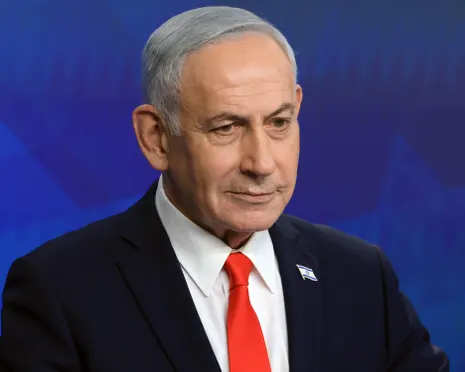
Wanderstayfinder.com – Israeli Prime Minister Benjamin Netanyahu has asserted a significant triumph against Iran, while dismissing the possibility of an immediate pullout from Lebanon. In a televised press conference held on Monday, he emphasized that Israel’s military presence in the region would persist “for as long as necessary.” “We established deep security zones around the state of Israel,” Netanyahu stated, highlighting campaigns in Gaza, Lebanon, and Syria as key components of this strategy. “Our goal is to ensure these zones remain intact to safeguard the nation.”
The US-Iran Agreement and Its Impact on Israeli Security
The recent preliminary agreement between Washington and Tehran has sparked frustration in Israel, with critics questioning Netanyahu’s leadership. Despite the deal, the prime minister maintained that the joint US-Israeli military operation had averted “nuclear annihilation” for his country. “Without this effort, millions of Israelis would have faced mass casualties,” he argued, underscoring the threat posed by Iran’s nuclear ambitions.
“We have pushed away from us, for years, this danger of the annihilation of Israel’s population,” Netanyahu declared, framing the conflict as a necessary measure to protect his nation.
The exact terms of the interim agreement remain opaque, though it appears to include a ceasefire in Lebanon. This follows Israel’s extensive offensive there after Hezbollah’s attacks on northern Israel began the 15-week-long conflict. US officials have reassured Israeli leaders that the withdrawal from Lebanon is not a mandatory condition of the pact with Iran. “Israel retains the right to defend itself against Hezbollah strikes,” they clarified.
Lebanon’s Ceasefire and Ongoing Tensions
Despite the ceasefire agreement, tensions in southern Lebanon have not fully subsided. Sporadic violence continues as Israeli troops maintain their positions in the occupied territory, according to Lebanese and international security analysts. On Monday, an Israeli drone strike targeted the southern town of Kfar Tebnit, killing one individual. In response, Hezbollah claimed it had launched an attack on an Israeli unit advancing in the same area.
Before the strike, Hezbollah had initially praised the US-Iran deal, viewing it as a step toward a comprehensive ceasefire. However, the group’s stance appears to hinge on Israel’s adherence to the agreement. “Hezbollah’s ceasefire terms are conditional on Israel respecting them,” said a spokesperson for the organization, adding that the group would halt its attacks if the deal held.
Israeli Opposition and Political Implications
The interim agreement has drawn sharp criticism from Israeli opposition figures, who argue it weakens the country’s strategic position. With elections approaching before October, political dynamics are expected to intensify. Netanyahu, however, remains resolute, vowing to run in the upcoming vote and secure victory. “Hezbollah’s actions are now a major setback for Israel’s security,” one opposition leader said, accusing the prime minister of allowing “military achievements won through the bravery of our forces to be erased.”
Analysts note that Netanyahu’s alignment with former US President Donald Trump has been a critical factor in Israel’s geopolitical posture. The US-Iran deal, however, has strained this relationship. On Sunday, an Israeli airstrike on Hezbollah targets in Beirut led to a heated reprimand from Trump, who called the attack “reckless.” This incident has raised concerns about the stability of Israeli-US ties, particularly as the deal’s implications shift public and political sentiment.
Historical Context and Unmet Objectives
Netanyahu’s military campaign against Iran has been a cornerstone of his leadership since the conflict began. The prime minister initially promised the deal would lead to regime change in Tehran, the destruction of Iran’s nuclear program, and the dismantling of its ballistic missile capabilities. Yet, despite the ceasefire in Lebanon and the interim agreement, these goals remain unfulfilled. “The war has not delivered the outcomes we envisioned,” one Israeli official admitted, acknowledging the gap between Netanyahu’s rhetoric and the reality on the ground.
The agreement also marks a shift in the balance of power between Israel and its regional adversaries. While the US has positioned itself as a mediator, some Israeli commentators argue the deal indirectly bolsters Hezbollah and other Iranian-backed militant groups. “By allowing Iran to retain its influence in Lebanon, Israel risks emboldening its rivals,” said a political analyst. “This could have long-term consequences for regional stability.”
Global Reactions and Strategic Shifts
Reactions to the interim deal have been mixed globally. While some see it as a diplomatic breakthrough, others warn of its potential to weaken Israeli deterrence. The agreement has averted an immediate barrage of Iranian ballistic missiles, but its long-term effectiveness is uncertain. “The personal relationship between Trump and Netanyahu has suffered, but the broader debate about Israel’s role in US foreign policy is evolving,” noted Neil Quilliam of Chatham House, highlighting the shifting dynamics between the two nations.
Netanyahu’s influence on Trump’s decision to escalate the conflict against Iran has been significant. The prime minister played a pivotal role in convincing the former president to authorize the military campaign. Even so, the interim agreement has been perceived as a compromise, with critics arguing it undermines Israel’s strategic objectives. “Netanyahu’s leadership has always been defined by his willingness to take bold action,” said one observer. “But this deal signals a pivot toward diplomacy at the cost of military dominance.”
Legacy of the Conflict and Future Outlook
As the conflict enters a new phase, its legacy will be scrutinized. Netanyahu’s campaign has showcased Israel’s military prowess, yet it has also exposed vulnerabilities in his strategy. The survival of Iran’s nuclear program and the persistence of Hezbollah’s presence in Lebanon challenge the prime minister’s claims of victory. “The war has achieved tactical successes, but strategic goals remain elusive,” said a military expert. “Netanyahu’s challenge is to maintain momentum while navigating the complexities of international diplomacy.”
With the interim deal in place, the focus shifts to maintaining the ceasefire and preventing further escalation. Israeli forces will continue operations in Lebanon, relying on their close coordination with US counterparts. The agreement, however, has sparked a debate about the future of Israel’s military posture and its relationship with the United States. “The tension between strength and diplomacy is at its peak,” said Quilliam. “Netanyahu’s next moves will determine whether this is a temporary reprieve or a lasting transformation in Israel’s security strategy.”
As the nation prepares for elections, Netanyahu’s ability to rally support for the deal will be crucial. His supporters argue that the agreement secures peace in the region, while opponents warn of its risks. The outcome of the vote could reshape Israel’s approach to future conflicts, potentially altering its role as a regional power. For now, the prime minister remains steadfast, declaring that the victory over Iran is a defining moment for his leadership. “This is not just a military triumph,” he stated. “It is a testament to Israel’s resilience and determination.”