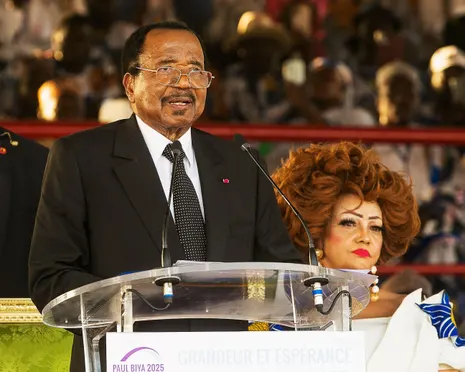
Cameroon’s Elder Statesman: A Month and a Half Without a Word
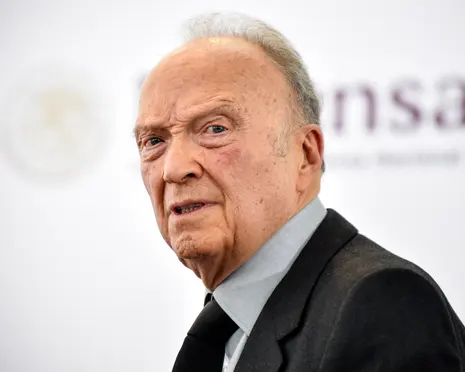
Wanderstayfinder.com – Cameroon has entered uncharted territory as its 93-year-old president, Paul Biya, marks 53 consecutive days away from the nation. This unprecedented stretch has ignited widespread debate among citizens about whether their leader remains alive or has passed away, despite a legal prohibition on public discussion of his medical condition. The former head of state departed for Switzerland on June 7, accompanied by his spouse, Chantal, under the official characterization of a “brief private stay.”
Now approaching the two-month milestone, neither Biya nor the first lady has made any public appearance or issued statements to the Cameroonian people. Since assuming power in 1982 following seven years serving as prime minister, Biya has progressively extended his time abroad, frequently residing at Geneva’s prestigious five-star InterContinental hotel. Yet no definitive schedule has emerged regarding when the president will return to Yaoundé.
Conflicting Official Narratives
Cameroonians find themselves navigating a maze of contradictory government pronouncements. René Emmanuel Sadi, the communication minister, asserted that Biya maintains robust health and continues working remotely from Geneva, where he presently lives. He dismissed alternative reports as “pure fantasy and malicious manipulation aimed at destabilising opinion.”
Jacques Fame Ndongo, a senior official from the ruling party and the higher education minister, said Biya had been “meticulously following the files submitted to him by his aides … wherever he is”.
Meanwhile, labour minister Grégoire Owona offered a distinctly different perspective. He framed the president’s absence as a standard annual leave period, drawing parallels to ordinary citizens. “Paul Biya, elected by the Cameroonian people and paid by them, is a worker who has the right to annual leave,” Owona explained. “His employer is obliged to grant it. He informed his employer before leaving and will do the same upon his return.”
Legal Restrictions and Growing Concerns
Cameroonian authorities instituted a ban on discussing Biya’s health in October 2024 during a previous extended absence. Despite this restriction, local media outlets have recently circulated assertions that the president suffers from serious illness. Social media platforms have seen renewed humor regarding Biya potentially functioning as a work-from-abroad or remote-work president.
Mamadou Mota, vice-president of the opposition Cameroon Renaissance Movement party, characterized the current situation as creating a “glaring institutional vacuum.” He warned that “a country cannot be governed by remote control while critical socioeconomic challenges go unaddressed.”
Election Aftermath and Economic Pressures
Last November, Biya received his eighth consecutive seven-year term, sworn in just one month following a presidential election plagued by widespread allegations of irregularities and voter suppression. While the Constitutional Council rejected post-electoral complaints from opposition parties, numerous groups refused to acknowledge the results, contending that the vote further diminished public trust in Cameroon’s democratic framework.
Notably, Biya has yet to appoint a new government since his latest inauguration. With parliamentary and municipal elections anticipated in early 2027, many observers fear that both the electoral cycle and the president’s prolonged absence could create significant disruptions.
Cameroon stands as central Africa’s largest economy, yet unemployment, elevated inflation, and inadequate public infrastructure hinder opportunities for its youth, who constitute approximately two-thirds of the estimated 30.6 million population. Kohtem Sambit, secretary general of the opposition Movement for Patriotism and People’s Prosperity, criticized the ruling CPDM party for prioritizing power retention over addressing citizen concerns. He highlighted that the economy minister borrowed more than 21 billion Central African francs purportedly with Biya’s approval, questioning how citizens can justify debt incurred by an invisible leader.
Patricia Tomaïno Ndam Njoya of the Cameroon Democratic Union emphasized that the core issue extends beyond constitutional travel rights, focusing instead on the government’s inability to explain why what began as a brief visit has stretched so considerably. Opposition leaders continue calling for impartial procedures to evaluate any potential temporary or permanent incapacity of the president.
Related Reading
Frequently Asked Questions
What is Fifty three days and counting?
Fifty three days and counting is the main topic of this guide. The article explains the context, practical details, and next steps readers should understand.
Why does Fifty three days and counting matter?
Fifty three days and counting matters because readers are looking for a useful answer, not just a short summary. Good content should match search intent and help them decide what to do next.