State Functions, Offices and Tourists: Plans for Revamped Buckingham Palace
State functions offices and tourists – King Charles III has opted not to reside at Buckingham Palace following its £369 million renovation, a decision that signals a shift in royal living arrangements. While the monarchy has long been associated with the iconic residence, the king’s choice to call Clarence House his permanent home reflects a growing emphasis on practicality over tradition. This move is not without precedent; previous monarchs have expressed mixed feelings about the palace’s suitability as a royal residence. Queen Victoria, for example, initially found the building unwelcoming in 1837, describing it as damp, dimly lit, and disorganized when she and Prince Albert first moved in. It was Albert who transformed it into a functional hub for royal governance, effectively rebranding it as “Monarchy HQ.”
Despite Victoria’s initial reservations, the palace became a central institution for royal affairs. After Albert’s death in 1861, however, she preferred to spend her time at Windsor, Balmoral, and Osborne House on the Isle of Wight. This preference highlights a recurring theme in the history of the palace: its role as a backdrop for royal duties rather than a personal haven. Even William IV, Victoria’s uncle, had little affection for the building, favoring Clarence House instead. His aversion to Buckingham Palace was so strong that he attempted to transfer it to parliament when the Palace of Westminster burned down in 1834. Though MPs quickly rejected his offer, the episode underscored the palace’s political and symbolic weight.
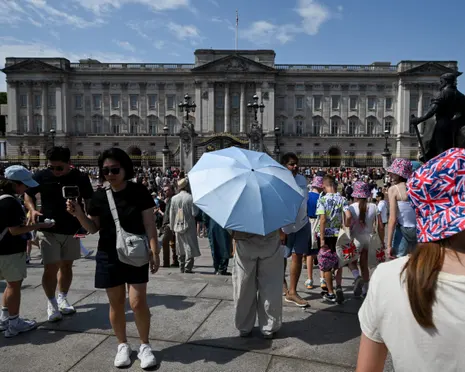
Fast forward to the 20th century, and the palace’s function continued to evolve. Queen Elizabeth II, who once shared her husband Prince Philip’s desire to remain in Clarence House, was compelled to stay at Buckingham Palace by Winston Churchill, her first prime minister. Churchill’s insistence on the palace’s role as the official London residence of the monarchy marked a turning point, ensuring its enduring status. Today, that designation remains vital, drawing over 600,000 visitors annually. The Royal Collection, a trust that manages the palace’s art and artefacts, reported record attendance during the 2024-25 fiscal year, with a particularly popular guided tour of the newly renovated East Wing priced at £93.
Despite the increased visitor numbers, the palace’s primary purpose as a working space for the monarchy persists. State functions such as banquets, royal dinners, receptions, audiences, and garden parties are expected to continue at the site, even as King Charles and Camilla choose to live nearby. The renovation, set to complete next year, aims to modernize the 1950s infrastructure, ensuring the palace remains a vibrant hub for royal operations. Palace staff insist that the couple’s decision to avoid long-term residency will not alter the building’s dynamic character, with the sovereign flag still waving from its flagpole to mark Charles’s presence in the capital.
Historical Context and Royal Preferences
The palace’s history is marked by a blend of royal preference and necessity. William IV’s disdain for Buckingham Palace was notable, as he preferred the more compact Clarence House for his living quarters. This preference for smaller, more manageable residences has echoed through generations, with Prince William and Catherine, Princess of Wales, expressing a similar sentiment. The couple has indicated that Forest Lodge, their home in Windsor, serves as their “forever home,” a choice that aligns with the king’s own inclination to minimize the logistical challenges of relocating.
Charles and Camilla’s decision to forgo permanent residence at the palace also takes into account their age and personal circumstances. At 77 and 78 respectively, the king’s cancer diagnosis adds another layer of consideration to the move. While the couple is accustomed to being surrounded by household staff, the convenience of residing closer to their private quarters in Clarence House appears to outweigh the benefits of living above the office. This arrangement also allows for greater flexibility, as many palace employees reside on-site, creating a close-knit community that supports the royal family’s daily routines.
Historically, the palace’s layout has been a key factor in royal decisions. The building’s 775 rooms include 188 staff bedrooms and 92 offices, a configuration that has shaped the lives of monarchs for centuries. The royal website, which has yet to revise its definition of “official London residence,” acknowledges this balance between public and private life. Charles’s frequent trips between Clarence House and the palace, particularly during the summer when he is at Balmoral, will continue, maintaining the site’s role as a center for state functions and public engagement.
Modern Adaptations and Fiscal Considerations
The upcoming upgrades are not only about aesthetics but also about efficiency. The palace’s plan to repurpose spaces could see teams from St James’s Palace relocating, freeing up room for commercial use in the historic location. This strategy is part of a broader effort to enhance public access while managing the financial demands of maintaining such a grand estate. Palace officials emphasize that the move will streamline operations, allowing the building to serve both as a national monument and a functional administrative center.
While the king’s choice to live outside the palace may seem like a departure from tradition, it is framed as a pragmatic adjustment. The couple’s familiarity with royal life means they are well-equipped to handle the logistical challenges of their new setup. Moreover, the administrative process of relocating is described as “complex but necessary,” with palace aides highlighting the benefits of increased public interaction. The updated infrastructure is expected to make the palace more accessible, particularly during its summer opening period, which may be extended to accommodate the growing demand for visits.
As the renovation progresses, the palace’s dual role as a working space and tourist attraction becomes more pronounced. The East Wing, now a focal point of the site, offers visitors a glimpse into the modernized interiors and enhanced facilities. Meanwhile, the palace’s private quarters—once used by Queen Elizabeth the Queen Mother—will remain a sanctuary for the current monarchs, providing a space for respite and personal time. This balance between public visibility and private comfort is a hallmark of the palace’s continued relevance in the 21st century.
Historical precedents, such as William IV’s attempts to transfer the palace to parliament, illustrate the evolving relationship between the monarchy and its residences. The current plans for Buckingham Palace echo this pattern, blending heritage with innovation. The building’s continued use as a backdrop for world leaders during state visits underscores its status as a symbol of national pride and international diplomacy. Even as the royal family’s presence shifts, the palace remains a testament to the monarchy’s adaptability and enduring legacy.