Rail passengers face second day of chaos across north-west England

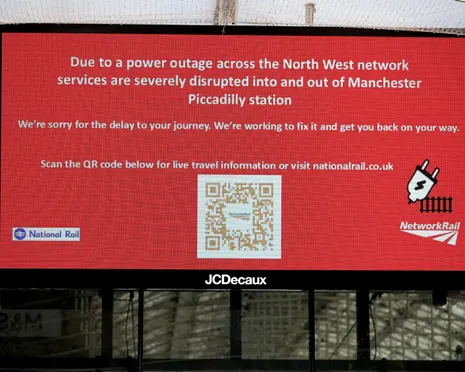
Table of Contents
North-West England Rail Services Struggle to Recover Following Major Signaling Outage
Wanderstayfinder.com – Commuters and travelers across north-west England are enduring a second consecutive day of significant railway disruption after a critical power failure crippled the region’s signaling infrastructure. The outage, which struck shortly before 2pm on Thursday, sent shockwaves through the rail network, triggering widespread cancellations and severe delays across multiple operators. The initial wave of affected services included CrossCountry and London Northwestern Railway trains. However, the ripple effects continued well into Friday morning, with several additional operators still grappling with the consequences. Avanti West Coast, East Midlands Railway, Northern, TransPennine Express, and Transport for Wales all reported ongoing service interruptions as engineers worked tirelessly to restore normal operations.
Extended Recovery Timeline for Passengers
National Rail provided an update this morning explaining that while trains are now technically capable of running, the recovery process remains incomplete. The organization noted that delays could persist until noon as both trains and crew members find themselves in incorrect positions for the day’s scheduled services. “This means that some trains are still expected to be affected this morning. Trains across the Greater Manchester area and north-west of England may still be cancelled in full or revised to only run for part of their normal journey until service is able to fully recover,” the statement read. Specific travel advice has been issued by affected operators. Northern Rail has strongly recommended that passengers avoid traveling before 10am on Friday. Meanwhile, TransPennine Express has advised its customers to prepare for continued disruption throughout the morning, with both delays and cancellations anticipated before midday.
The Signaling Center’s Critical Role
The facility at the heart of this disruption holds particular significance within Britain’s rail infrastructure. The Manchester center that experienced the power failure represents one of twelve operating centers established to eventually manage the entire British rail network. Network Rail confirmed this when the facility first opened its doors in 2014, marking a major milestone in modernizing rail operations across the country. The scale of the impact became even more apparent when National Rail revealed that a wartime bomb had also been discovered near the railway between Tamworth and Burton-on-Trent. This additional complication deepened the disruption on Thursday, compounding the challenges faced by engineers and operators. Chris Wright, Network Rail’s north-west route director, addressed passengers directly regarding the situation. “I’d like to thank passengers for their patience after yesterday’s power outage and the disruption it caused across the north-west. Our engineers worked through the night to restore signalling systems and recover the railway, and I’m pleased that most services are now running this morning.” Wright continued, emphasizing the collaborative effort underway: “While some passengers may still experience disruption, we’re continuing to work closely with train operators to return services to normal as quickly as possible. Anyone planning to travel this morning should continue to check before they travel for the latest information.”
Expert Analysis and Passenger Protections
Andy Bowes-Roden, deputy editor at Modern Railways magazine, provided additional context when speaking to BBC Radio 5 Live. He predicted there would be “quite a lot of disruption this morning easing throughout the day.” “Hopefully by rush hour the service will be back to normal, but it won’t be until tomorrow morning that this will be sorted,” he explained. Bowes-Roden also highlighted the protections available to passengers during such incidents: “As rail passengers, we are lucky. We have protections and the railways are obliged to get us where they promise to get us. But there will be an awful lot of refunds.” The disruption has particularly impacted Greater Manchester, the Midlands, and north-west England, with thousands of passengers unable to complete their journeys as planned. The timing of the outage—occurring during a critical period of the day—meant that stranded passengers faced not only immediate travel challenges but also potential knock-on effects throughout the weekend. For many commuters, the extended disruption represents more than mere inconvenience. The inability to reach workplaces, attend appointments, or complete planned journeys has real economic and personal consequences. With refunds likely to be processed in significant numbers, the financial impact extends beyond individual passengers to the rail operators themselves. The situation underscores the vulnerability of modern rail infrastructure to unexpected failures, even at facilities designed to be robust and reliable. As engineers continue their recovery work, passengers are being urged to remain flexible and to verify their travel plans before heading to stations.
Related Reading
Frequently Asked Questions
What is Rail passengers face second day of chaos?
Rail passengers face second day of chaos is the main topic of this guide. The article explains the context, practical details, and next steps readers should understand.
Why does Rail passengers face second day of chaos matter?
Rail passengers face second day of chaos matters because readers are looking for a useful answer, not just a short summary. Good content should match search intent and help them decide what to do next.