
The country where lethal hantavirus cases are on the rise. Experts blame climate change
The country where lethal hantavirus cases – Argentina has witnessed a sharp increase in hantavirus infections, with the number of confirmed cases nearly doubling over the past year. Health officials reported 101 confirmed instances of the disease this season, a significant jump from the 57 recorded during the same period in 2025. This surge has led to 32 fatalities, marking the highest death toll since 2018 and highlighting a troubling trend in the country’s public health landscape.
Cruise ship outbreak sparks national concern
The recent outbreak aboard the MV Hondius, a cruise ship departing Ushuaia, southern Argentina, on April 1, has drawn attention to the virus’s expanding reach. The vessel is en route to Spain’s Canary Islands, with an expected arrival at Granadilla’s industrial port in Tenerife early Sunday morning. Argentine authorities are investigating the couple who died while on board, as their extensive travel across Argentina’s borders may have contributed to the spread. The couple reportedly visited regions such as Misiones and Neuquén before joining the cruise, raising questions about how the virus moved beyond its traditional habitats.
The Health Ministry confirmed that the outbreak is linked to the Andes strain of hantavirus, a variant known for its severity and potential to transmit between humans in close proximity. While the virus has historically been tied to Patagonia, this season’s cases have concentrated in the central regions, particularly Buenos Aires province, which accounted for 42 infections. This shift underscores the virus’s growing adaptability to new environments.
Environmental factors fuel the spread
Experts attribute the rising incidence of hantavirus to a combination of climate change and habitat disruption. According to the ministry, the current season has seen a 10 percentage point increase in lethality rates compared to the previous year. This trend aligns with broader observations of ecological changes, such as prolonged droughts and sudden rainfall events, which have altered ecosystems and created conditions favorable to rodent populations.
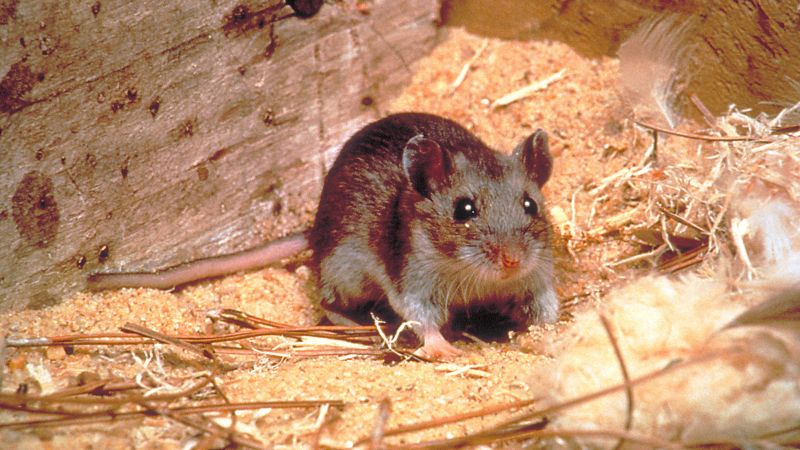
The long-tailed mouse, Argentina’s primary carrier of the virus, has shown increased resilience to environmental shifts. Eduardo López, an infectious disease specialist who advised the government during the Covid-19 pandemic, noted that these rodents are better able to adapt to climate changes, enabling them to thrive in areas previously unexposed to the virus. “The ecological transformations caused by warming temperatures are reshaping the distribution of carriers,” López stated, emphasizing the virus’s potential to spread beyond its traditional range.
Roberto Debbag, vice president of the Latin American Society of Vaccinology, added that human activities, such as urban expansion and deforestation, are compounding the problem. “When people encroach on natural habitats, they bring the virus closer to densely populated areas,” Debbag explained. Forest fires, which have displaced both humans and wildlife, further exacerbate the situation by forcing rodents to migrate toward new regions. Meanwhile, tourism is also playing a role, as travelers may unknowingly introduce the virus to areas with limited prior exposure.
The ministry has launched a comprehensive effort to trace the virus’s movement, including dispatching technical teams to Ushuaia in the Tierra del Fuego province. These experts will collect and analyze rodent samples from locations connected to the Dutch couple’s itinerary. However, Juan Petrina, director of epidemiology for Tierra del Fuego, expressed skepticism about the likelihood of infection occurring in Ushuaia. “The timeline doesn’t align with them contracting the disease here,” Petrina said, suggesting the couple may have been exposed in more endemic regions.
Historically, hantavirus has been most prevalent in Argentina’s Northwest, Northeast, Center, and South regions. These zones, which include provinces like Salta, Jujuy, Tucumán, Misiones, Formosa, Chaco, Buenos Aires, Santa Fe, Entre Ríos, Neuquén, Río Negro, and Chubut, are considered high-risk due to their combination of humidity, crops, and tall weeds that provide ideal conditions for rodents. The 2018 outbreak in Patagonia, which claimed 11 lives, had long been associated with these southern provinces, but the current season’s cases have shifted focus to the central areas.
Climate change and human activity: A dangerous synergy
Climate change has disrupted Argentina’s natural habitats, creating new opportunities for rodents to expand their territories. Warmer temperatures and altered precipitation patterns have affected the availability of food and shelter, leading to population growth in unexpected locations. “The interaction between humans and wild environments is intensifying,” said the ministry, which linked this to the establishment of small urban centers in rural zones. Such developments increase the chances of exposure, as people spend more time in areas where rodents are now more active.
Environmental degradation, including extreme weather events, has also been a critical factor. Droughts have reduced water sources, forcing rodents to seek new habitats, while intense rainfall has flooded fields, creating stagnant pools where the virus can linger. These conditions not only support rodent survival but also enhance the virus’s transmission potential. “The ecosystem is shifting, and the virus is following,” said López, who stressed the urgency of addressing these interconnected threats.
While Ushuaia has not seen hantavirus cases in decades, the current outbreak highlights the virus’s ability to spread rapidly. The region’s unique climate and geography may have once limited rodent activity, but recent changes suggest otherwise. The ministry’s investigation into the couple’s travel route aims to identify whether their exposure occurred in Ushuaia or in another area. If the virus is indeed spreading beyond its historic range, it could signal a broader public health crisis.
Global implications of a local outbreak
The MV Hondius incident has sparked international attention, as the ship’s route connected Argentina to Europe. This raises concerns about the virus’s potential to spread globally through travel. Debbag warned that without intervention, the outbreak could become a recurring issue, especially in regions with high tourist traffic. “Areas not previously affected are now at risk, and the virus can travel with people,” he said.
As Argentina grapples with the situation, the Health Ministry is urging increased vigilance and research. “We must understand how climate change and human activity are interacting to create these new hotspots,” a ministry spokesperson stated. This season’s data will be vital for developing strategies to mitigate future outbreaks, particularly in regions that are becoming more vulnerable due to environmental changes. With the virus adapting to new conditions, the challenge of containing it has never been more urgent.





