
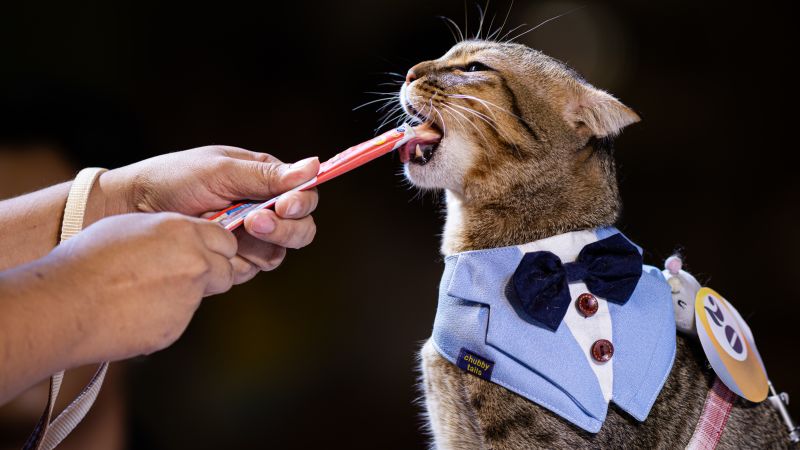
Cats or Dogs? In East Asia, More People Are Becoming Feline Fans
Cats or dogs In East Asia – For decades, the debate between cats and dogs has been a staple of casual conversation. Yet in East Asia, a new consensus is emerging: cats are increasingly outpacing dogs in popularity. This shift is evident across multiple regions, from the self-governing island of Taiwan to the bustling metropolises of Japan and South Korea. The trend, once subtle, now appears to be a cultural transformation, driven by the unique dynamics of urban life and changing social priorities.
The Urban Feline Boom
In cities where space is scarce and schedules are packed, cats are proving to be a more practical choice. Taiwan, for instance, marked a pivotal moment in 2025 when its cat population surpassed that of dogs, according to a government survey. The numbers reveal a striking pattern: from 1.3 million in 2023, the cat count leapt to 1.7 million the following year—a 33% surge. Similar changes have occurred in mainland China, where the cat population overtook dogs in 2021, and Japan, which saw the trend begin a decade earlier. Even in places like South Korea and Hong Kong, where dogs remain more common, the appeal of cats is growing steadily.
Experts suggest that the rise of cat ownership is linked to the challenges of modern urban living. Small apartments, long commutes, and demanding jobs leave little room for the responsibilities of a dog. As one Hong Kong resident, Ellen Chung, noted during an interview at a cat café, “Having a cat is more convenient in a city. You don’t need to take them for walks, and some people are afraid of dogs.” She added, “I think cats are just cuter,” a sentiment that resonates with many in densely populated areas.
Cultural Influences and Historical Context
The cultural narrative surrounding cats and dogs has also evolved. In Japan, the fascination with felines dates back to the 1970s, with the creation of Hello Kitty—a cartoon character that sparked a global phenomenon and generated over $80 billion in revenue. The country’s affinity for cats extends beyond pop culture, as regions like Okinawa and Shikoku have developed “cat islands” where wild feline populations thrive, drawing tourists and fostering a deeper connection to the species.
South Korea’s journey has been more complex. For years, cats were associated with misfortune or negative spiritual symbolism, which kept their adoption rates lower than those of dogs. However, the pandemic disrupted this dynamic. With lockdowns limiting outdoor activities and forcing people to spend more time indoors, cats became a preferred companion. According to a 2025 report by KB Financial Group, the number of pet cats in South Korea has risen sharply, reflecting a growing appreciation for their low-maintenance nature.
Meanwhile, in China, the shift toward cat ownership is tied to the country’s rapid urbanization. As young people migrate from rural areas to cities, they often leave behind aging populations and traditional family structures. This migration has created a new generation of individuals seeking companionship without the long-term commitments of parenthood. As a result, the cat population in China is now projected to exceed the number of toddlers, a trend that has raised concerns among policymakers and animal welfare advocates.
From Utility to Companionship
Paul Wong, a clinical psychologist at the University of Hong Kong, highlights a key psychological shift: the perception of pets as companions rather than functional assets. In the past, dogs were primarily valued for their roles in security and labor, while cats were seen as pests to be controlled. Today, however, both animals are viewed as emotional partners. Wong explains, “People no longer see pets as tools for survival. They’re choosing animals to combat loneliness, much like they’re choosing to have children for the same purpose.”
This change in mindset is particularly notable in Japan, where the government has long struggled to address declining birth rates. The concept of “karoshi” (death by overwork) and the societal pressure to succeed have made cats a more accessible option for those with limited time. “Cats adapt well to indoor environments and don’t require the same level of care as dogs,” said Joe Ngai, an assistant professor at Hong Kong Shue Yan University. “In cities like Hong Kong, where work demands are relentless, their presence offers a form of comfort without the burden of daily walks or extensive social interaction.”
The trend also mirrors broader demographic shifts. Across East Asia, young people are delaying marriage and parenthood, often due to economic uncertainty and lifestyle choices. This hesitation has created a parallel between pet ownership and child-rearing, with some viewing cats as a substitute for the emotional support of a family. “People are choosing not to have kids now, so having a pet almost feels like having a child,” Wong observed, emphasizing the role of companionship in filling emotional voids.
Work Culture and the Cat Advantage
East Asia’s hyper-competitive work environments have further amplified the appeal of cats. In China, the work culture has become so demanding that it was criticized by the country’s top court in 2021. Similarly, Japan has a well-known phrase for overwork-related deaths, underscoring the physical and mental toll of urban labor. These conditions have made cats a more attractive option for individuals seeking flexibility.
South Korea’s Ballyeomaru cat adoption center, located in Hwaseong, has seen a notable increase in visitors. Veterinarian Beijing Gong Su-hyun noted, “The interest in cats is growing rapidly. More people are coming in for adoptions and volunteering than ever before.” This growth is partly attributed to the pandemic, which confined people to their homes and highlighted the ease of caring for indoor pets. With outdoor activities restricted, the domestic lifestyle of cats became more appealing, especially to those balancing work and personal life.
As cities continue to expand, the demand for pets that align with urban living is likely to rise. The ability of cats to thrive in small spaces, coupled with their low maintenance, makes them ideal companions for busy individuals. This trend also reflects a broader societal trend: the prioritization of personal well-being over traditional family obligations. For many, adopting a cat offers a sense of connection without the pressure of long-term commitments.
The intersection of economic factors and social trends is reshaping the pet landscape in East Asia. With rising living costs and stagnant wages, the decision to adopt a pet has become a thoughtful one. Cats, requiring fewer resources and offering emotional support, are increasingly seen as a practical solution. This shift is not just about convenience; it’s about redefining what it means to have a companion in a world that values efficiency over indulgence.
Looking Ahead: The Future of Feline Dominance
As the trend continues, the implications for East Asian societies are significant. The rise of cat ownership reflects a cultural renaissance, blending tradition with modernity. While dogs will remain a staple in some communities, cats are becoming the preferred choice for many. This shift is also influencing the economy, with cat cafes, grooming services, and pet-related merchandise thriving.
Experts predict that this trend will persist as urbanization accelerates and younger generations continue to prioritize individualism. “The convenience of cats aligns perfectly with the fast-paced lifestyle of city dwellers,” said Wong. “It’s a reflection of how people are adapting to a world that demands more from them.” As East Asia evolves, so too will its relationship with pets, with cats leading the charge in a new era of companionship.





