
Parents Reunite with Teen Son in Mexico After Arizona DHS Detention
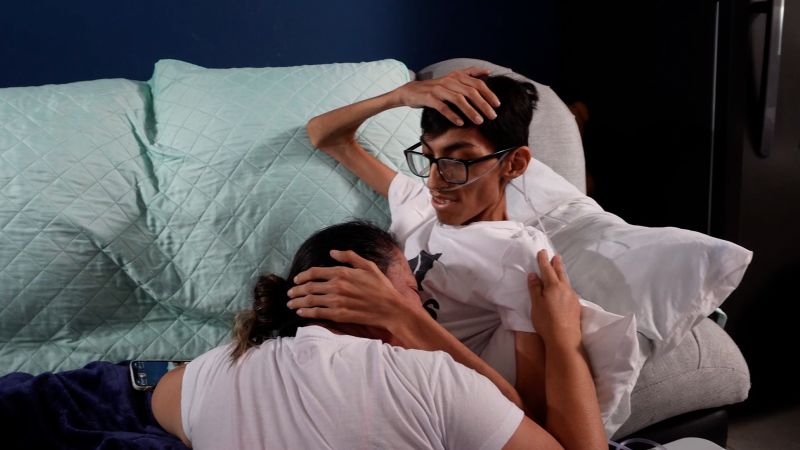
Parents released from Arizona DHS facility – Following a prolonged period of separation, the parents of 18-year-old Kevin González, an American citizen battling terminal colon cancer, were finally able to embrace their son in Durango, Mexico, just one day after being released from a Department of Homeland Security detention facility in Arizona. The emotional reunion took place Saturday evening, as the couple, Isidoro González Avilés and Norma Anabel Ramírez Amaya, arrived in the northwest Mexican state to be with their son, who had flown there from Chicago in the hope of spending his final days with family.
A Family’s Desperate Bid for Reunion
Kevin, who was born in the United States but raised in Mexico, became ill during a visit to his family in Chicago over the holiday season, as reported by CNN affiliate WLS. Diagnosed with stage 4 colon cancer, his condition has progressed rapidly, prompting his parents to take drastic measures to return to his side. After previous deportations from the U.S., the couple attempted to reenter the country in April, according to WLS. They were arrested near Douglas, Arizona, on April 14 and spent weeks in detention before being deported to Mexico. The Department of Homeland Security (DHS) cited their history of unlawful entries as the reason for the visa denial, stating they had applied for B1/B2 temporary nonimmigrant visas but were rejected due to prior deportations.
The couple’s journey to reunite with Kevin has been fraught with obstacles. Avilés, who had been detained multiple times in the past, described his experience in a recent interview. “They treated us like criminals,” he said, recalling the harsh conditions of their imprisonment. “We were chained at the hands and feet during court appearances.” Despite these challenges, the parents remained resolute in their efforts to see their son again. Their resolve culminated in a court order for release, issued by a U.S. district judge in Tucson on Thursday morning. This decision marked the end of their detention and allowed them to finally cross borders and reunite.
Quotes from the Reunited Family
“Thank you for giving us the opportunity to be with him again, to love him and give him the care we couldn’t provide during his absence,” said Avilés, his voice trembling as he spoke in Durango. He also shared a tattoo of his son’s name and the patron saint of lost causes, Saint Jude, as a symbol of hope during their time apart. “Kevin is very strong,” he added, emphasizing his belief in his son’s ability to overcome the illness. “I have a lot of faith in him, and I know he will heal from this and many more challenges.”
Amaya, overcome with emotion, wept as she held her son. “These tears are from joy, from the comfort of seeing him again, and from the reassurance of touching him once more,” she said. “I want to tell him how much I love him, how much I miss him, and how grateful I am for this moment.”
Kevin, in a poignant gesture, chose to celebrate Mother’s Day on Sunday by showering his mother with affection. “I’ll give her lots of hugs, over and over,” he said, a testament to the bond that has endured despite the physical separation. His father, however, noted the emotional toll of the ordeal. “We sought every possible option,” Avilés explained. “But they denied us visas, detained us at the border, and made us wait for this chance to be with him.” The couple’s story highlights the personal cost of immigration policies that prioritize enforcement over family unity.
Legal Context and Policy Criticism
DHS provided details about the couple’s immigration history, stating that Avilés had been arrested multiple times for various offenses, ranging from minor infractions to more serious crimes. He was deported in 2011, and his wife, Norma Anabel Ramírez Amaya, had also entered the U.S. unlawfully in 2005 before being sent back to Mexico. Despite their efforts to secure humanitarian visas, the agency denied their requests, citing their previous unlawful presence as a barrier to entry.
Their case has sparked broader discussions about the impact of deportation policies on families. Rep. Delia Ramirez, who represents the district where Kevin is receiving treatment in Chicago, voiced her support for the family in a statement. “Rejecting visas for Kevin’s family didn’t protect our communities,” she argued. “Detaining immigrants for months in for-profit facilities is inhumane and doesn’t make our loved ones safer.” Ramirez criticized the DHS for its approach, which she believes separates families at a time when they need to be together the most.
Broader Implications of the Detention
Kevin’s illness adds a layer of urgency to his parents’ struggle, as the terminal diagnosis has made every moment with his family precious. The couple’s ability to reunite after months of separation has been a turning point, but their experience underscores the challenges faced by many immigrants seeking to reunite with loved ones in the U.S. Their story has become a symbol of the emotional and logistical hurdles that families endure when immigration enforcement intervenes.
The parents’ journey from Arizona to Durango has been marked by a mix of resilience and sorrow. After being released from detention, they traveled by bus to be with their son, a trip that symbolized both the end of their separation and the beginning of a new chapter. Avilés described the emotional weight of the reunion, calling it a “dream come true.” He also reflected on the broader implications of their situation, noting that their struggles are part of a larger pattern of immigration enforcement that often overlooks the human cost of its policies.
Kevin’s case has also drawn attention to the importance of family in times of crisis. His mother, who had been separated from him for months, expressed her relief at finally being able to hold him. “This moment is everything,” she said. “I’ve spent weeks in limbo, waiting for the chance to be here with him.” The parents’ efforts to secure a reunion have not only highlighted their love but also raised questions about the fairness of the visa process and the role of immigration authorities in prioritizing detention over compassion.
As Kevin continues his treatment in Mexico, the family now faces a new reality. While they are reunited, the long-term prognosis remains uncertain. Their story, however, has become a powerful reminder of the need for policy changes that balance immigration enforcement with the protection of family ties. For Avilés and Amaya, the reunion is a victory, but it also serves as a testament to the strength of their bond and the lengths they went to ensure their son’s final days are filled with love and support.
Ever Hernandez and CNN reporters José Álvarez, Graham Hurley, and Sarah Dewberry contributed to this report. The case of Kevin González and his parents has sparked renewed calls for empathy in immigration enforcement, emphasizing the importance of allowing families to come together even in the face of legal challenges.





