Meet the offenders cleaning canals in the West Midlands as an alternative to prison

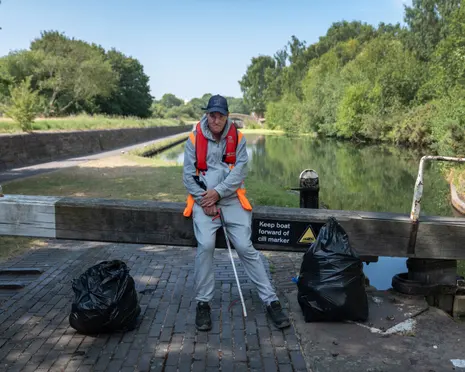
Table of Contents
Canal Clean-Up: A New Path for Offenders Amid UK Prison Crisis
Wanderstayfinder.com – The United Kingdom’s penal system faces mounting pressure as overcrowded facilities strain resources and public confidence wavers. In response, regional authorities are piloting innovative approaches that keep offenders engaged with their communities rather than behind bars. One such initiative in the West Midlands has transformed canal towpaths into spaces for rehabilitation, offering convicted individuals a meaningful alternative to traditional custodial sentences.
Working Along the Waterways
Last month, participants gathered at Smethwick’s canal network under warm morning conditions, temperatures already climbing toward thirty degrees Celsius. Armed with strimmers, nets, and black refuse bags, these individuals spent their day removing overgrown vegetation, collecting discarded bottles and plastic waste, and restoring the natural beauty of their local environment.
The project operates within the broader community payback framework, which accumulated approximately five million hours of work across England and Wales during the previous year. While not appropriate for every offender, the scheme accommodates diverse adult offenses and frequently supplements suspended sentences. The recently enacted Sentencing Act, granted royal assent in January, establishes a presumption that courts should suspend short prison terms of twelve months or less, potentially directing more offenders toward community-based rehabilitation.
Personal Transformation Through Service
Among those working along the towpath was Steve Warmer, a fifty-four-year-old factory worker from Dudley managing a painful hip condition. Recently convicted of an offense carrying potential penalties ranging from fines to six months imprisonment, Warmer had already completed 126 of his required 250 hours.
“I actually enjoy this work,” Warmer explained. “It gives me knowledge of life and other people.”
Warmer described himself as the last surviving member of his original friend group, a circumstance that has shaped his perspective on second chances. He and his wife now regularly litter-pick along their own street, extending the rehabilitation beyond official hours.
Structured Accountability
Courts may mandate between forty and three hundred hours of community service, with completion deadlines varying by case. Unemployed offenders typically work up to twenty-eight hours weekly across three or four days, while those maintaining employment have schedules adjusted around their professional commitments. Non-compliance without valid justification can trigger enforcement proceedings and potential return to court.
The physical demands proved considerable during the Guardian’s visit, with participants requiring frequent water breaks as afternoon temperatures intensified. Despite the heat, the atmosphere remained productive, with some offenders using nets to extract thick green duckweed while others focused on clearing the towpath of beer cans, plastic bags, and other debris.
A Different Kind of Leadership
Mo Ghatnoor, the project supervisor present that day, brings a unique background to her role. After spending a decade as a corporate banker, she transitioned to community work, now responsible for transporting both offenders and equipment to the site.
“This is 100% more fulfilling,” Ghatnoor stated. “I used to help businesses with profit but I was just a voice on the phone. Here I make a difference in the heart of my own community. I help my own mental health and that of others, the community and individuals.”
Measuring Success
Community payback encompasses various activities beyond canal maintenance, including graffiti removal, public building decoration, and tree planting. Any organization may nominate projects for participation, provided they serve local interests, do not displace paid employment, and generate no commercial profit.
Recent data reveals compelling evidence for community-based approaches. Statistics covering July through September 2024 demonstrated that adults released from custody with sentences under twelve months exhibited a reoffending rate of 68.2 percent, substantially higher than the 22.9 percent rate observed among those serving twelve months or longer.
While some critics characterize community payback as lenient sentencing, Ghatnoor emphasizes its structural benefits. “We look at the individual to whom it gives a structure to their life,” she noted. “It often breaks a negative cycle and changes their mindset, and therefore brings reoffending down.”
As the Sentencing Act takes fuller effect, burglars, shoplifters, and assault offenders will increasingly find themselves contributing to communities rather than occupying prison cells. The Smethwick project represents just one facet of a broader movement toward rehabilitation-focused justice, where offenders rebuild their lives through meaningful service while simultaneously restoring the spaces they inhabit.
Related Reading
Frequently Asked Questions
What is Meet the offenders cleaning canals?
Meet the offenders cleaning canals is the main topic of this guide. The article explains the context, practical details, and next steps readers should understand.
Why does Meet the offenders cleaning canals matter?
Meet the offenders cleaning canals matters because readers are looking for a useful answer, not just a short summary. Good content should match search intent and help them decide what to do next.