July’s heatwaves kept UK shoppers away from high street

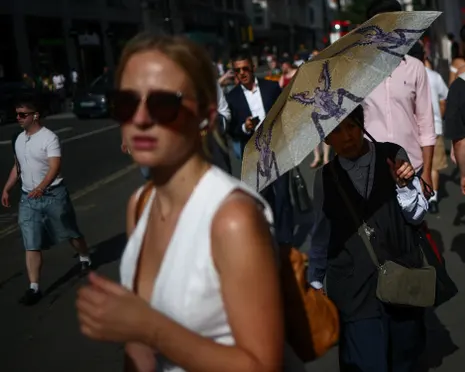
Table of Contents
Extreme Summer Temperatures Reshape UK Retail Landscape
Wanderstayfinder.com – Unseasonably hot conditions throughout July fundamentally altered consumer behavior across Britain, with record-breaking temperatures driving shoppers away from traditional high street destinations. As mercury levels climbed into the mid-30s Celsius in several regions, a significant portion of the population chose digital alternatives over physical shopping trips, fundamentally shifting retail dynamics during what proved to be one of the hottest months on record.
Footfall Declines Across Traditional Retail Spaces
Comprehensive monitoring data revealed that high street visits dropped by 3.8 percent compared to the same period last year, following an even steeper 6.2 percent decline in June. The research, compiled by Sensormatic on behalf of the British Retail Consortium, painted a picture of consumers seeking refuge from the heat while still maintaining their purchasing habits through alternative channels.
While shopping centres experienced visitor reductions, retail parks demonstrated resilience by returning to positive growth trajectories. When examining all shopping destinations collectively, the aggregate figure showed a 2.1 percent decrease in footfall compared to July of the previous year, indicating that while consumers were still shopping, they were doing so in different locations and through different methods.
Regional Variations in Consumer Response
The capital city bore the brunt of the heatwave’s impact on retail activity. London recorded a 5.3 percent reduction in shoppers last month, significantly outpacing the 3 percent decline observed across England as a whole. Helen Dickinson, chief executive of the British Retail Consortium, provided crucial context for these figures: “London was hit particularly hard as soaring temperatures made tube and train travel less attractive, with some commuters and shoppers opting to stay home.”
Conversely, regions with less intense weather conditions experienced positive outcomes. Scotland saw a 2.7 percent increase in shopping activity, while Northern Ireland recorded growth of 2.5 percent. Wales maintained flat footfall levels, suggesting that moderate temperatures allowed for normal shopping patterns to continue without disruption.
“The heatwave continued to bear down on retail footfall in July, with high streets worst affected.”
Climate Change and Retail Adaptation
Dickinson emphasized that these patterns reflect broader environmental trends: “Climate change continues to deliver more and more extreme temperatures in the UK.” Retailers are responding to this reality through dual strategies of mitigation and sustainability. Investments in air conditioning systems and more efficient refrigeration units represent immediate responses to consumer comfort needs, while parallel initiatives targeting carbon emission reductions address longer-term environmental obligations.
However, the current business rates framework presents challenges for retailers making these necessary investments. Dickinson noted that “business rates often punish stores for such investments, showing the need for government to look again at this broken system.” This criticism highlights how existing taxation structures may inadvertently discourage the very adaptations retailers need to survive and thrive in a changing climate.
Corporate Performance During the Heatwave
On Wednesday, fashion and homewares retailer Next demonstrated how companies could capitalize on extreme weather conditions. The company upgraded its profit guidance for the third time this year, citing benefits from sunny weather patterns and the release of pent-up demand in Middle Eastern and northern European markets during the thirteen weeks ending August 1.
Next’s growth trajectory was driven by its diverse portfolio of brands, including Gap, Reiss, and Joules, alongside robust online sales performance. Interestingly, while digital channels thrived, physical store trading experienced some faltering during the most sweltering periods, illustrating the complex relationship between weather conditions and different retail formats.
Winners and Losers in Summer Retail
Industry analysis suggests fashion retailers, supermarkets, and technology sellers will emerge as clear beneficiaries of the summer heat. Consumer spending patterns shifted toward cold food and beverages, fans, and air conditioning units as people sought relief from rising temperatures. These sectors benefited from both immediate weather-related purchases and the broader trend of consumers staying home and shopping online.
Conversely, furniture retailers and garden plant sellers face headwinds. The furniture sector continues to struggle under the weight of cost-of-living pressures and a sluggish housing market, while garden centers experienced reduced activity as extreme heat and dry conditions discouraged outdoor planting activities. This divergence in fortunes underscores how climate extremes create both opportunities and challenges across different retail segments.
As the UK continues to experience increasingly volatile weather patterns, retailers must balance immediate operational adaptations with longer-term strategic positioning. The July heatwave serves as a microcosm of broader challenges and opportunities that will define the retail sector’s evolution in the coming years, requiring flexibility, innovation, and potentially significant policy changes to support businesses navigating this new reality.
Related Reading
Frequently Asked Questions
What is July s heatwaves kept UK shoppers?
July s heatwaves kept UK shoppers is the main topic of this guide. The article explains the context, practical details, and next steps readers should understand.
Why does July s heatwaves kept UK shoppers matter?
July s heatwaves kept UK shoppers matters because readers are looking for a useful answer, not just a short summary. Good content should match search intent and help them decide what to do next.