Can humans hibernate their way to Mars – “`html
Could Human Hibernation Unlock the Secrets of Deep-Space Exploration?
Extended journeys through the cosmos present numerous health challenges for human travelers. The vacuum of space bombards astronauts with intense radiation levels that can cause serious cellular damage. Prolonged time in microgravity environments weakens skeletal structures, degrades muscle tissue, and impairs vision. Furthermore, spending months or even years confined within limited quarters creates substantial psychological strain. Fortunately, researchers have identified an ancient biological mechanism—dating back approximately 250 million years—that enables various creatures to endure extreme resource shortages by essentially powering down their systems.
The Ancient Solution to Modern Space Problems
During hibernation, animals dramatically reduce their metabolic processes. They cease eating and drinking while remaining completely motionless. Perhaps most remarkably, they experience neither hunger nor thirst during this dormant period, and appear unaffected by cold temperatures. This extraordinary capability might represent the breakthrough humanity needs for reaching Mars and exploring even more distant destinations. Additionally, this physiological adaptation could revolutionize medical treatments on our home planet.
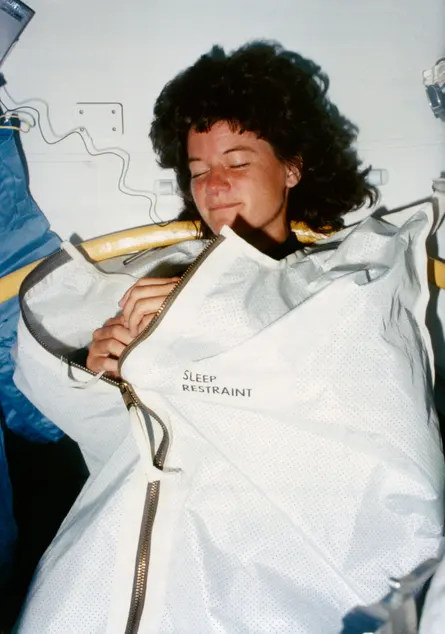
Scientific investigations reveal that hibernation provides protection against multiple spaceflight hazards. Radiation damage becomes significantly less severe when metabolic activity decreases. Bone density loss and muscle atrophy slow considerably during these extended rest periods. Placing crew members into prolonged unconsciousness also minimizes the psychological burden of confined living spaces. Furthermore, dramatically reduced nutritional requirements mean missions require less cargo capacity, potentially shortening travel durations for both outbound and return journeys.
Overcoming Human Biological Limitations
Humans lack the natural evolutionary programming that allows squirrels, bears, bats, and numerous other species to dramatically lower their metabolic rates when resources become limited. A worldwide network of scientists is now developing methods to safely trigger hibernation-like states in people. Several research teams receive financial support from both the European Space Agency and NASA as they investigate how hibernating creatures power down their systems without suffering negative consequences from months without nourishment, hydration, or physical movement.
“This is a very promising area,” explains Christiane Hahn, who manages space biology research at the European Space Agency. “It could absolutely transform the future of space travel.”
Radiation: The Invisible Threat
Earth’s atmosphere shields us from most cosmic radiation, but spacecraft traveling beyond low orbit lack this protective barrier. Throughout extended missions, astronauts face continuous exposure to harmful ionizing particles. These energetic particles can become trapped inside spacecraft structures, creating additional damage to crew members over time.
“Protecting humans from radiation in space is very challenging,” Hahn notes. “We haven’t yet found an effective shield.”
Studies demonstrate that hibernation offers substantial protection against radiation injury. Animals during hibernation reduce oxygen consumption, decrease metabolic activity, and compact their DNA strands tightly—all mechanisms that minimize radiation damage. Additionally, hibernating creatures possess powerful DNA repair systems that function continuously even during dormancy.
Learning from Nature’s Experts
Elena Gracheva, a physiologist at Yale University, leads research on a colony of thirteen-lined ground squirrels. These rodents earned their distinctive name from the thirteen stripes running along their bodies. Native to regions across the midwestern United States and Canada, they serve as excellent models for understanding hibernation biology.
“These animals are like us during the summer, but in winter they become completely different organisms,” Gracheva observes. “Their heart rate drops to one beat every several minutes, and their body temperature goes to 4C [39F], which is the temperature in a refrigerator. Yet they’re still alive.”
Gracheva’s team maintains these squirrels in a specialized facility called a hibernaculum, which replicates their natural environment. Her research focuses on how these creatures survive without drinking water for up to eight months. Even when water is available, hibernating squirrels refuse to drink. She discovered that the subfornical organ—a brain region—appears to control this process. Additionally, she identified a specific molecule that eliminates thirst when introduced into this brain area. Importantly, this same brain structure exists in humans and other non-hibernating species.
Engineering Human Synthetic Torpor
Scientists are now investigating various approaches to modify human physiology so we can access similar benefits. Current experiments involve pharmaceutical compounds, ultrasound technology, and alternative methods designed to induce what researchers call synthetic torpor. While these terms frequently appear interchangeably in scientific literature, experts distinguish between them: torpor represents a brief dormant state lasting from several hours up to one day, whereas hibernation extends over much longer periods spanning weeks or months.
As research progresses, the convergence of space exploration needs and biological discoveries creates unprecedented opportunities. Whether humanity ultimately achieves sustainable Mars colonization or develops revolutionary medical treatments on Earth, the ancient wisdom encoded in hibernating animals may well illuminate our path forward among the stars.
“`