Humpbacks return to Rio: the whales are back from the brink of extinction – but will tourism help or hinder?

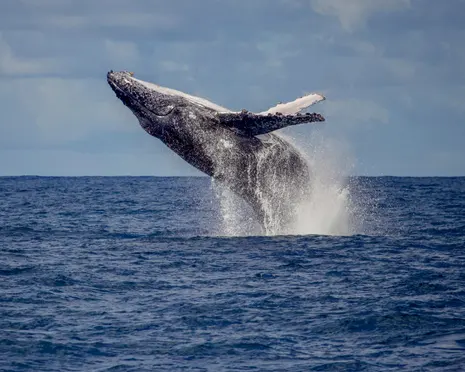
Table of Contents
Whales Return to Rio: A Conservation Triumph Faces Tourism’s Double Edge
Wanderstayfinder.com – The waters surrounding Rio de Janeiro are once again alive with the presence of humpback whales, marking a remarkable ecological recovery that has transformed the city’s coastal landscape. What was once a rare spectacle has become a regular occurrence during the southern hemisphere’s winter months, drawing visitors and locals alike to witness these magnificent creatures in their natural habitat.
A Morning of Wonder on the Water
Passengers aboard the Boaventura II yacht experience this phenomenon firsthand as the vessel departs from Rio at dawn. Beyond the Cagarras Islands—rocky formations situated merely three miles from the famous Ipanema beach—excitement builds among the group as they scan the ocean horizon. Bottlenose dolphins soon appear, leaping playfully through the waves, followed by the unmistakable sight of two humpback whales breaching the surface.
The whales surface with a leisurely exhale before submerging, their massive flukes revealing their undersides as they dive. For many aboard, this represents a once-in-a-lifetime encounter, set against Rio’s dramatic backdrop of mountains draped in tropical vegetation.
“You can’t put a price on this show. It’s pure magic,” says the yacht’s skipper, Theo Andrade, co-founder of the tour agency ROC Sail.
Andrade, who previously conducted whale-watching expeditions at breeding grounds further north, launched his Rio operations this year. His enthusiasm reflects a broader sentiment among passengers like Luciane dos Santos, a 53-year-old drinks wholesaler who carved out time from her demanding schedule for this experience.
“I’m amazed at how a 50-tonne animal can perform such a beautiful leap that leaves everyone spellbound,” she says.
After spending a morning observing six humpbacks performing what she described as an aquatic ballet, dos Santos expressed her gratitude for the encounter.
“I feel a sense of fullness – it’s truly a gift from nature,” says Dos Santos.
From Near Extinction to Abundance
Humpback whales have historically migrated along Brazil’s coastline between June and November, traveling from feeding grounds near South Georgia and the Sandwich Islands in the South Atlantic to the warmer, shallower waters of the Abrolhos Bank off Brazil’s northeastern coast for breeding purposes.
However, this migration pattern was nearly disrupted by centuries of hunting. The artist Leandro Joaquim documented scenes of whales being pursued and harpooned in Guanabara Bay as early as 1780. By the time international commercial whaling regulations took effect in 1986, the population had been severely depleted.
“At the end of the 1980s, fewer than 1,000 individuals were counted in this Brazilian group. Today, there are nearly 30,000,” says Thiago Ferrari, director of the Amigos da Jubarte (Friends of the Humpback) conservation project.
Alternative estimates suggest the population may reach as high as 35,000 individuals. While Brazilian waters host multiple whale species—including the southern right whale, believed to be the species portrayed in Joaquim’s historical paintings, and Bryde’s whale—the 15-meter humpback remains the undisputed highlight.
“The 15-metre-long humpback is, however, ‘the star of the show’ due to its acrobatic performances,” says Ferrari.
New Behaviors, New Discoveries
Liliane Lodi, a marine biologist with the Ilhas do Rio research project, has been tracking whale activity in Rio’s waters since the first humpback was recorded there in 2014. The frequency of sightings has increased dramatically since that initial observation, accompanied by the documentation of previously unrecorded behaviors.
“Rio de Janeiro is an area of passage; it’s a migration route,” she says of humpbacks. “However, we have already registered behaviour that is typical of breeding grounds, rather than passage areas.”
These behaviors include the presence of newborn calves, male competitive displays, and recordings of distinctive whale songs. This year, Lodi has been specifically studying a juvenile whale that has been repeatedly observed within Guanabara Bay since mid-June, delighting early morning canoeists with its presence.
“It’s very sociable when it wants to be,” says Lodi, who has enlisted citizen scientists to help monitor the animal’s movements and behaviors.
Tourism as a Conservation Tool
The growing whale-watching industry in Rio represents more than just economic opportunity. Advocates argue that the integration of tourism with scientific research creates a powerful conservation mechanism while generating winter revenue for local communities.
Mariana Bueno, an environmental sciences student employed by ROC Sail, accompanies each whale-watching excursion on the Boaventura II. She emphasizes the synergistic relationship between these sectors.
“When you combine tourism and research,” she explains, highlighting how visitor fees help fund ongoing monitoring efforts while tourists become inadvertent participants in scientific data collection.
The recent discovery of at least 18 humpback sightings within Rio’s waters—some within Guanabara Bay itself—has reignited discussions about whether these whales are returning to territories they occupied centuries before European colonization. This potential reoccupation of historical ranges adds another layer of significance to the conservation efforts underway.
As tourism continues to expand, the challenge lies in balancing economic benefits with environmental protection. The whales’ return offers both an opportunity and a responsibility: to ensure that the very industry celebrating their recovery does not contribute to their future decline. The coming years will reveal whether Rio’s whale-watching sector can serve as a model for sustainable marine tourism worldwide.
Related Reading
Frequently Asked Questions
What is Humpbacks return to Rio?
Humpbacks return to Rio is the main topic of this guide. The article explains the context, practical details, and next steps readers should understand.
Why does Humpbacks return to Rio matter?
Humpbacks return to Rio matters because readers are looking for a useful answer, not just a short summary. Good content should match search intent and help them decide what to do next.