Adapting to the Heat: Four Ideas from European Cities
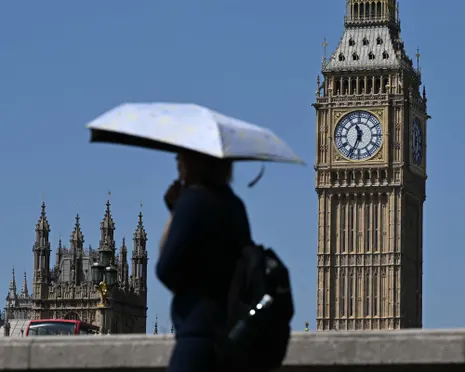
Adapting to the heat – This week, Europe has been gripped by relentless heatwaves, with the UK setting a new June temperature record for three consecutive days and France experiencing its hottest day and night on record. As global temperatures climb due to fossil fuel emissions, heatwaves are becoming more intense and prolonged, forcing cities to rethink traditional approaches to urban living. While some regions struggle with the rising heat, others have developed innovative strategies to protect residents, particularly the elderly, who are disproportionately affected by extreme heat. These measures offer a glimpse into how cities might prepare for an increasingly hotter future.
Community Check-In Systems
One of the most effective adaptations involves community-based check-in programs designed to monitor vulnerable individuals during heatwaves. In Paris, this initiative has been formalized as an official service, allowing residents with health issues or those over 60 to register for regular calls from authorities. Similarly, the DaneAge Association in Denmark has implemented a safety network that spans 170 of its 215 local branches. Originally a simple telephone relay system, the program evolved into “telephone stars,” where volunteers take turns contacting older adults living alone. Over 1,700 participants are involved in this effort, ensuring that people receive brief welfare checks in confidential conversations. Beyond monitoring health, the scheme also encourages the public to assist neighbors with errands, hydration reminders, and other small acts of care, creating a community-driven response to heat stress.
Repurposed Public Spaces as Cooling Hubs
European cities are also transforming public buildings into climate-friendly cooling centers. Barcelona, a leader in urban innovation, has pioneered this approach by converting schools, museums, and libraries into temporary shelters during heatwaves. Since 2020, the number of such facilities has grown to over 400, with many located within a 10-minute walk of vulnerable residents. A study published in September revealed that 90% of elderly citizens in the city live near these centers, though this drops to 75% in August when temperatures peak. Advocates argue that these spaces require minimal investment—like adjusting operating hours and training staff—to provide life-saving relief. For instance, a single cooling center can serve as a hub for hydration, rest, and access to basic amenities, reducing the risk of heat-related illnesses for those without air conditioning at home.
While air conditioning is vital in healthcare settings, experts emphasize the importance of preventing heat from entering buildings in the first place. In southern Europe, where heatwaves are more frequent, architectural designs have long prioritized shade. Techniques such as white-painted walls, roof coverings, and external shutters help mitigate the sun’s intensity. Now, northern European cities like Amsterdam are adopting these strategies. This week, the city’s heat officer recommended hanging sheets outside windows using extendable rods, a simple yet effective way to lower indoor temperatures. The advice, shared in a viral social media post, highlighted how everyday solutions can make a significant difference. “Does it work? Yes,” the officer said, underscoring the adaptability of traditional methods in modern urban contexts.
Urban Design for Heat Resilience
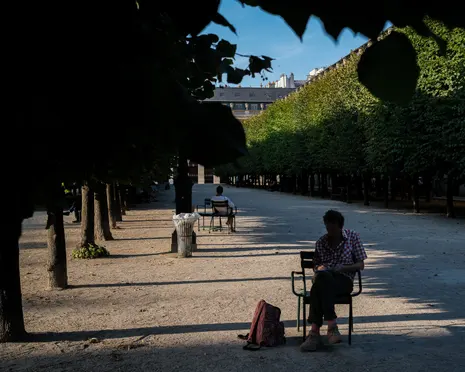
Designing cities to withstand heat is another key strategy. Narrow streets, thick-walled courtyards, and the presence of trees and fountains help create microclimates that cool surrounding areas. These elements, often overlooked in dense urban environments, can reduce the urban heat island effect caused by concrete and tarmac. In addition, “shading sails” made of fabric are being installed over streets to block direct sunlight, providing relief for pedestrians and vehicles. However, the challenge remains in integrating these features into older infrastructure. For example, Paris has faced unique difficulties due to its zinc roofs, which retain heat more effectively than traditional materials. This has prompted the city to explore new materials and design adjustments to combat the rising temperatures.
Heat management also extends to behavioral changes. In southern Europe, businesses often close during peak temperatures, shifting to evening hours to avoid the worst of the heat. In contrast, northern cities have been slower to adopt similar practices, though this is beginning to change. As temperatures soar, the disparity between regions highlights the need for coordinated efforts. Cities that incorporate shading and cooling elements into their planning are better positioned to protect residents, particularly during critical periods when heatwaves strike. The success of these initiatives depends on both infrastructure and community engagement, ensuring that no one is left in the sun without support.
Looking Ahead: A Blueprint for Adaptation
As heatwaves become more frequent and severe, European cities are proving that adaptation is possible. From check-in services to repurposed public spaces, these measures demonstrate a commitment to resilience. The DaneAge Association’s model, which has been in place for over three decades, shows how grassroots efforts can evolve into institutionalized care. Meanwhile, Barcelona’s expansion of cooling centers underscores the importance of accessibility in emergency planning. Experts warn that without such proactive steps, the consequences could be dire. With urban temperatures potentially rising by 2-3C during heat events, the need for innovative solutions is urgent. By combining architectural adjustments, community support, and policy changes, cities may offer a blueprint for adapting to the heat in a world that is becoming increasingly unpredictable.
The fight against extreme heat is not just about technology or policy—it’s about creating spaces where people can thrive despite the climate crisis. As the heat intensifies, these strategies will likely grow in importance, setting a standard for other regions to follow. Whether through simple acts of kindness or reimagined urban landscapes, the response to rising temperatures is shaping a new era of resilience. The question now is how quickly the rest of the world can adopt these lessons before the heat becomes too much to handle.