
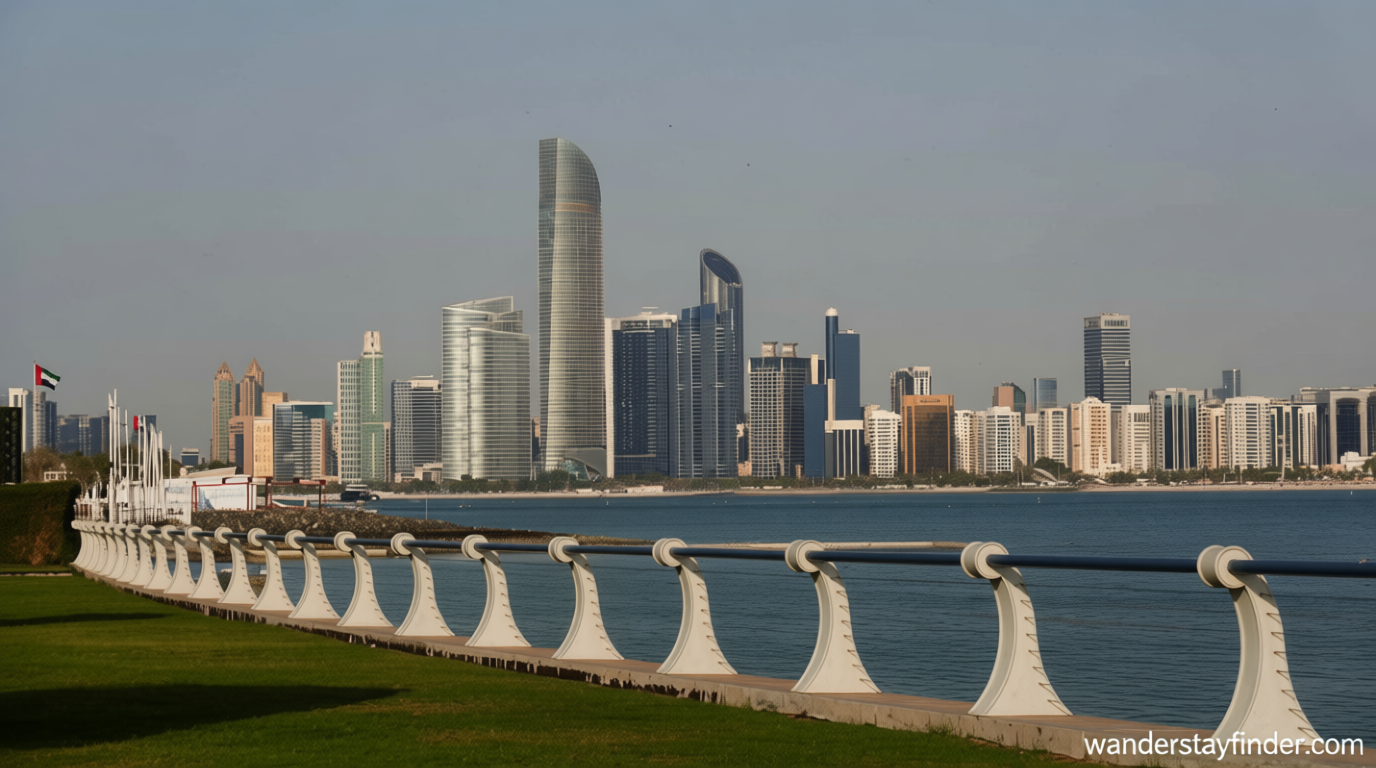
Abu Dhabi’s Bold Move in Tourism Amid Regional Tensions
Abu Dhabi is doubling down on tourism – Despite the escalating Iran conflict, Abu Dhabi remains steadfast in its efforts to bolster the tourism sector. The city, a key hub in the United Arab Emirates (UAE), has faced direct challenges from missile and drone attacks, which have cast shadows over its reputation as a premier Middle Eastern destination. However, officials are confident that the emirate’s strategic investments will sustain its position as a glamorous tourist spot. On May 14, Abu Dhabi unveiled a major initiative, allocating $1.7 billion to construct an immersive experience center known as Sphere. This project, spearheaded by US-based Sphere Entertainment Co, aims to enhance the city’s appeal through cutting-edge attractions and events.
The Sphere venue, which will open in 2029, is expected to draw international attention and elevate the emirate’s status in the global tourism landscape. The first Sphere location in Las Vegas, operational since 2023, has already showcased performances by high-profile acts like U2 and Phish, proving the concept’s potential. Abu Dhabi’s Department of Culture and Tourism (DCT) chairman, Mohamed Khalifa Al Mubarak, emphasized the city’s commitment to its tourism ecosystem. “We are doubling down on our tourism ecosystem as a whole,” he stated during the announcement, highlighting the emirate’s resilience amid the conflict.
“Sphere Abu Dhabi will establish Yas Island as a destination in the region for immersive experiences, and we look forward to working with DCT Abu Dhabi to see this venue come to life.” — James L. Dolan, CEO of Sphere Entertainment Co
Abu Dhabi’s push for tourism is part of a broader economic strategy to reduce reliance on oil. The city has already invested significantly in cultural landmarks, including the Saadiyat Island Cultural District. This district, which hosts the Louvre Abu Dhabi and a soon-to-open branch of the Guggenheim Museum, represents a fusion of global art and local heritage. These projects, along with others, have been central to attracting both domestic and international visitors. In 2025, the emirate welcomed 26.6 million tourists and 5.9 million hotel guests, according to its tourism agency. By 2030, the goal is to surpass 39.3 million annual visitors, with the tourism sector contributing AED90 billion ($24.5 billion) to the economy.
Yet, the war has disrupted travel patterns. Drone strikes and missile attacks have targeted critical infrastructure, including airports, raising concerns about safety. A recent incident near a nuclear facility underscored these risks, as the International Atomic Energy Agency noted the event threatened nuclear safety. While no radioactive material was released and public safety was not compromised, the attack highlighted the vulnerability of Abu Dhabi’s tourism-focused infrastructure. Hotel occupancy rates, for example, dropped by 45% during the Eid al-Fitr holiday in mid-March compared to the previous year, according to CoStar data. Flight cancellations also impacted visitor arrivals, with some airlines still hesitant to resume operations.
Despite these setbacks, Abu Dhabi’s tourism sector is showing signs of recovery. The emirate’s flagship airline, Etihad, has maintained an 80% operational capacity, suggesting a gradual return to normalcy. While air travel remains a key factor, Al Mubarak expressed optimism about international traveler confidence. “Regional tourism is really picking up right now,” he noted, signaling a positive shift in sentiment. However, the full impact of the conflict on tourism numbers remains uncertain, with experts cautioning that the duration of the war will influence recovery timelines.
“The perception of safety is crucial for tourists. The UAE will need to invest heavily in marketing and infrastructure to rebuild that trust.” — Aaron Goldring, Senior Tourism Economist at Oxford Economics
Abu Dhabi’s tourism strategy has been a long-term endeavor. The Abu Dhabi Tourism Strategy 2030, launched in 2024, outlines billions in spending to develop new attractions and refine visitor experiences. The Sphere project, which was first announced in October 2024, exemplifies this vision. Other major developments, such as the Guggenheim Museum in the Saadiyat Island Cultural District, continue to progress despite the ongoing disruptions. The museum’s anticipated opening underscores the city’s dedication to creating a world-class cultural hub.
Experts like Nancy Gard McGehee, a professor of hospitality and tourism management at Virginia Tech, argue that the conflict may not derail Abu Dhabi’s long-term tourism ambitions. “It’s a long game for the UAE and other Middle Eastern destinations,” she explained. “They are a wealthy country with a sophisticated strategy that allows them to weather short-term challenges.” This perspective aligns with Al Mubarak’s assertion that Abu Dhabi’s commitment to tourism is unwavering. “Abu Dhabi is open, ambitious, and unwavering in its direction,” he said in a press release, reinforcing the city’s resolve.
While the immediate effects of the war are evident, the broader implications for Abu Dhabi’s tourism industry remain a topic of discussion. The emirate’s ability to attract visitors in the coming years will depend on its capacity to mitigate security concerns and maintain a strong economic foundation. With the Sphere project set to open in 2029 and existing attractions already drawing crowds, the city’s vision for a diversified economy appears to be on track. However, the recovery of air travel and the restoration of global confidence will be critical to achieving these targets.
Abu Dhabi’s tourism sector has also faced logistical hurdles, including fluctuating flight schedules. On February 27, 2026—the day before the war began—Zayed International Airport recorded 250 flights daily, according to Flightradar24. By the end of the week, this number had declined to around 200, reflecting the impact of the conflict on air traffic. Yet, the gradual easing of restrictions, with the UAE lifting airspace limitations in early May, signals a step toward normalcy. As airlines begin to reassess their routes, the city’s efforts to rebuild its tourism infrastructure may gain momentum.
In the face of adversity, Abu Dhabi’s tourism initiatives demonstrate a blend of ambition and pragmatism. The city’s leaders recognize the importance of maintaining a strong international image while adapting to current challenges. With the Saadiyat Island Cultural District and Sphere Entertainment Co’s projects as cornerstones of this vision, the emirate is positioning itself to remain a top destination even as regional tensions persist. The path forward may be fraught with obstacles, but the determination to create a vibrant tourism ecosystem remains a defining feature of Abu Dhabi’s strategy.





