
Talks Raise Hopes of Progress in Strike at America’s Busiest Commuter Railroad
Talks raise hopes of progress in strike as New York commuters face disruptions from the Long Island Rail Road (LIRR)’s labor halt. The nation’s most heavily used commuter rail system remains closed after a weekend walkout, but renewed negotiations have sparked cautious optimism. James Louis, vice president of the Brotherhood of Locomotive Engineers, told CNN,
“It’s much more promising today than it was yesterday.”
The strike, led by five unions, began after last-minute efforts to avoid it collapsed. With 250,000 daily riders impacted, local leaders and the MTA are closely monitoring the situation for signs of resolution.
Impact of Service Suspension
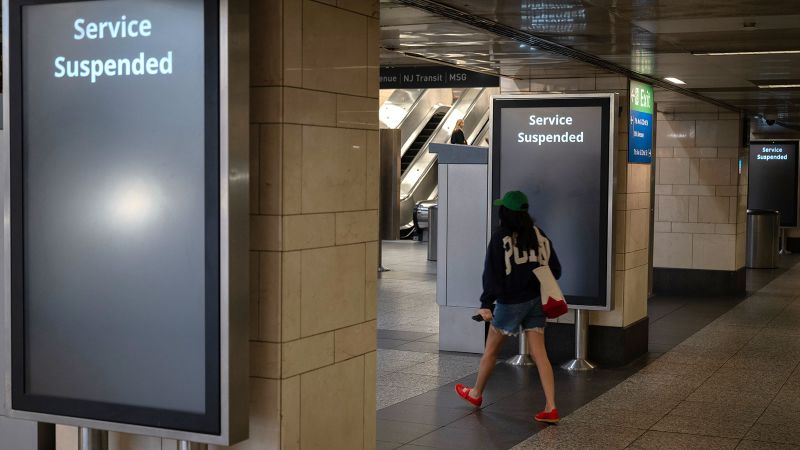
The LIRR’s shutdown has created major travel chaos for Long Island residents. This marks the first major strike at the railroad since 1994, underscoring the long-standing tensions between workers and management. Union members, including engineers, signalmen, and machinists, are pushing for better wages and improved working conditions. The MTA confirmed all 947 trains on the system are suspended, urging commuters to adjust their plans. With only 13,000 riders accommodated by morning shuttle buses, the alternative solutions are proving insufficient for the scale of disruption.
Commuters are scrambling to find alternatives, with some opting for ridesharing or early departures. Governor Kathy Hochul addressed the issue on X, stating,
“We have a plan in place to help essential workers get to the city and minimize disruptions as much as possible.”
However, the MTA warned that these buses would only cover a fraction of the usual capacity, leaving many stranded. The situation has intensified pressure on both sides to find a swift resolution, as prolonged service delays threaten economic activity and daily routines.
Union Demands and Management Stance
Union representatives continue to emphasize their demand for a 4-5% wage increase, a key point in the talks raising hopes of progress. The National Mediation Board, which oversees railroad and airline negotiations, played a critical role in recent discussions. According to Louis, union spokesperson, the board facilitated talks that stretched into Monday morning.
“The meetings continued until nearly 1:30 a.m. ET,” Louis said. “There was a lot of back-and-forth, but both sides are showing willingness to compromise.”
MTA CEO Janno Lieber echoed similar sentiments, telling WABC-7 that the talks had been “productive” and that progress was visible.
“I am cautiously optimistic,” Lieber added. “The folks are working hard. We are headed in a positive direction, but we have to get it finished.”
Despite this, the MTA has faced criticism for its delayed response. Hochul, who previously called the strike “reckless,” stressed the LIRR’s vital role in regional transportation. “Hundreds of thousands of riders depend on it every day,” she noted. “This strike hurts both the riders and the workers.”
While the strike has caused widespread delays, some flexibility may emerge if a deal is reached. If final approval is granted by Monday, train services could resume before Tuesday’s rush hour. Union members, however, might return to work earlier if they agree with the proposed terms, indicating a potential breakthrough. The outcome will depend on negotiations between the five unions and the MTA, with the public watching closely for signs of resolution.
Historical Context and Labor Trends
The current strike follows a pattern of unresolved disputes that have persisted for years. Union leaders claim the MTA rejected two federal proposals, forcing them to escalate the situation. “The MTA didn’t accept the outline of a deal endorsed by two different federal panels,” a union representative stated, highlighting the frustration over management’s stance. This demand for a raise is tied to the rising cost of living in New York, a key factor in the workers’ resolve to persist.
Despite the standoff, some rail personnel remain on duty, maintaining picket lines while adhering to the union’s decision. This dynamic reflects the broader challenges in labor negotiations, where different factions may have varying priorities. Talks raise hopes of progress suggest that while challenges remain, both sides are moving toward a possible agreement. The outcome could set a precedent for future labor disputes in the region, influencing how strikes are handled in critical transportation networks.





